
Steven Spielberg
Steven Spielberg: The Director Who Defined My Childhood
How Steven Spielberg Introduced Me to Cinema
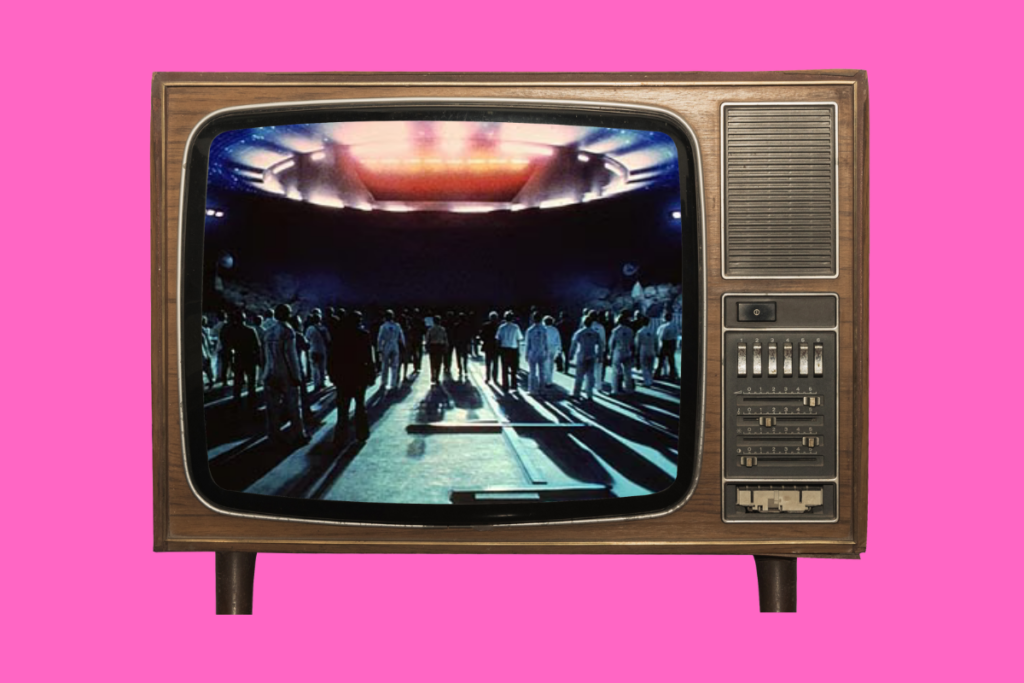
Like most kids who grew up in the 1980s, Steven Spielberg was probably the first director I knew by name. His films were everywhere. Jaws, Raiders of the Lost Ark, E.T. and Close Encounters of the Third Kind weren’t just movies; they were cultural events. Even before I understood what a film director actually did, I noticed that many of the films dominating playground conversations had the same name attached to them. Looking back, Steven Spielberg shaped the way I imagined cinema. His films felt bigger, more exciting and somehow more magical than anything else I was watching.
Jaws and the Birth of the Modern Blockbuster
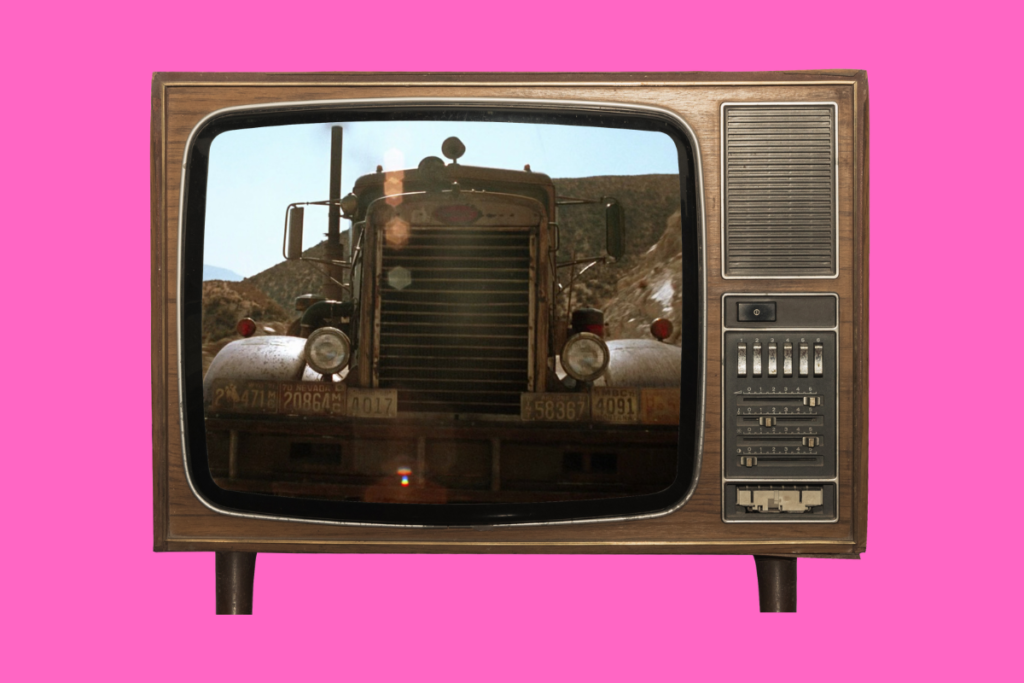
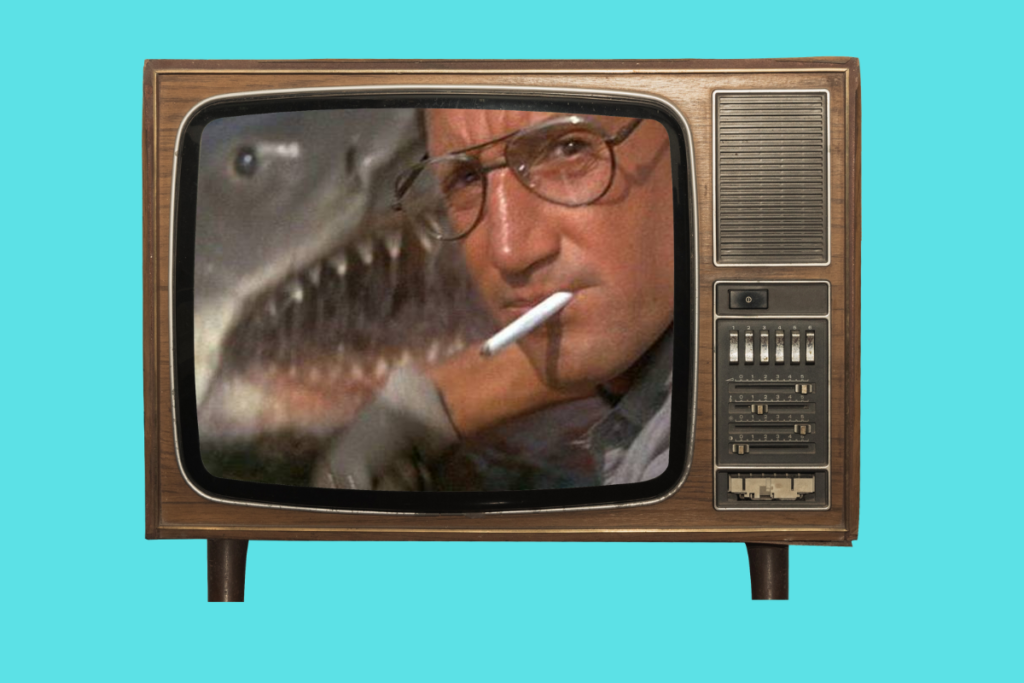
Although Spielberg had already impressed audiences with the brilliant road thriller Duel, it was Jaws that changed everything. Released in 1975, the film effectively invented the modern summer blockbuster. What makes Jaws so remarkable is that its greatest strength came from a production problem. The mechanical shark rarely worked, forcing Spielberg to rely on suspense, suggestion and John Williams’ iconic score. The result was a film that remains terrifying nearly fifty years later. It also established one of Spielberg’s greatest strengths: making audiences emotionally invested before delivering the spectacle.
Wonder, Adventure and Childhood Magic
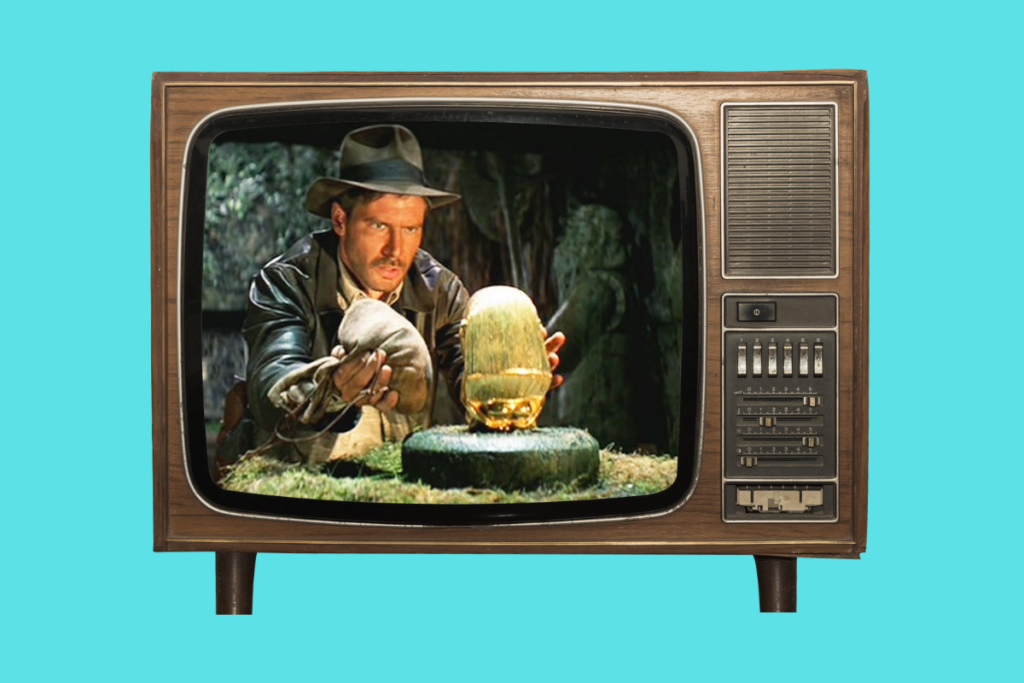
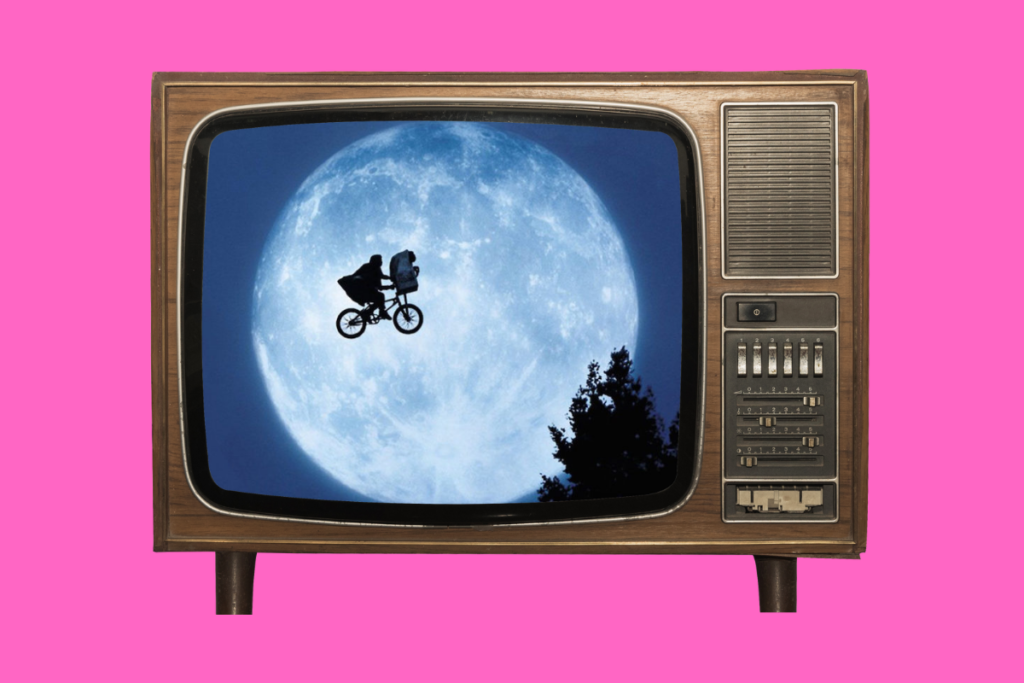
If Jaws made Spielberg a superstar, films like Close Encounters of the Third Kind, E.T. and Raiders of the Lost Ark cemented his place in cinema history. Spielberg has always understood wonder better than almost any filmmaker. E.T. remains one of the most emotionally affecting family films ever made because it treats childhood seriously. Meanwhile, Raiders of the Lost Ark is pure cinematic joy, blending action, humour and adventure with flawless pacing. These films demonstrate why Steven Spielberg became synonymous with blockbuster entertainment during the 1980s.
Steven Spielberg Beyond the Blockbuster
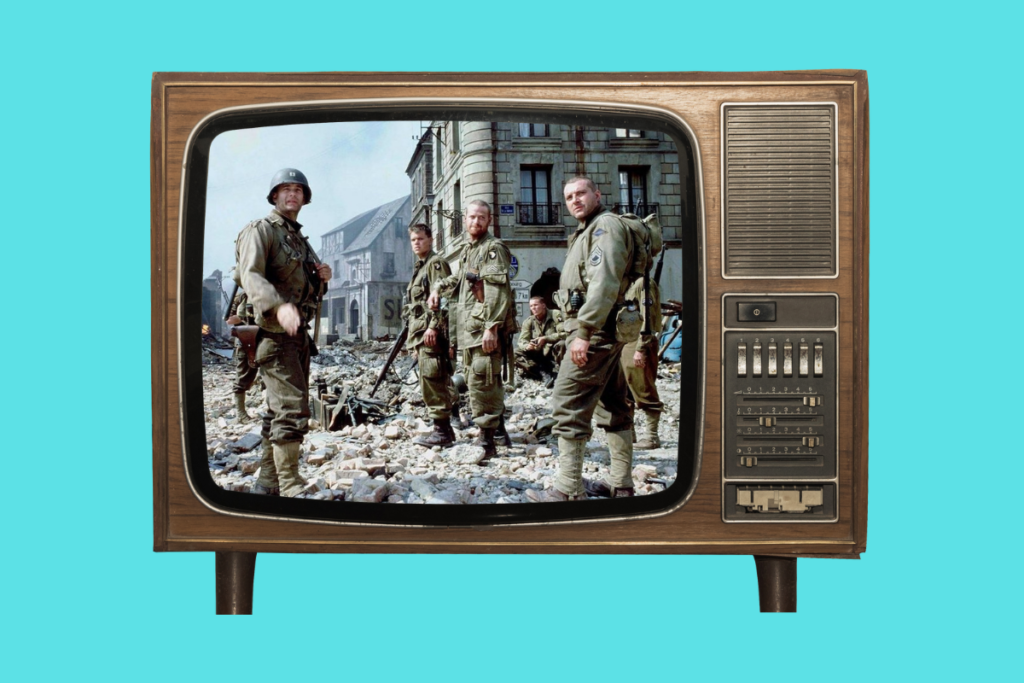
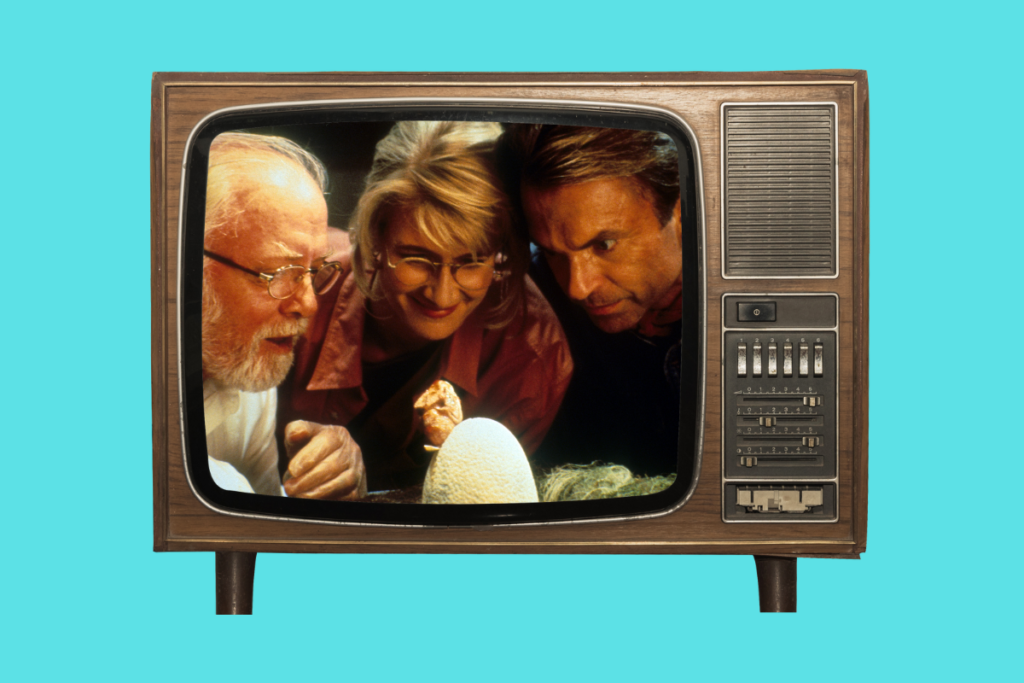
One reason I admire Spielberg so much is that he never allowed himself to become trapped by a single genre. While audiences flocked to films like Indiana Jones and Jurassic Park, he also pursued more personal and ambitious projects. In 1993 alone, Spielberg released both Jurassic Park and Schindler’s List. One transformed visual effects forever. The other won seven Academy Awards and silenced critics who dismissed him as merely an entertainer. Few directors have balanced commercial success and artistic achievement as successfully as Steven Spielberg.
The Emotional Heart of Spielberg’s Films
What separates Spielberg from many blockbuster filmmakers is his ability to combine spectacle with genuine emotion. Beneath the dinosaurs, aliens and treasure hunts, his films are often about family, loneliness and human connection. Whether it’s Elliott and E.T., Roy Neary in Close Encounters, or Oskar Schindler’s moral awakening in Schindler’s List, Spielberg understands that audiences connect with people before they connect with spectacle. That’s why his films continue to resonate across generations. The special effects may age, but the emotional storytelling never does.
Why Steven Spielberg Still Matters
The older I get, the more I appreciate just how extraordinary Spielberg’s career has been. His influence can be seen everywhere, from J.J. Abrams and Robert Zemeckis to Christopher Nolan and beyond. Modern blockbuster cinema owes an enormous debt to his approach to storytelling, pacing and visual wonder. Yet despite all the awards, records and iconic films, what I admire most is his ability to make audiences care. Steven Spielberg didn’t just create some of my favourite films. He helped define what cinema could be for an entire generation.
Recommended Books on Steven Spielberg
These are the Spielberg books I’d happily recommend to anyone who loves film without wanting to wade through a pile of academic theory:
The Jaws Log — Carl Gottlieb
The gold standard of movie-making books. Funny, candid and packed with stories about the famously chaotic production of Jaws.
Spielberg: The First Ten Years — Laurent Bouzereau
A beautifully illustrated look at Spielberg’s rise from television director to Hollywood king.
Steven Spielberg: A Biography — Joseph McBride
Probably the definitive Spielberg biography, but written in an engaging and highly readable style.
Spielberg — Richard Schickel
A concise and entertaining overview of Spielberg’s career and influence.
Adventures in the Screen Trade — William Goldman
Not specifically about Spielberg, but essential reading for understanding the Hollywood era that produced him.
Easy Riders, Raging Bulls — Peter Biskind
A hugely entertaining account of New Hollywood featuring Spielberg, Lucas, Scorsese and their contemporaries.