Sergio Leone
The Night Sergio Leone Changed My Mind About Westerns
I still remember exactly how I discovered Sergio Leone. I was about ten years old and my mum had gone out for the evening. My dad decided I could stay up late and watch a film with him. When he told me it was a Western, my heart sank. At that age, I thought I hated Westerns. I’d grown up watching John Wayne’s more wholesome Sunday afternoon adventures and endless episodes of Bonanza. To my young mind, the genre felt slow, predictable and a little bit old-fashioned.
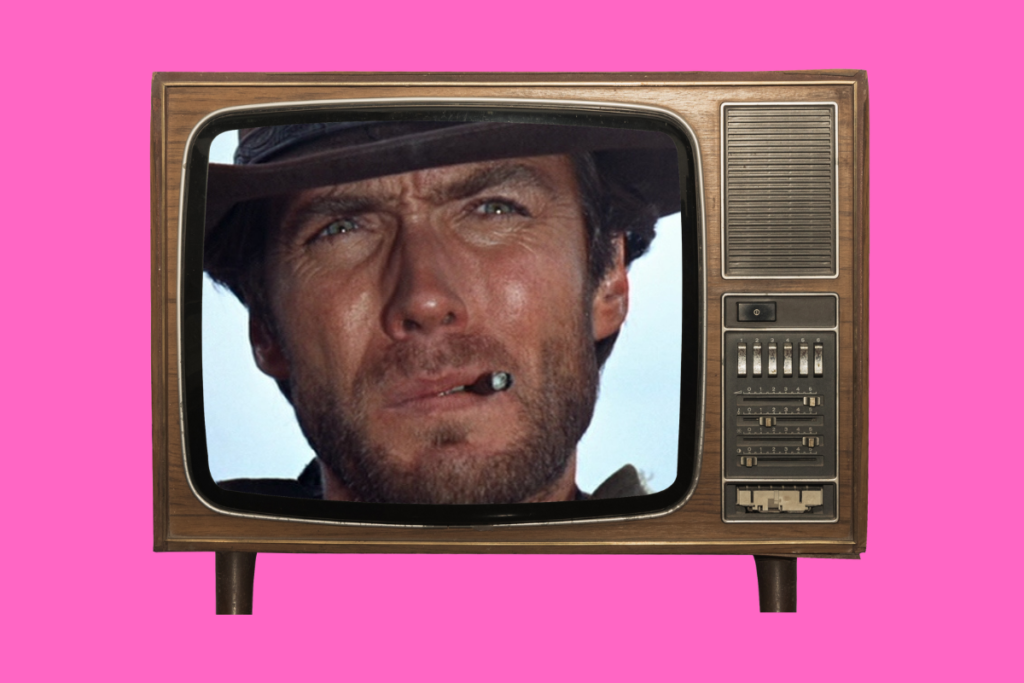
Still, the alternative was being sent to bed, so I stuck around. The film was The Good, the Bad and the Ugly. Within five minutes I was completely hooked. The opening sequence felt unlike anything I’d ever seen before. The music, the faces, the tension and the sheer coolness of Clint Eastwood’s mysterious gunslinger grabbed me immediately. That evening didn’t just introduce me to Sergio Leone. It introduced me to Italian cinema, Clint Eastwood and a style of filmmaking that I’ve loved ever since.
Sergio Leone and the Birth of the Spaghetti Western
What struck me most when I started exploring Sergio Leone’s films was how different they were from traditional Hollywood Westerns. Directors like John Ford had created heroic myths about the American frontier, but Leone took those myths apart and rebuilt them from the ground up. His characters weren’t noble heroes. They were greedy, flawed, dangerous and often morally questionable.
Leone’s breakthrough came with A Fistful of Dollars in 1964. The film launched what would become known as the Dollars Trilogy and transformed Clint Eastwood into an international star. Audiences had never seen anything quite like it. Leone filled the screen with dusty landscapes, weathered faces, long silences and sudden bursts of violence. The result was the birth of the Spaghetti Western, a movement that changed cinema forever. Even today, many modern filmmakers continue to borrow techniques that Leone pioneered more than sixty years ago.
Why The Good, the Bad and the Ugly Remains a Masterpiece
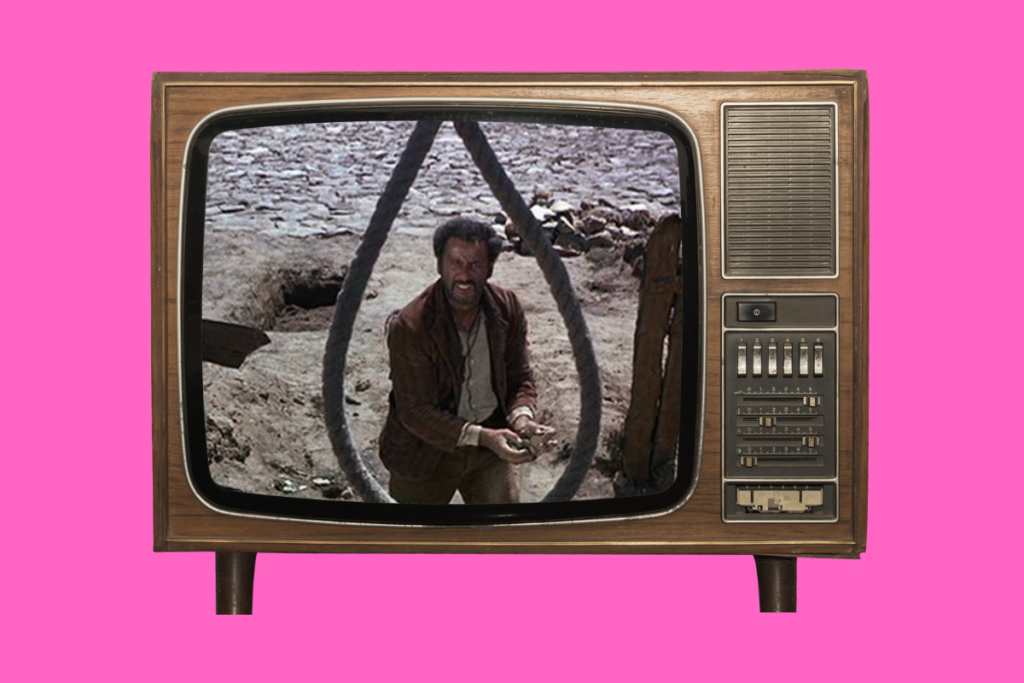
Although I love many Sergio Leone films, The Good, the Bad and the Ugly remains the one that means the most to me. Partly because it was my introduction to his work, but also because it represents everything that made him special as a filmmaker. The film is epic in scale yet surprisingly intimate. Leone understood that suspense could be far more powerful than action.
The famous final showdown in Sad Hill Cemetery is one of the greatest scenes ever committed to film. Three men stand in a circle waiting to draw their guns, yet the sequence feels more exciting than most modern action films. Through extreme close-ups, careful editing and incredible pacing, Leone transforms a simple gunfight into pure cinematic opera. It remains one of the defining moments in Western cinema and a perfect example of why Sergio Leone continues to influence filmmakers today.
Once Upon a Time in the West and A Fistful of Dynamite
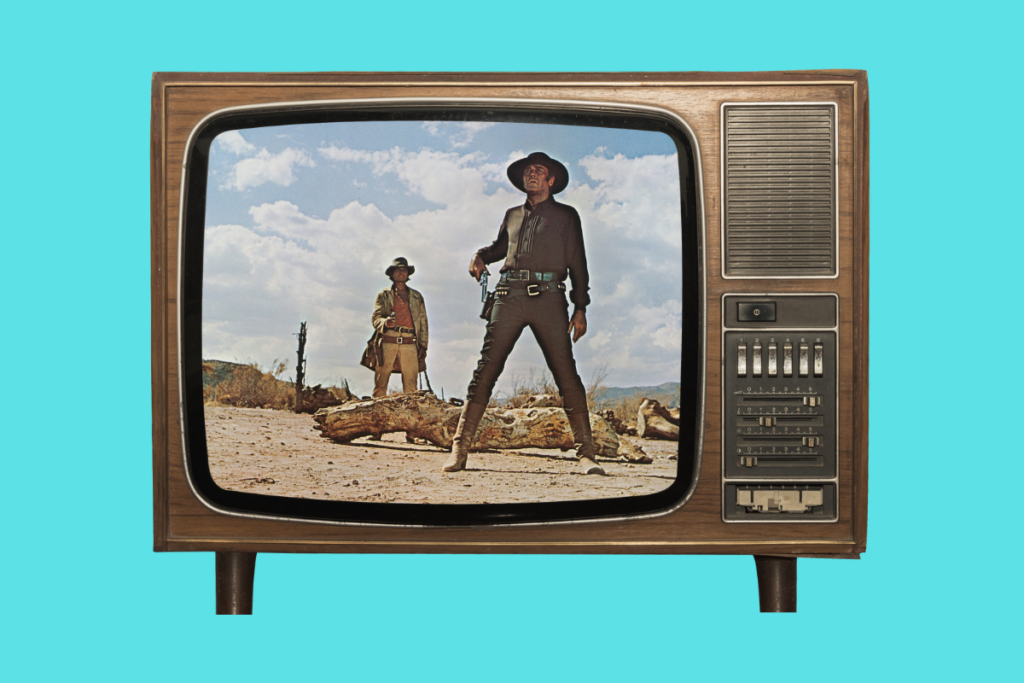
If I had to choose Sergio Leone’s masterpiece, however, it would probably be Once Upon a Time in the West. Every frame feels meticulously crafted. The film isn’t simply a Western; it’s a meditation on the death of the Old West and the arrival of a new world. Henry Fonda’s shocking performance as a ruthless villain remains one of the greatest pieces of casting in film history, while the opening train station sequence is a lesson in building tension.
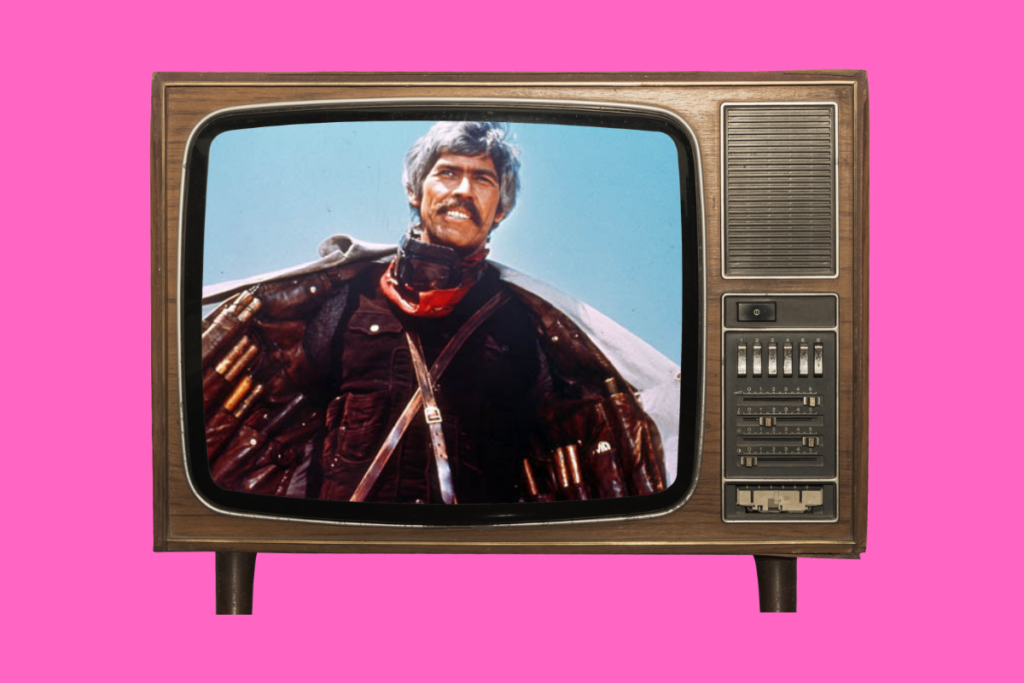
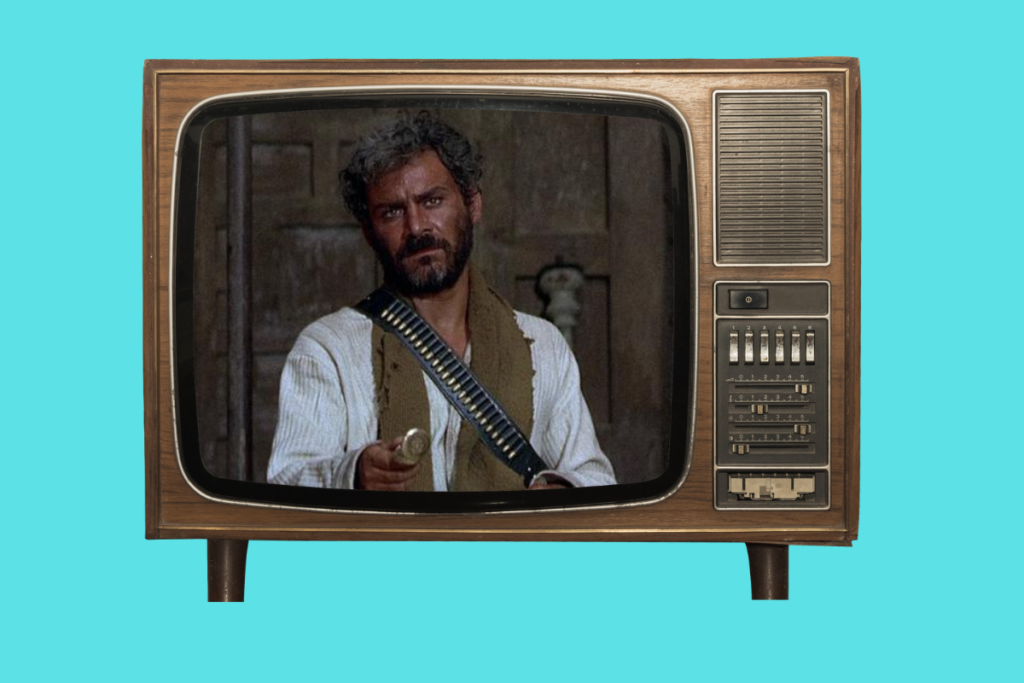
Another Leone film that deserves far more attention is A Fistful of Dynamite, also known as Duck, You Sucker!. It often gets overshadowed by the Dollars Trilogy and Once Upon a Time in the West, which is a shame because it’s one of his most emotionally powerful films. Blending revolution, friendship, humour and tragedy, it showcases Leone at his most ambitious and politically engaged. In my opinion, it’s one of the most criminally underrated films of the 1970s and one that every fan of Sergio Leone should seek out.
Ennio Morricone and Once Upon a Time in America
No discussion of Sergio Leone would be complete without mentioning Ennio Morricone. The two men had known each other since childhood and attended school together long before either became famous. Their partnership would become one of the greatest creative collaborations in cinema history. Morricone’s music wasn’t simply background accompaniment. It became an essential part of Leone’s storytelling.
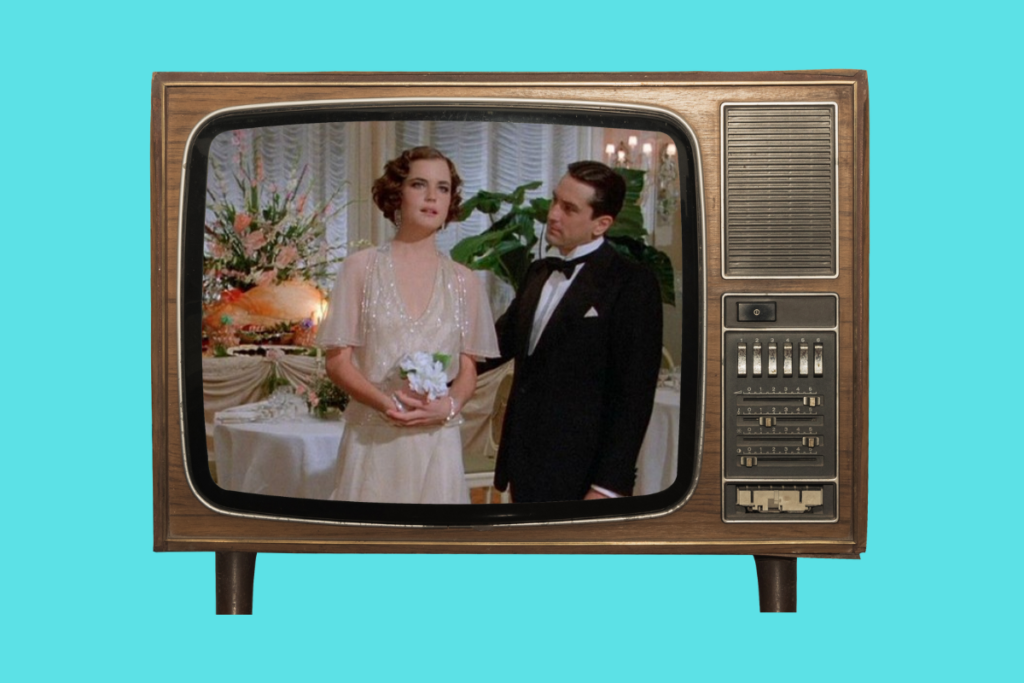
Their collaboration reached extraordinary heights in films such as The Good, the Bad and the Ugly and Once Upon a Time in the West, but perhaps nowhere more beautifully than in Once Upon a Time in America. Leone’s final film swapped the dusty frontier for the world of organised crime, creating a sweeping gangster epic about friendship, memory and regret. Lavish, ambitious and deeply emotional, it remains one of the finest gangster films ever made. It also proved that Leone’s talents extended far beyond the Western genre that made him famous.
Sergio Leone’s Legacy and Influence on Modern Cinema
Sergio Leone’s influence can still be seen everywhere. Directors such as Quentin Tarantino, Robert Rodriguez, Martin Scorsese and John Carpenter have all acknowledged his impact on their work. One of my favourite tributes is Sam Raimi’s brilliant The Quick and the Dead, which lovingly embraces Leone’s visual style, larger-than-life characters and operatic approach to gunfights while still feeling entirely its own film.
What makes Leone such an iconic filmmaker is that he didn’t simply reinvent the Western. He changed the language of cinema itself. His use of close-ups, silence, widescreen compositions and music transformed how directors approached suspense and storytelling. Decades after his death, Sergio Leone’s films still feel modern, exciting and influential. That remarkable longevity is the mark of a true cinematic giant.
Recommended Books and Documentaries
Sergio Leone: Something to Do With Death – Christopher Frayling
Widely regarded as the definitive biography of Sergio Leone and essential reading for anyone interested in his life and films.
Spaghetti Westerns: Cowboys and Europeans from Karl May to Sergio Leone – Christopher Frayling
An entertaining and highly informative exploration of the rise of the Spaghetti Western and Leone’s role in shaping the genre.
Sergio Leone by Himself – Christopher Frayling
A superb biography examining Leone’s life, career, filmmaking techniques and enduring influence on modern cinema.