
Martin Scorsese
Martin Scorsese Films Explained – The Director Who Made Cinema Feel Alive
Discovering Martin Scorsese Through Goodfellas
Like a lot of film fans growing up in Britain around 1990, my movie education came through a mixture of television, VHS rentals and film magazines. One publication in particular became essential reading: Empire. Every month I’d devour every page, and in 1990 one review jumped out at me more than any other — Goodfellas. Five stars. Universal praise. Oscar buzz everywhere. I simply had to see it. At that point, the only Martin Scorsese film I’d seen was The Color of Money. I enjoyed it, but nothing prepared me for Goodfellas. I rented it the day it arrived at my local video shop and watched it twice in one sitting. The pace, the music, the editing and the energy completely blew me away. That single viewing sparked a lifelong fascination with Martin Scorsese, and it remains one of the defining moments in my film education.
Mean Streets and the Birth of Scorsese
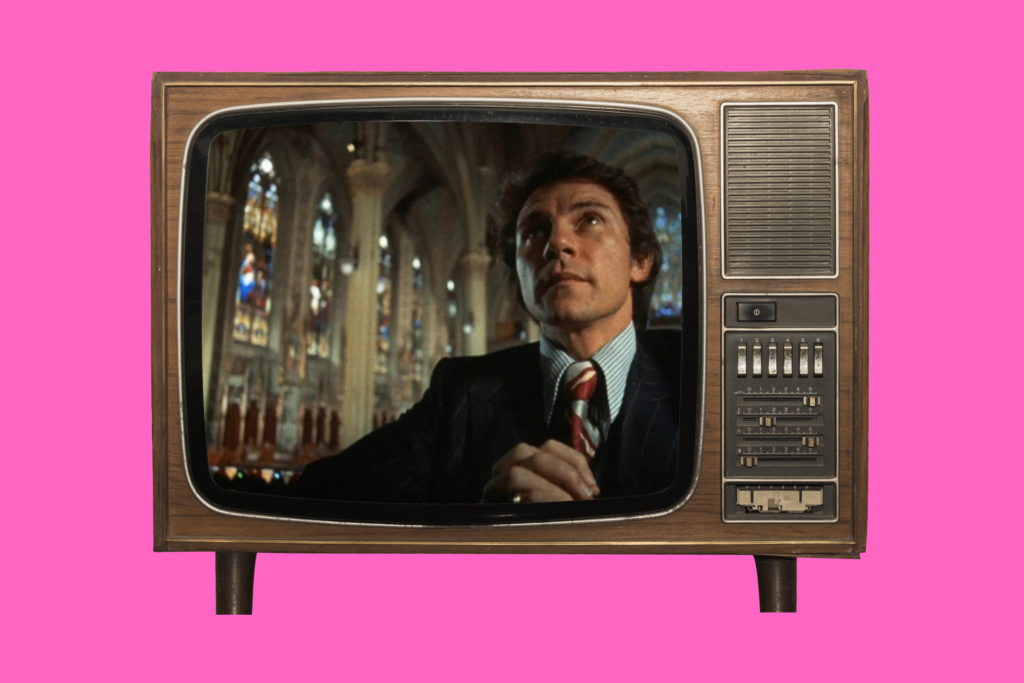
If you’re looking for the starting point when discussing Martin Scorsese films explained, Mean Streets (1973) is where everything begins. This is the film where Scorsese’s distinctive style fully emerges. The restless camera movement, the pop music soundtrack, the Catholic guilt and the morally conflicted characters are all present from the very beginning. Watching Harvey Keitel and Robert De Niro navigate the streets of Little Italy feels less like watching actors perform and more like observing real lives unfold. Furthermore, the film feels deeply personal. Scorsese wasn’t simply telling a story about New York; he was drawing directly from the world he knew. As a result, Mean Streets remains one of the most authentic and influential American films ever made.
Taxi Driver and the Dark Side of the American Dream
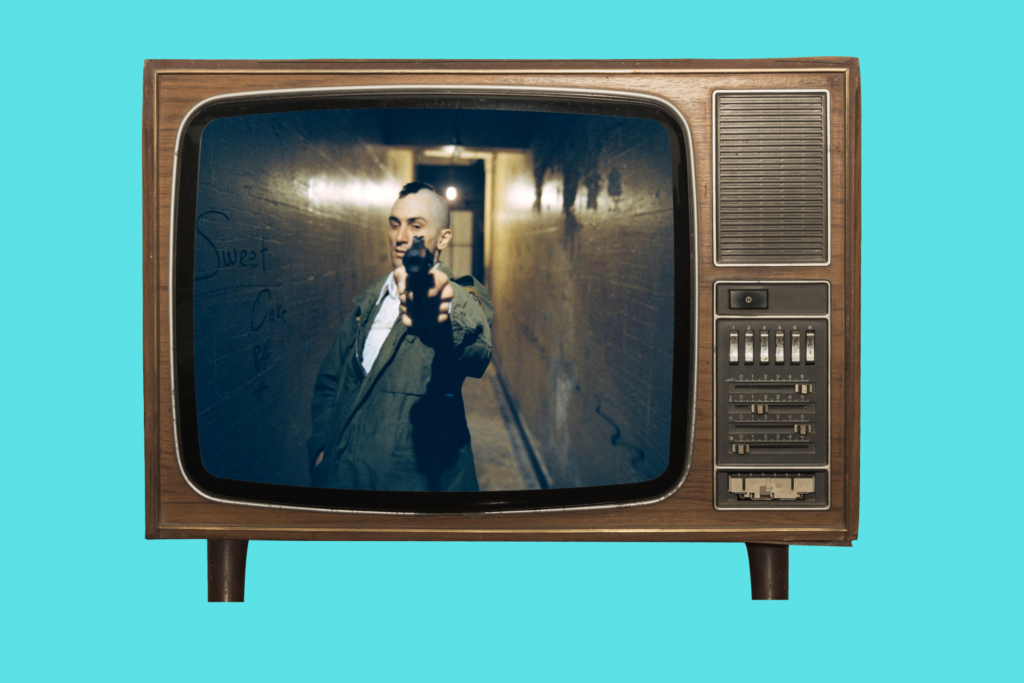
Three years later came Taxi Driver, and cinema was never quite the same again. Released in 1976, the film captures a decaying New York filled with loneliness, paranoia and alienation. Robert De Niro’s Travis Bickle has become one of cinema’s most iconic characters, yet what makes the film extraordinary is Scorsese’s direction. The drifting camera, Bernard Herrmann’s haunting score and the neon-soaked streets combine to create an urban nightmare unlike anything audiences had seen before. More importantly, Taxi Driver refuses to offer easy answers. Instead, Scorsese traps us inside Travis’s fractured worldview and forces us to confront uncomfortable questions about violence, isolation and society itself. Even today, the film remains as unsettling as it was nearly fifty years ago.
Raging Bull and the Art of Self-Destruction
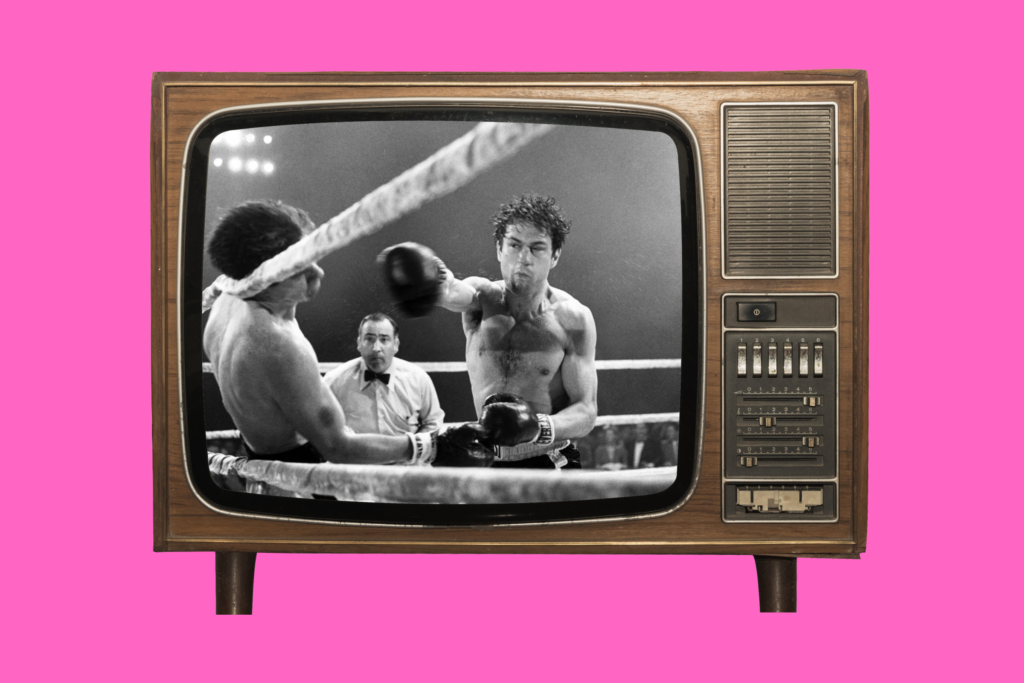
If I had to argue for Scorsese’s greatest achievement, I’d probably make a strong case for Raging Bull (1980). On the surface, it’s a boxing film. In reality, it’s a devastating study of jealousy, masculinity and self-destruction. Robert De Niro’s transformation into Jake LaMotta is legendary, but it’s Scorsese’s visual storytelling that elevates the film into something extraordinary. Every fight feels less like a sporting contest and more like psychological warfare. The black-and-white cinematography gives the film a timeless quality, while the brutal violence gradually reveals a deeply tragic character incapable of escaping his own flaws. Consequently, Raging Bull stands not only as one of the greatest sports films ever made but also as one of the finest character studies in cinema history.
Why Goodfellas Changed Gangster Films Forever
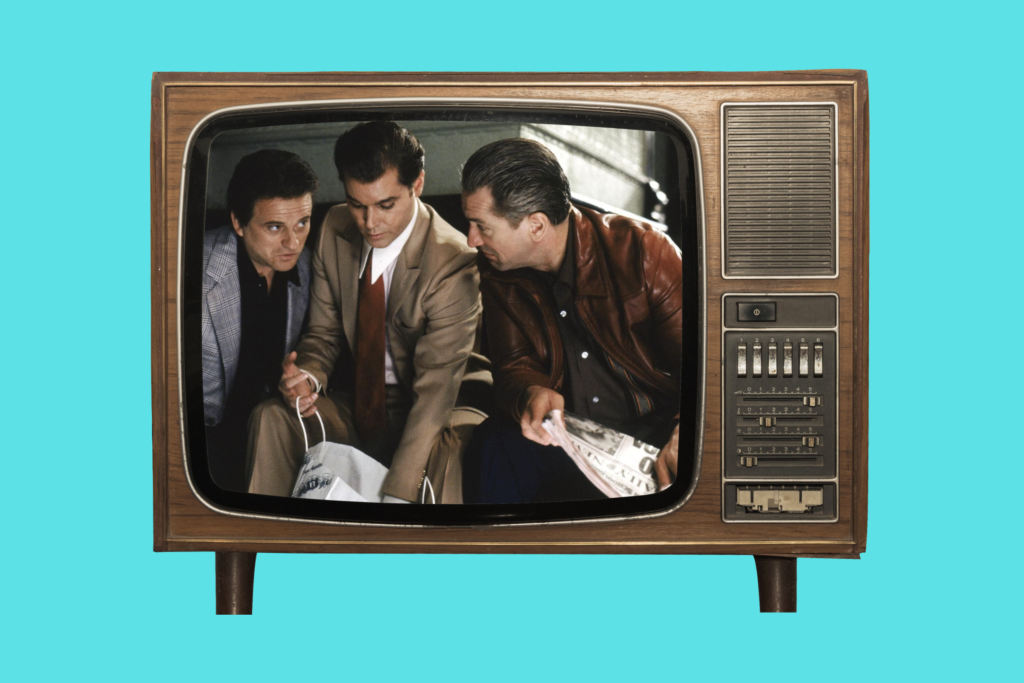
Although Scorsese had already established himself as a major filmmaker, Goodfellas (1990) changed everything. It reinvented the gangster genre and influenced countless filmmakers who followed. The narration, freeze frames, rapid editing, tracking shots and carefully selected soundtrack created a cinematic style that felt completely fresh. However, what makes Goodfellas truly brilliant is its ability to seduce the audience. For much of the film, Henry Hill’s lifestyle looks exciting, glamorous and irresistible. Then, slowly but surely, Scorsese exposes the paranoia, violence and emptiness hiding beneath the surface. That balance between exhilaration and tragedy is what makes Goodfellas one of the greatest films ever made. Even now, more than thirty years later, its influence can be seen everywhere from prestige television to modern crime cinema.
The Legacy of Martin Scorsese
What makes Martin Scorsese such an important filmmaker isn’t simply his technical brilliance. Rather, it’s the themes that run through his work. Whether he’s making films about gangsters, boxers, comedians or priests, he repeatedly explores guilt, redemption, obsession, faith and self-destruction. His characters are often searching for meaning while simultaneously sabotaging themselves. That’s why his films feel so human. Beyond directing, Scorsese has also become one of cinema’s greatest champions through his preservation work with The Film Foundation, helping restore and protect countless classic films. For me, that’s what makes Martin Scorsese truly special. He isn’t just one of the greatest directors in film history; he’s one of cinema’s greatest ambassadors. And if there’s one thing Martin Scorsese films explained can teach us, it’s that great cinema isn’t simply entertainment — it’s a way of understanding ourselves.
Recommended Books on Martin Scorsese
Scorsese on Scorsese – Martin Scorsese & Michael Henry Wilson
The essential starting point. Scorsese discusses his films, influences and career in his own words.
Made Men: The Story of Goodfellas – Glenn Kenny
A superb behind-the-scenes account of one of the greatest films ever made.
Martin Scorsese: A Journey – Mary Pat Kelly
One of the most readable and insightful books on Scorsese’s life and work.
Conversations with Scorsese – Richard Schickel
Excellent interviews covering multiple decades of filmmaking.
Easy Riders, Raging Bulls – Peter Biskind
Not exclusively about Scorsese, but essential for understanding the New Hollywood era.
The Age of Scorsese – Riccardo Dottorini
A thoughtful but accessible exploration of Scorsese’s themes and cinematic style.