

New German Cinema
West German Cinema of the 1970s – When German Filmmakers Reinvented Cinema
Discovering New German Cinema
I first stumbled into West German cinema during my late teens and college years through film books, late-night television screenings and recommendation chains that seemed to go on forever. One film led to another until names like Rainer Werner Fassbinder, Werner Herzog, Wim Wenders and Volker Schlöndorff kept appearing everywhere. At first, I’ll admit, the phrase “New German Cinema” sounded intimidating. It felt serious and academic. But once I started watching the films, I discovered something very different. These movies were emotional, rebellious and often surprisingly punk rock. They challenged conventions and tackled difficult subjects with an honesty that felt completely fresh.
A New Cinema for a New Germany
The rise of West German cinema during the 1970s came at a pivotal moment in German history. The country was still wrestling with the legacy of World War II while younger generations questioned authority, capitalism and the silence surrounding the Nazi past. This cultural upheaval fuelled a new wave of filmmakers determined to tell personal stories rather than produce safe commercial entertainment. The result was New German Cinema, a movement that explored guilt, identity, alienation and political disillusionment. These films weren’t always comfortable viewing, but that was precisely the point. They wanted audiences to think as much as they wanted them to feel.
Fassbinder and the Politics of Human Relationships
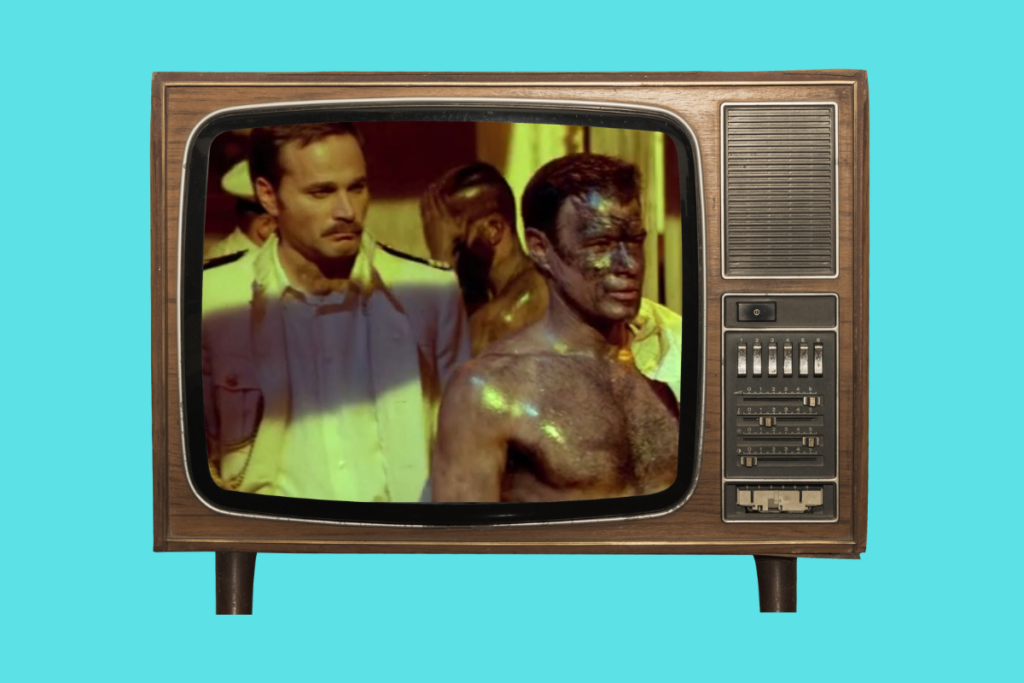
Rainer Werner Fassbinder quickly became the movement’s most prolific and controversial figure. His films combined emotional intensity with sharp social commentary. Ali: Fear Eats the Soul remains one of the most powerful examinations of racism and loneliness ever made, while The Bitter Tears of Petra von Kant transformed toxic relationships into hypnotic drama. Fassbinder also pushed boundaries with later works such as Querelle, a visually stunning and provocative exploration of desire, identity and power. Few filmmakers captured the emotional and social tensions of post-war Germany with such relentless energy.
Herzog, Obsession and the Edge of Madness
Werner Herzog approached filmmaking from an entirely different direction. His films often feel like fever dreams about obsession, nature and mankind’s refusal to accept limitations. Aguirre, the Wrath of God remains one of the greatest films of the era, with Klaus Kinski delivering a mesmerising portrait of madness deep in the Amazon rainforest. Herzog followed it with equally ambitious works such as Heart of Glass, a haunting tale of collective delusion, and Nosferatu the Vampyre, his beautiful and melancholy reimagining of the classic vampire story. His films constantly blur the line between reality, myth and hallucination.




Wim Wenders, The Road and Modern Germany
While Herzog explored obsession and Fassbinder dissected society, Wim Wenders focused on loneliness and identity. His masterpiece Kings of the Road captured a Germany in transition through the story of two drifting men travelling through the countryside. Wenders had a remarkable gift for finding beauty in ordinary moments and melancholy landscapes. His films feel reflective rather than confrontational, yet they often carry enormous emotional weight. Through his work, modern Germany became a place of searching, uncertainty and quiet humanity.
The Films That Defined a Generation
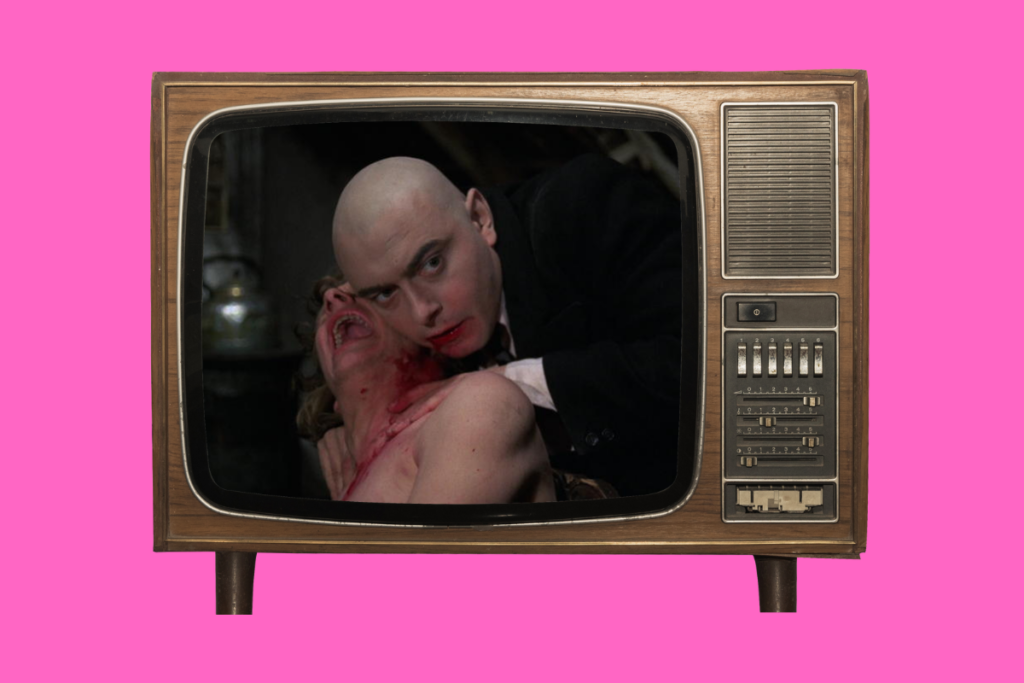
West German cinema produced many remarkable films beyond its most famous directors. Volker Schlöndorff’s The Tin Drum remains one of the defining films of European cinema, using surreal imagery and dark humour to confront Germany’s Nazi past. Margarethe von Trotta and Volker Schlöndorff’s The Lost Honour of Katharina Blum offered a powerful critique of media hysteria and political paranoia. Ulli Lommel’s Tenderness of the Wolves delivered one of the strangest and most unsettling crime films of the decade. Together, these films transformed German cinema and influenced generations of filmmakers. For me, discovering New German Cinema opened the door to a more adventurous way of watching films. These movies challenged me, fascinated me and proved that cinema could be political, personal and emotionally overwhelming all at the same time.
Recommended Books on New German Cinema
Fassbinder Thousands of Mirrors – Ian Penman
A brilliant, witty and highly readable exploration of Fassbinder’s life and films.
Werner Herzog: A Guide for the Perplexed – Paul Cronin
One of the most accessible introductions to Herzog’s extraordinary career.
Herzog on Herzog – Paul Cronin
Fantastic interviews covering everything from filmmaking philosophy to jungle madness.
Wim Wenders: On Film – Wim Wenders
Insightful reflections from one of the movement’s most thoughtful filmmakers.
The BFI Companion to German Cinema – Thomas Elsaesser
Packed with fascinating insights while remaining approachable and engaging.