
Exploitation Movies
Discover Classic Exploitation Movies – The Wild West of Film Culture
The Films That Felt Forbidden
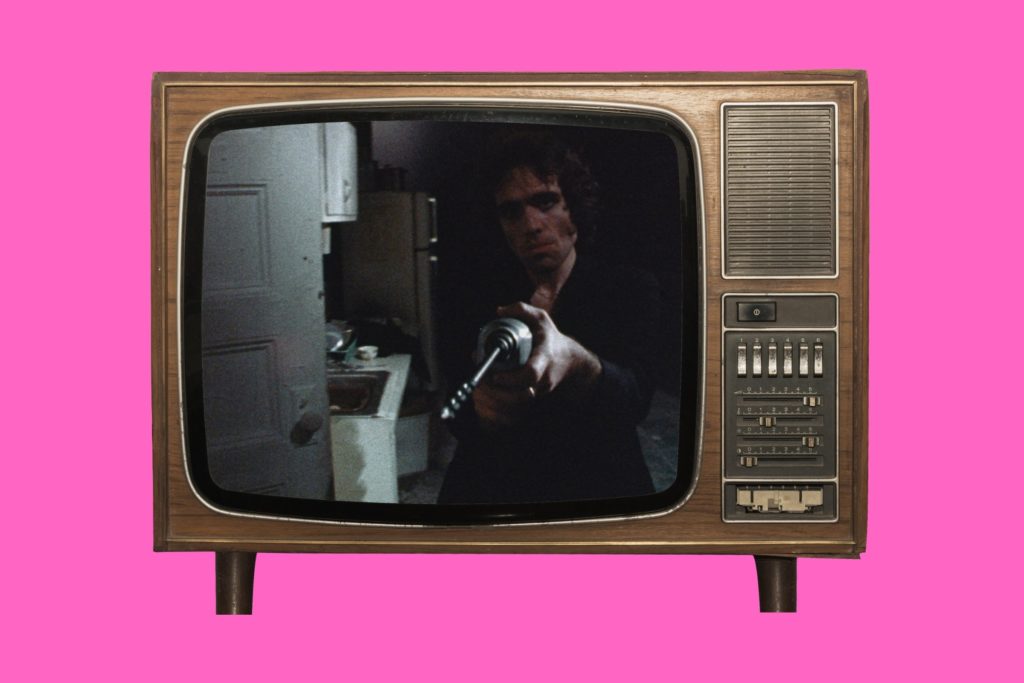
As a kid growing up in the early 1980s, I didn’t just discover classic exploitation movies — I became completely obsessed with them. Long before I’d actually seen most of these films, it was the VHS covers that pulled me into exploitation cinema. The artwork for movies like Maniac, Cannibal Holocaust, The Exterminator and The Driller Killer looked completely different from the glossy mainstream films sitting beside them in the video shop. Blood-red titles, maniacs holding knives, rain-soaked alleyways and taglines promising levels of depravity my young brain could barely process. Honestly, half the fascination came from not fully understanding what I was looking at. These films felt illicit, dangerous and completely irresistible.
How to Discover Classic Exploitation Movies and Understand the Genre
The funny thing about exploitation cinema is that it isn’t really a genre at all. It’s more of an approach to filmmaking. Exploitation films were designed to exploit audience curiosity surrounding taboo subjects like violence, sex, drugs, revenge, bikers, cannibals, slashers and vigilante justice. They were usually made quickly, cheaply and independently outside the Hollywood studio system. Prestige didn’t matter. Shock sold. And yet, despite their trashy reputation, exploitation films ended up shaping modern cinema far more than many people realise. The real explosion happened during the late 1960s and throughout the 1970s after the collapse of the old Hollywood Production Code. Suddenly filmmakers could push boundaries in ways that would have been impossible only a decade earlier.
For anyone looking to discover classic exploitation movies, understanding the history of exploitation cinema is essential.
Why Classic Exploitation Movies Still Feel Dangerous
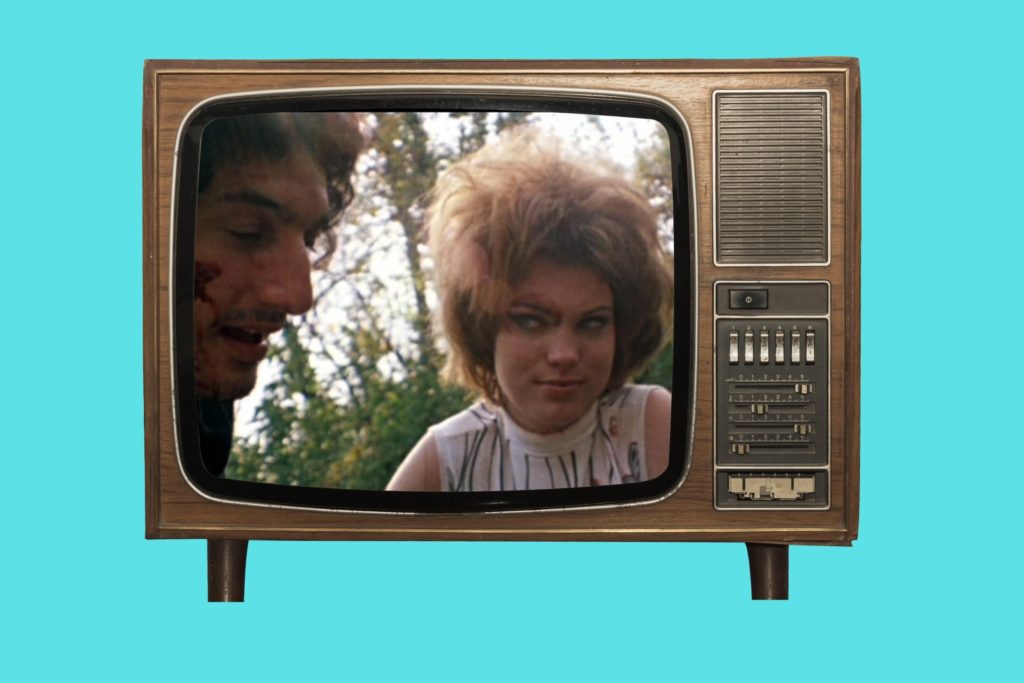
What fascinates me most about exploitation cinema is how raw and unpredictable it feels compared to polished modern studio films. Wes Craven’s Last House on the Left still feels grimy and genuinely uncomfortable today because Craven stripped away the artificial safety of traditional horror. The violence feels ugly rather than entertaining. That was the point. Beneath all the exploitation elements there’s real anger bubbling underneath, particularly the disillusionment surrounding the Vietnam era and collapsing trust in authority. That tension between exploitation and artistry is what makes the genre so interesting. Plenty of these films absolutely were cynical cash-grabs, but others became laboratories for genuinely inventive filmmaking because nobody important was paying enough attention to interfere.
Low Budgets, Big Ideas and Total Creative Freedom
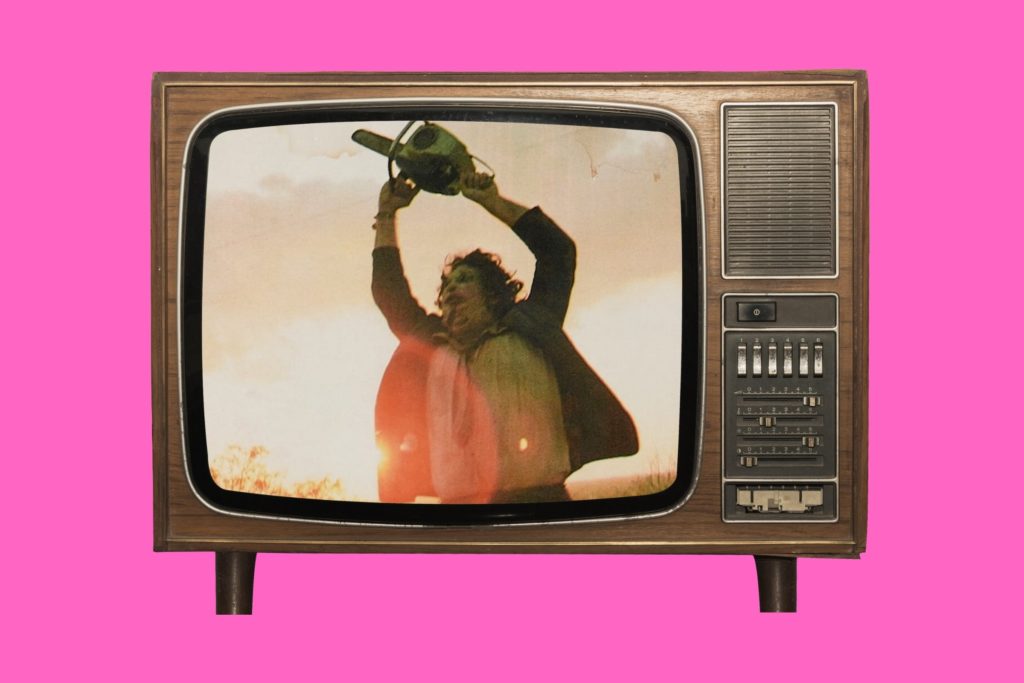
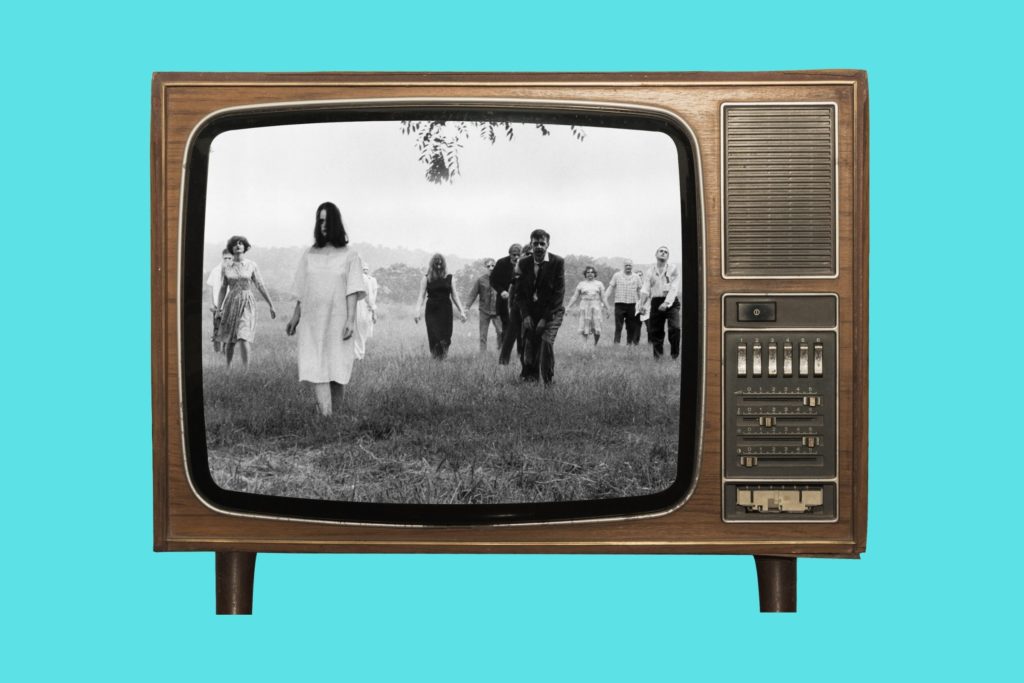
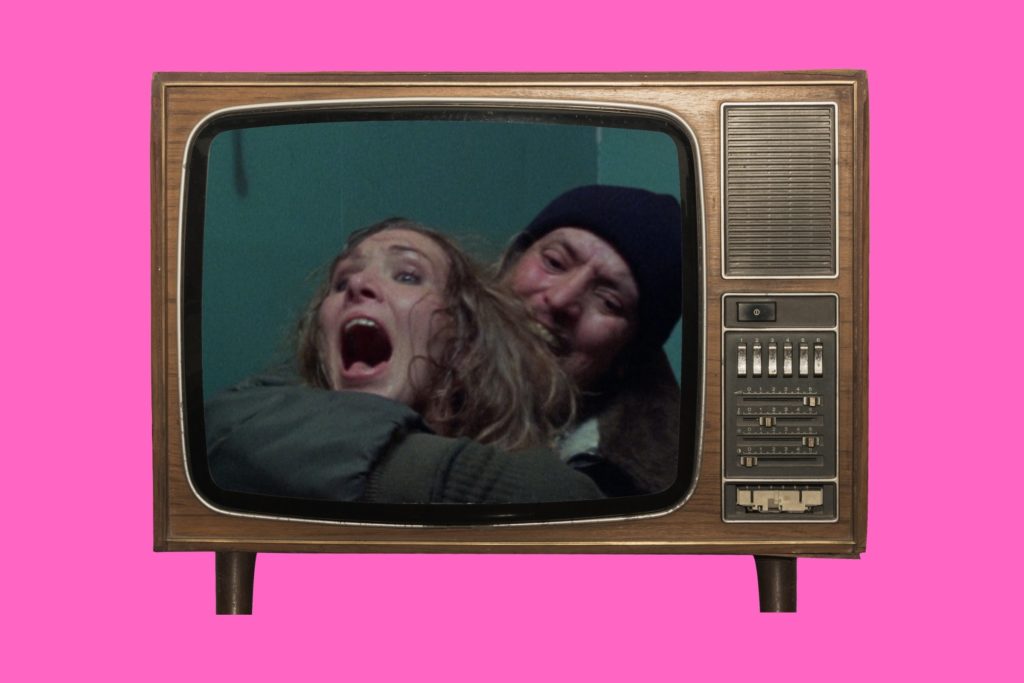
Exploitation cinema rewarded boldness over polish. You didn’t need expensive stars or huge budgets. You needed nerve, memorable ideas and imagery people couldn’t forget. George Romero changed zombie cinema forever with Night of the Living Dead. John Carpenter sharpened suspense filmmaking through low-budget genre work. David Cronenberg fused body horror with psychology and philosophy. Tobe Hooper’s The Texas Chain Saw Massacre still feels feverish and deranged nearly fifty years later. Even the rougher films often possess a strange energy missing from safer studio productions. They feel handmade, desperate and gloriously excessive. Watching William Lustig’s Maniac today still feels like descending into some diseased corner of late-1970s New York where civilisation itself seems to be collapsing.
Discovering Classic Exploitation Movies During the VHS Era
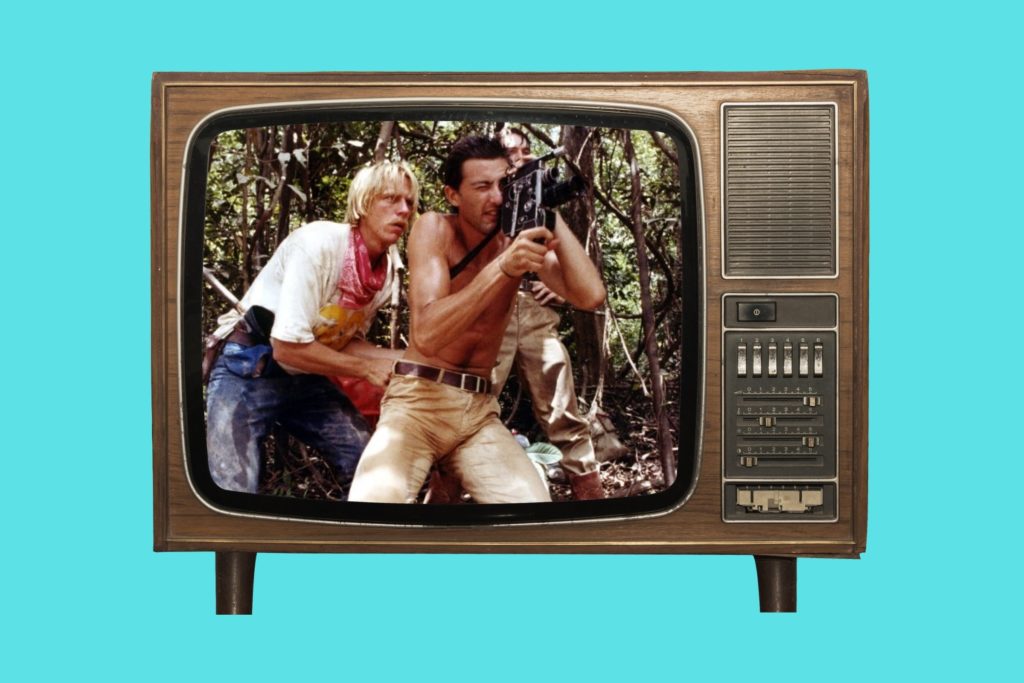
The VHS era was one of the greatest ways to discover classic exploitation movies, especially during Britain’s infamous Video Nasties panic. There was also something uniquely exciting about discovering exploitation films during the VHS era. Tracking certain films down genuinely felt like an adventure. You’d hear rumours about banned horror films or notorious “video nasties” years before actually seeing them. Sometimes the imagination made them seem even more extreme than reality itself. In Britain especially, censorship surrounding exploitation cinema only made the films more mythological. Movies like The Texas Chain Saw Massacre and Cannibal Holocaust became forbidden grail titles passed around through copied tapes and whispered recommendations at school. Streaming culture has made everything infinitely more accessible now, but some of that mystery has definitely disappeared. Back then, exploitation cinema felt underground in the best possible way.
Why Exploitation Cinema Still Matters
If you want to discover classic exploitation movies today, there has never been a better time thanks to boutique labels, streaming services and restored Blu-ray releases. That rebellious energy is probably why exploitation cinema continues attracting new audiences decades later. Quentin Tarantino and Robert Rodriguez openly celebrated grindhouse aesthetics because they understood what made these films exciting. Exploitation movies weren’t focus-grouped into blandness. They often feel genuinely dangerous because filmmakers were taking risks constantly, sometimes artistically and sometimes morally. Not all exploitation films are good, obviously. Some are nasty, cynical or badly made. But even the failures often contain more personality than safer mainstream productions. And when exploitation cinema really works, it creates something unforgettable. Films that burrow into your subconscious through sheer atmosphere, grime and audacity. The sort of films you probably shouldn’t have watched far too young, which is exactly why so many of us became obsessed with them in the first place.
Recommended Reading and Documentaries
Sleazoid Express — Bill Landis and Michelle Clifford
Essential and wonderfully grimy chronicle of New York grindhouse cinema culture.
Nightmare USA — Stephen Thrower
One of the definitive books on American exploitation and horror cinema.
Shock Value — Jason Zinoman
Excellent look at the filmmakers who transformed exploitation horror during the 1970s.
Blood, Swords and Sticky Floors — Andy Milligan
Brilliant deep dive into cult and exploitation movie culture.
Immoral Tales — Cathal Tohill and Pete Tombs
Essential reading on European exploitation and transgressive cinema.
Destroy All Movies!!! — Zack Carlson and Bryan Connolly
A hugely entertaining guide to punk culture, exploitation films and cinematic chaos.
American Grindhouse
Excellent documentary overview of exploitation cinema history.
Not Quite Hollywood
Essential documentary on Australian Ozploitation madness.
42nd Street Forever
Fantastic exploration of grindhouse trailers and exploitation marketing.
Video Nasties: Moral Panic, Censorship & Videotape
Brilliant documentary examining Britain’s censorship hysteria surrounding exploitation films.
Electric Boogaloo: The Wild, Untold Story of Cannon Films
A hugely entertaining look at one of exploitation cinema’s most chaotic studios