

Michelangelo
Antonioni
Michelangelo Antonioni Explained – Cinema as Mood, Silence and Alienation
Discovering Michelangelo Antonioni
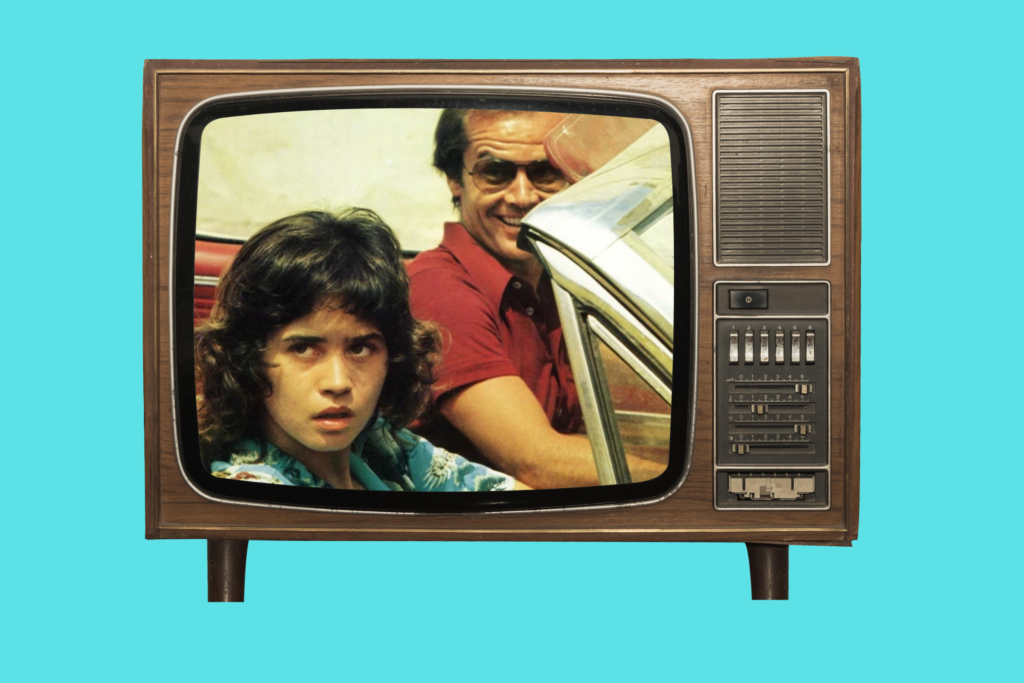
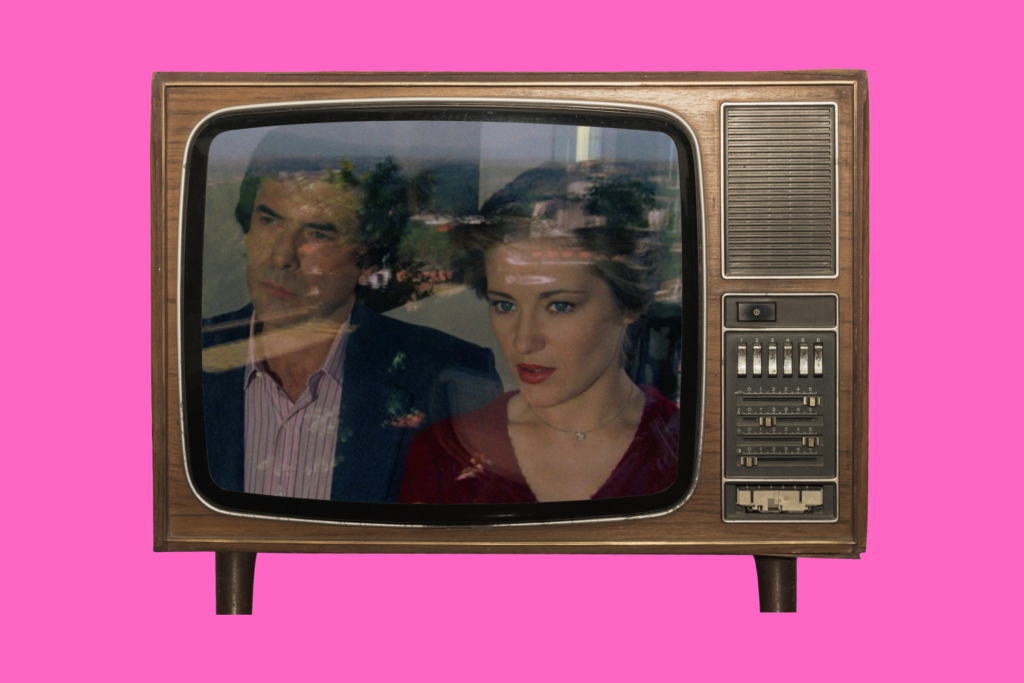
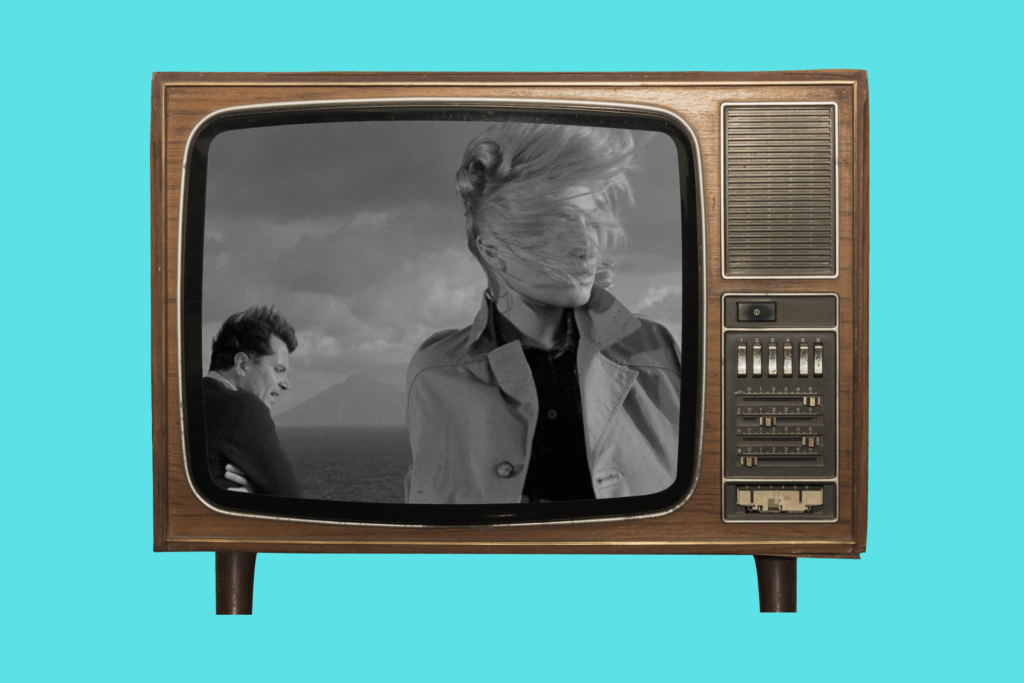
The first time I watched a Michelangelo Antonioni film, I honestly wasn’t entirely sure whether I’d loved it or been quietly hypnotised by it. That’s probably the strange magic of Antonioni. Most directors guide audiences carefully through stories, but Antonioni often seems far more interested in atmosphere, mood and emotional dislocation than conventional narrative satisfaction. His films don’t rush towards dramatic payoffs or tidy endings. Instead, they linger, drift and leave uncomfortable silences hanging in the air.
What fascinates me most about Antonioni is how modern his films still feel. Although many of his masterpieces were made in the 1960s and 1970s, his characters often seem trapped by the same problems we face today: loneliness, disconnection and the inability to communicate meaningfully with the people around us. Once Antonioni gets under your skin, he’s surprisingly difficult to shake off.
How Antonioni Changed European Art Cinema
Born in Italy in 1912, Michelangelo Antonioni emerged during a period when European cinema was undergoing enormous change. Italian Neorealism had dominated post-war filmmaking, focusing on social realism and working-class struggles. However, Antonioni gradually pushed cinema in a far more psychological direction. He became less interested in external events and more fascinated by what was happening inside his characters.
That might sound a little bleak, but Antonioni’s films are never simply depressing. They’re beautiful, thoughtful and often visually breathtaking. He understood that architecture, landscapes and empty spaces could reveal character psychology as effectively as dialogue. In Antonioni’s cinema, buildings, factories and modern cities often become characters in their own right, reflecting the emotional state of the people moving through them.
Blow-Up and the Uncertainty of Reality
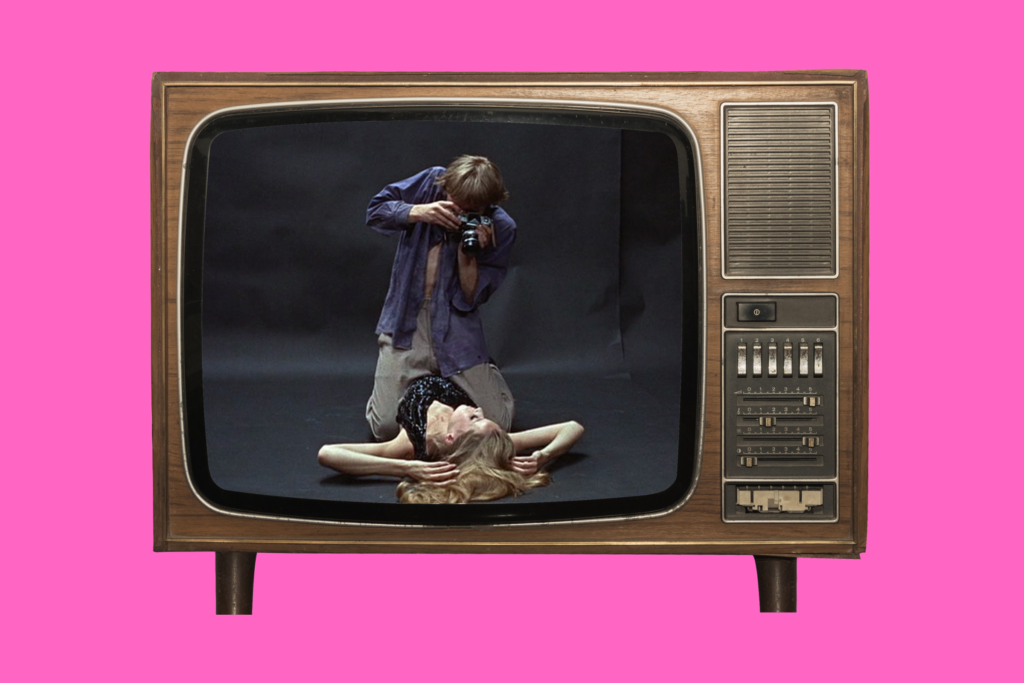
For many viewers, Blow-Up (1966) remains the perfect entry point into Antonioni’s work. On the surface, it appears to be a mystery thriller about a London fashion photographer who believes he may have accidentally captured evidence of a murder. However, the deeper the film goes, the less certain anything becomes.
That’s what makes Blow-Up so endlessly fascinating. Antonioni isn’t really interested in solving a crime. Instead, he’s asking larger questions about perception, reality and whether we can ever truly understand the world around us. The famous final sequence involving an imaginary tennis match remains one of the most discussed endings in cinema history because it deliberately refuses to provide certainty. The more closely we look, Antonioni suggests, the less we really know.

Red Desert and Cinema as Emotional Landscape
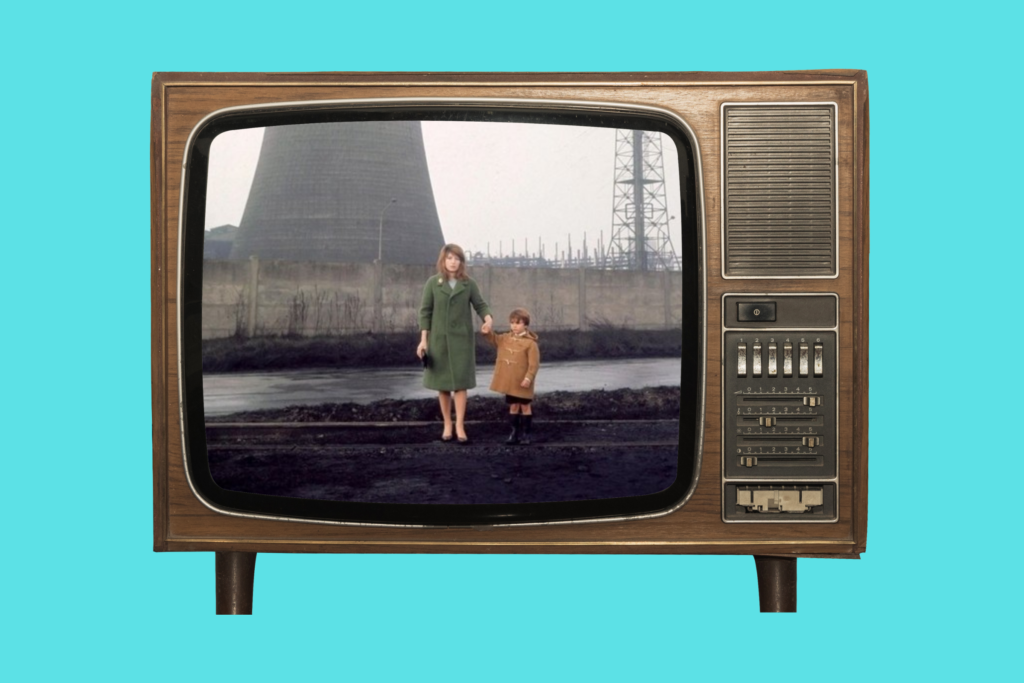
If Blow-Up explores uncertainty, Red Desert (1964) explores emotional isolation. It was Antonioni’s first colour feature and remains one of the most visually astonishing films ever made. Rather than using colour naturally, he approached it psychologically, creating industrial landscapes that feel strangely toxic, oppressive and emotionally unsettling.
Monica Vitti gives one of the great performances of European cinema as Giuliana, a woman struggling with mental illness while surrounded by the machinery and industrial expansion of modern Italy. What makes Red Desert remarkable is the way Antonioni transforms factories, smoke stacks and empty spaces into reflections of Giuliana’s fragile emotional state. You’re not simply watching a character experience anxiety and disorientation; you’re experiencing those feelings alongside her. Few filmmakers have ever used visual design so powerfully to express inner emotion.
Why Michelangelo Antonioni Still Matters
Modern audiences sometimes struggle with Antonioni because his films demand a different kind of viewing experience. They ask us to slow down, observe carefully and absorb emotional undercurrents rather than simply follow plot mechanics. However, once you surrender to Antonioni’s rhythm, his films become strangely immersive and deeply rewarding.
What I’ve always admired most is that despite all the intellectual discussion surrounding his work, Antonioni’s films remain profoundly emotional. His characters desperately seek connection, certainty and meaning, yet continually find themselves isolated by modern life. That emotional truth feels just as relevant today as it did sixty years ago. Without Antonioni, you probably don’t get directors like Wim Wenders, Sofia Coppola, David Lynch or countless filmmakers working in contemporary art cinema. He expanded the language of cinema itself and proved that mood, silence and ambiguity could be every bit as powerful as plot.
Recommended Books on Michelangelo Antonioni
The Architecture of Vision: Writings and Interviews on Cinema – Michelangelo Antonioni
The best place to start if you want to understand how Antonioni thought about filmmaking.
Michelangelo Antonioni – Peter Brunette
An excellent, accessible overview of his career, themes and visual style.
Antonioni: The Poet of Images – William Arrowsmith & Ted Perry
A fascinating collection of essays and interviews exploring his work.
Antonioni, or the Surface of the World – Seymour Chatman
One of the most insightful books ever written about Antonioni’s cinematic language.
Sculpting in Time – Andrei Tarkovsky
Not specifically about Antonioni, but essential reading for anyone interested in meditative cinema.
Lynch on Lynch – Chris Rodley (Editor)
A fascinating companion read, particularly if you can see the emotional and philosophical links between Antonioni and David Lynch.