

Micro-Budget
Horror
Micro-Budget Horror Movies – The Small Films That Changed Horror Forever
Why Micro-Budget Horror Movies Matter
One of the things I’ve always loved about horror cinema is that it doesn’t need enormous budgets to make a lasting impact. In fact, some of the most influential films in horror history were made with little more than determination, creativity and a willingness to ignore conventional filmmaking rules.
What fascinates me about micro-budget horror movies isn’t simply how cheaply they were made. It’s the legacy they leave behind. Time and again, filmmakers working with limited resources have created ideas so powerful that they’ve reshaped the entire genre. These films don’t just succeed despite their budgets; often they succeed because of them.
Night of the Living Dead and the Birth of Modern Horror
The story really begins with George A. Romero’s Night of the Living Dead (1968).
Made independently in Pittsburgh with a modest budget, Romero’s film transformed horror cinema almost overnight. Before Night of the Living Dead, horror was still dominated by Gothic monsters and old-fashioned studio productions. Romero replaced castles with farmhouses, monsters with neighbours and fantasy with unsettling realism.
The influence is impossible to overstate. Every zombie film, television series and video game owes something to Romero’s blueprint. More importantly, the film proved that independent filmmakers could compete with major studios and reach audiences around the world.
That lesson changed cinema forever.
The Texas Chain Saw Massacre and Raw Realism
If Romero made horror feel real, Tobe Hooper made it feel dangerous.
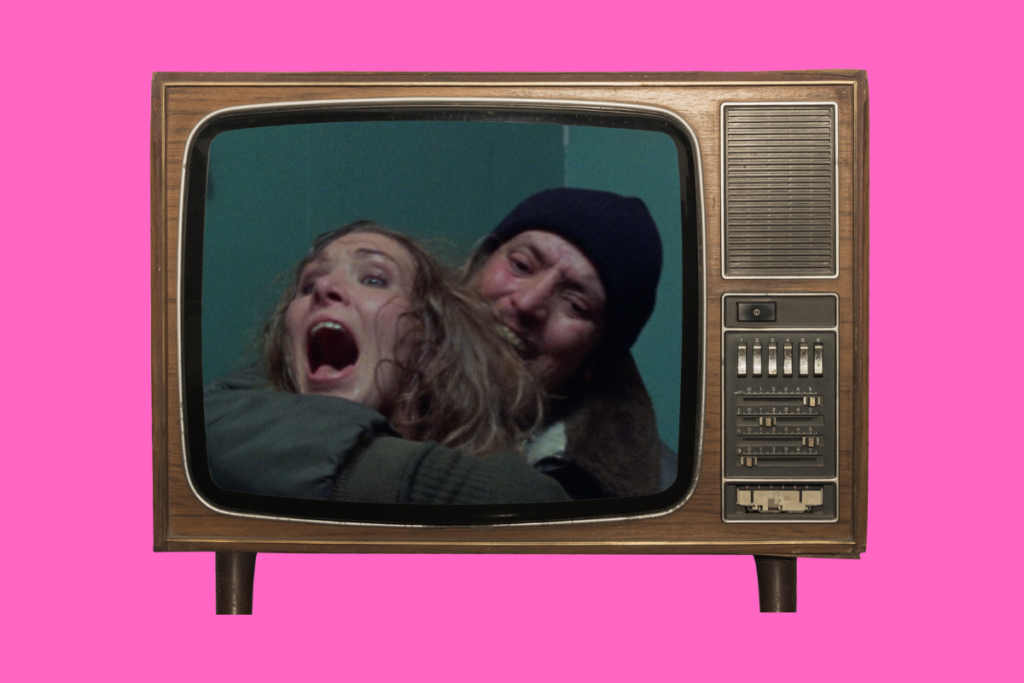
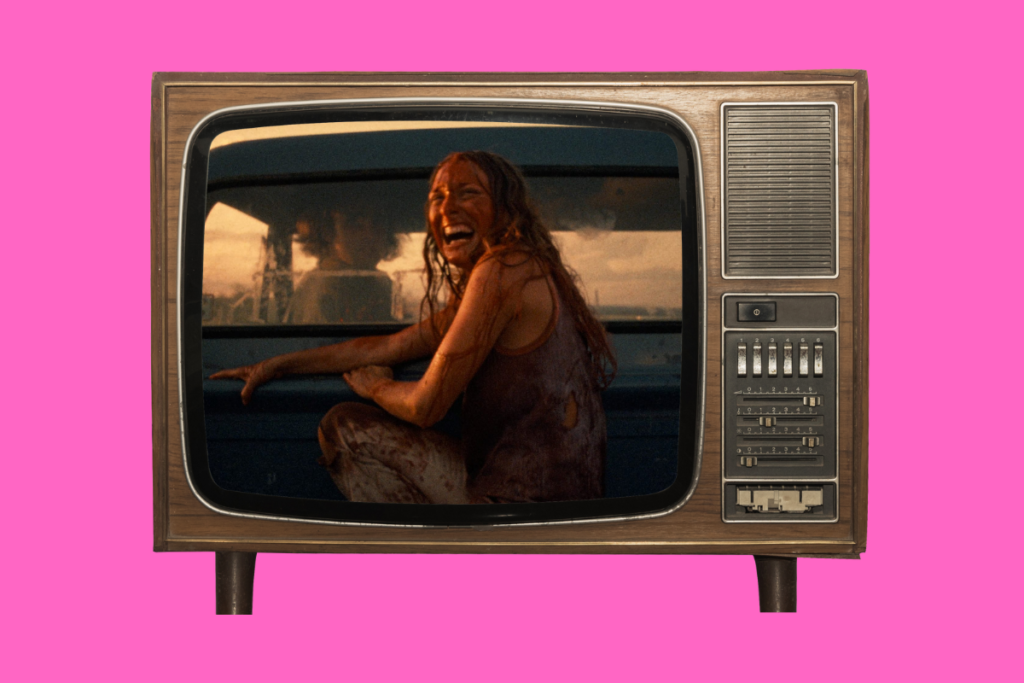
The Texas Chain Saw Massacre (1974) remains one of the most influential horror films ever made, partly because it feels less like a movie and more like evidence recovered from a crime scene. Hooper used documentary-style filmmaking, relentless editing and a sense of genuine discomfort to create an experience that still unsettles audiences today.
Its DNA can be found everywhere. Films such as The Blair Witch Project, Wolf Creek, Eden Lake and countless modern survival horror stories owe a clear debt to Hooper’s uncompromising realism.
The film demonstrated that atmosphere and authenticity could be far more terrifying than expensive visual effects.

Maniac, Martin and Horror’s Darker Side
During the late 1970s and early 1980s, filmmakers continued pushing horror into increasingly uncomfortable territory.
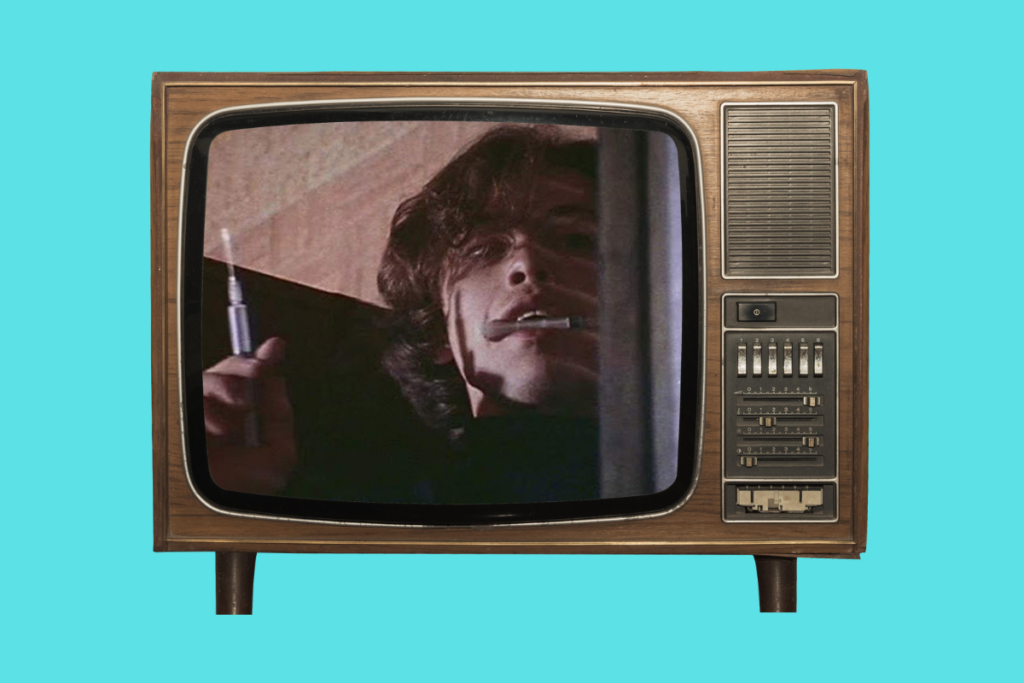
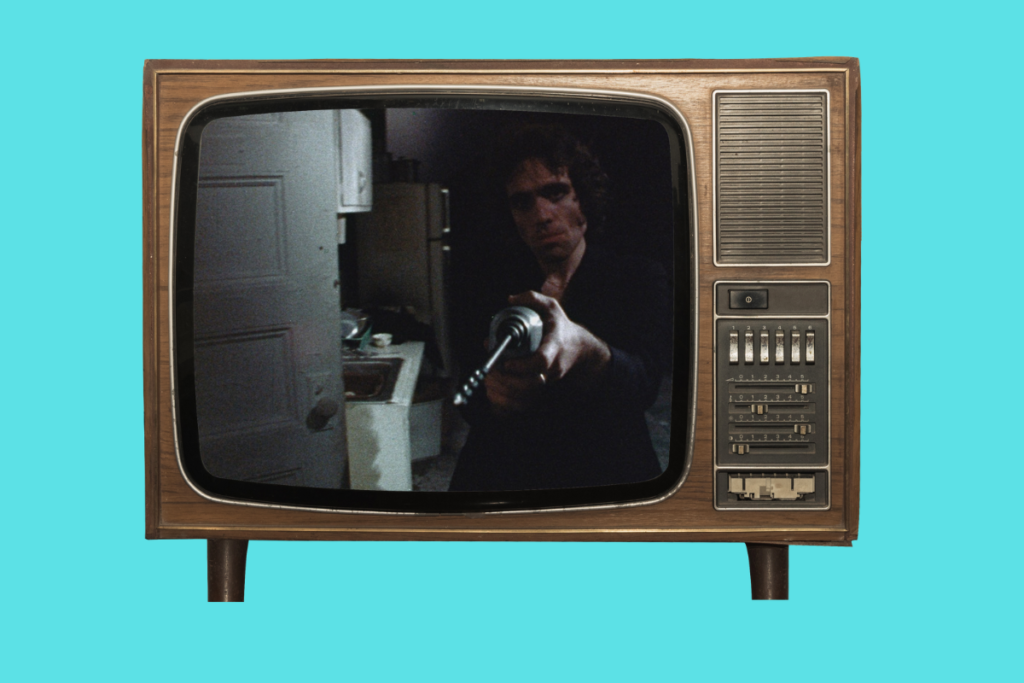
George A. Romero’s Martin (1977) transformed vampire mythology into a deeply human story about loneliness and alienation. Around the same time, William Lustig’s Maniac (1980) dragged audiences into the disturbed mind of a serial killer with an intensity that mainstream cinema simply wouldn’t touch.
These films helped establish a more psychological approach to horror. Their influence can still be seen today in films such as Henry: Portrait of a Serial Killer, Creep, Pearl, Saint Maud and countless character-driven horror films that focus on mental collapse as much as physical danger.
They proved that horror could be intimate, personal and deeply unsettling.
The Evil Dead and the DIY Filmmaking Revolution
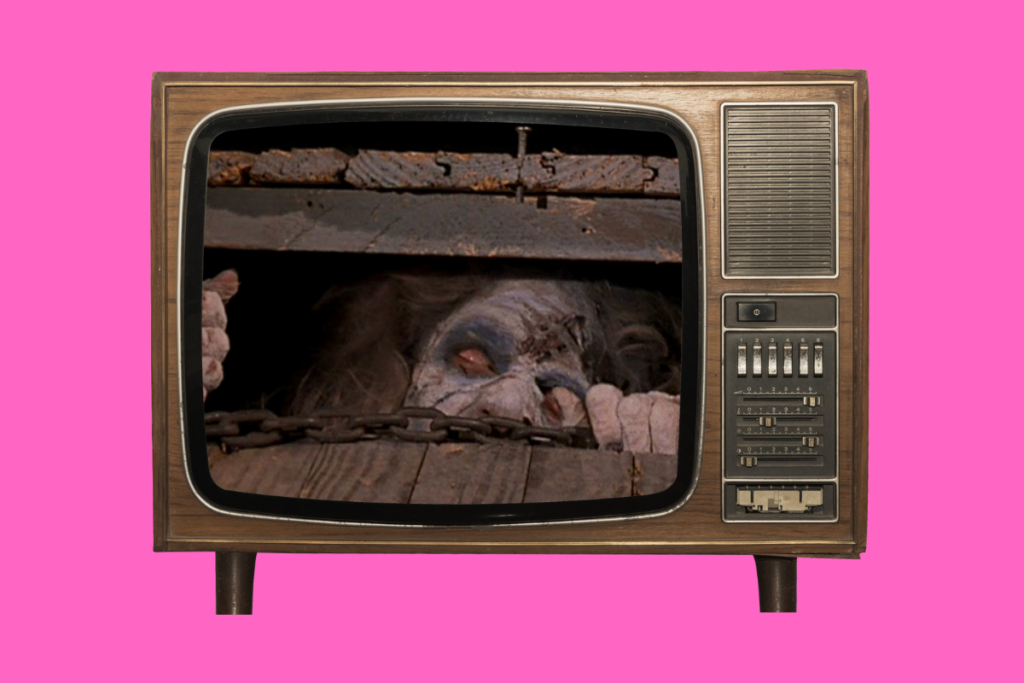
Then came Sam Raimi’s The Evil Dead (1981), perhaps the ultimate example of filmmakers refusing to let a lack of money stand in their way.
Everything about the film bursts with energy. The camera races through forests, practical effects explode across the screen and every scene feels powered by pure enthusiasm. Raimi turned limitations into strengths and created a film that inspired generations of aspiring directors.
Without The Evil Dead, it’s difficult to imagine filmmakers such as Peter Jackson, Robert Rodriguez, Edgar Wright or countless independent horror creators believing they could pick up a camera and simply start making movies.
The message was simple: stop waiting and start filming.
From Blair Witch to Backrooms
The legacy of micro-budget horror continues today.
In 1999, The Blair Witch Project showed that a tiny independent production could become a worldwide phenomenon. Its stripped-back approach, reliance on suggestion and innovative marketing transformed horror and paved the way for films such as Paranormal Activity, REC, Host and countless others.
More recently, films such as Backrooms (2026) demonstrate that the spirit of micro-budget horror remains alive and well. Emerging from internet culture and online mythology, Backrooms owes a clear debt to the independent pioneers who understood that atmosphere, mystery and imagination often matter more than expensive spectacle.
That’s why micro-budget horror movies remain so important.
From Night of the Living Dead and The Texas Chain Saw Massacre to The Blair Witch Project and Backrooms, these films remind us that the most powerful ideas in horror rarely come from the biggest budgets.
They come from filmmakers with something to prove.
And honestly, horror cinema has been better for it ever since.
Recommended Reading
If Chins Could Kill — Bruce Campbell
Rebel Without a Crew — Robert Rodriguez
Nightmare USA — Stephen Thrower
Men, Women and Chainsaws — Carol J. Clover