
Blaxploitation
Cinema
Blaxploitation Cinema – How Exploitation Movies Became a Cultural Movement
Discovering Blaxploitation Cinema
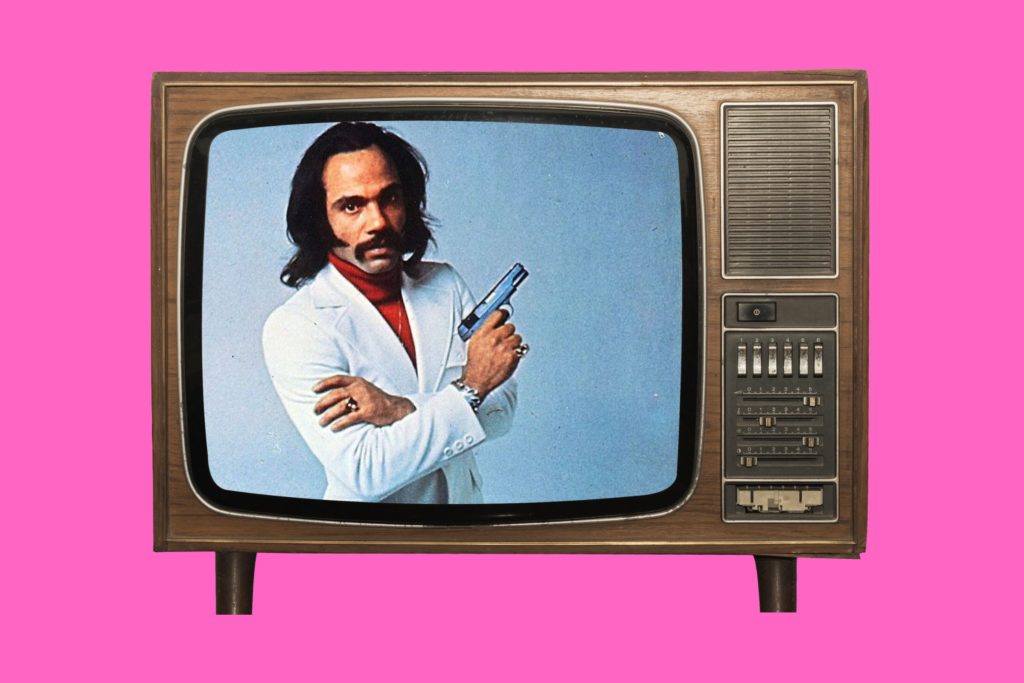
I have to admit that my journey into blaxploitation cinema began through Quentin Tarantino. Like a lot of film fans of my generation, I became fascinated by the films he constantly referenced in interviews. Once I started digging into the influences behind Pulp Fiction and Jackie Brown, an entire hidden world of cinema suddenly opened up. Blaxploitation films became a huge part of that discovery. At first, I was pulled in by the posters, the music and the sheer attitude of films like Coffy, Truck Turner, Super Fly and Black Caesar. They looked and sounded completely different from mainstream Hollywood movies of the same era.
What Made Blaxploitation Different?
However, the deeper I explored blaxploitation cinema, the more fascinating and complicated the genre became. Despite the outrageous titles and low budgets, these films represented something genuinely important in American film history. For the first time in mainstream Hollywood cinema, Black audiences were seeing Black characters placed firmly at the centre of the story. These characters weren’t sidekicks or comic relief. Instead, they were detectives, revolutionaries, hustlers and survivors fighting back against corrupt systems and racist authority figures. As a result, the genre connected powerfully with audiences during the 1970s because the films felt rebellious, stylish and unapologetically confident.
Sweet Sweetback and Shaft Changed Everything
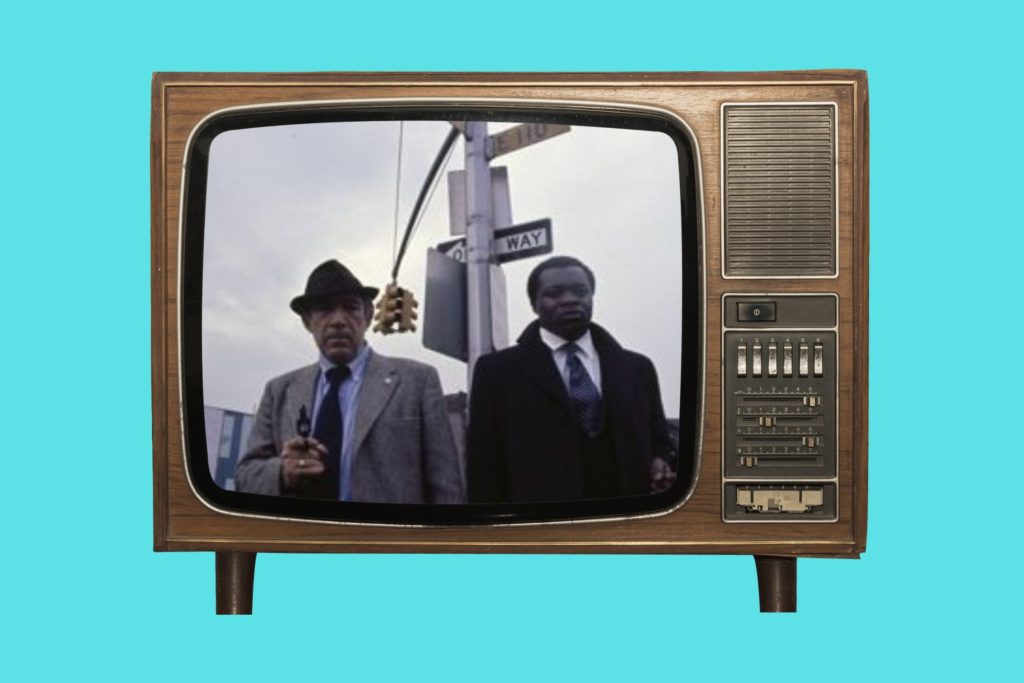
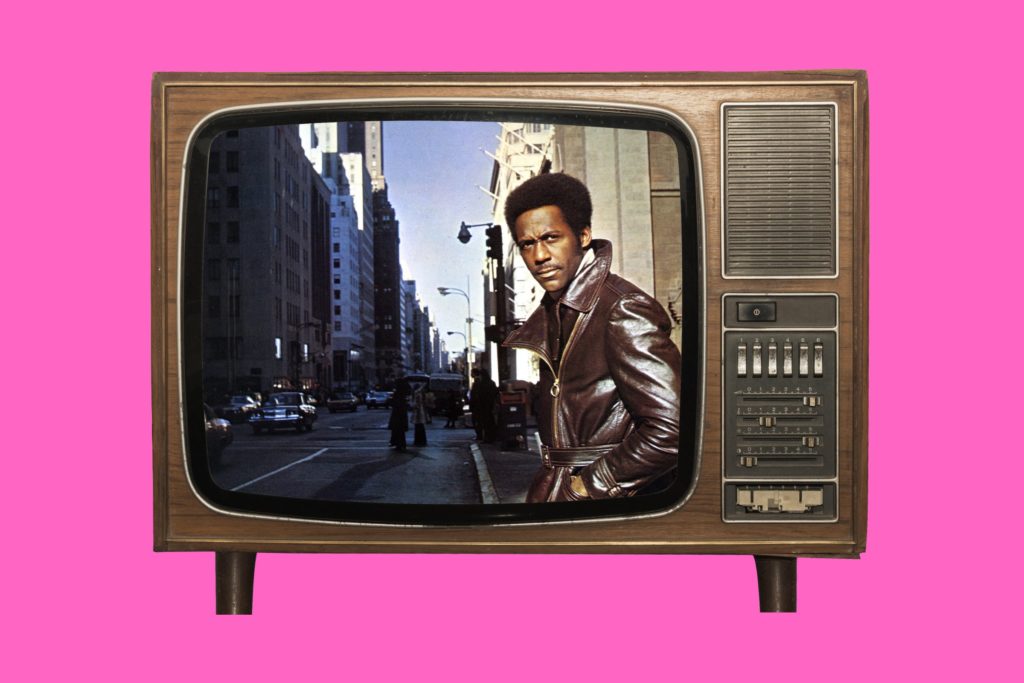
The roots of blaxploitation cinema really begin with Melvin Van Peebles’ Sweet Sweetback’s Baadasssss Song in 1971. Made independently on a tiny budget, the film felt raw, political and confrontational in ways Hollywood rarely allowed at the time. Its success proved there was a huge audience for Black stories told from a Black perspective. Then came Shaft later that same year, directed by Gordon Parks and starring Richard Roundtree as private detective John Shaft. If Sweetback lit the fuse, Shaft exploded the genre into mainstream culture. Richard Roundtree’s effortless cool, Isaac Hayes’ legendary soundtrack and the gritty New York atmosphere instantly became iconic. Consequently, Hollywood studios rushed to produce more Black-led action films throughout the 1970s.
Pam Grier, Soundtracks and Cultural Impact
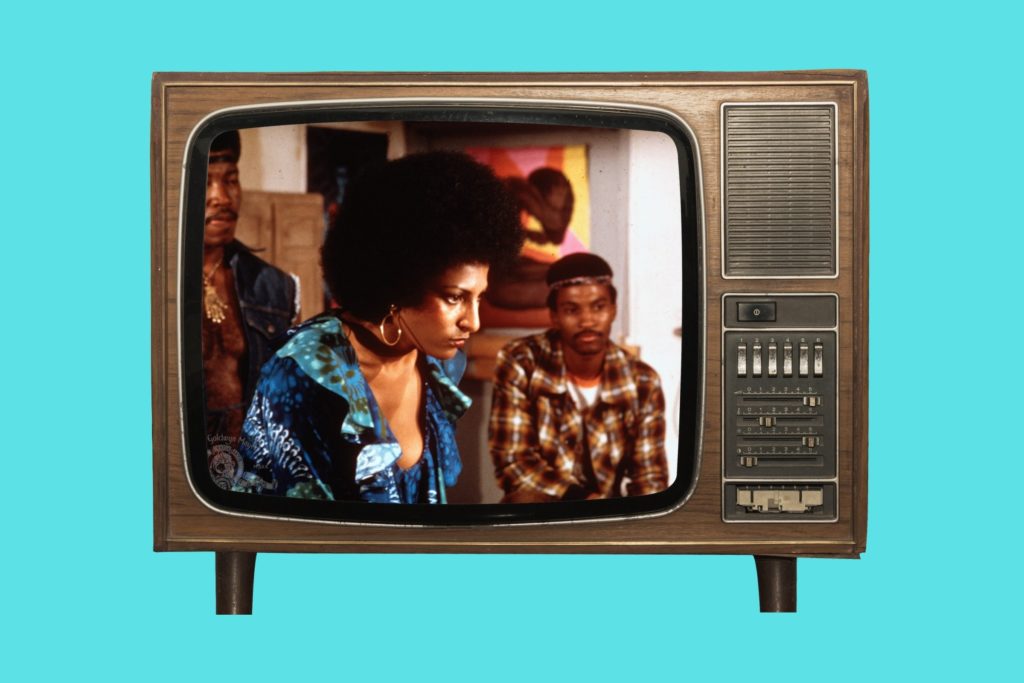
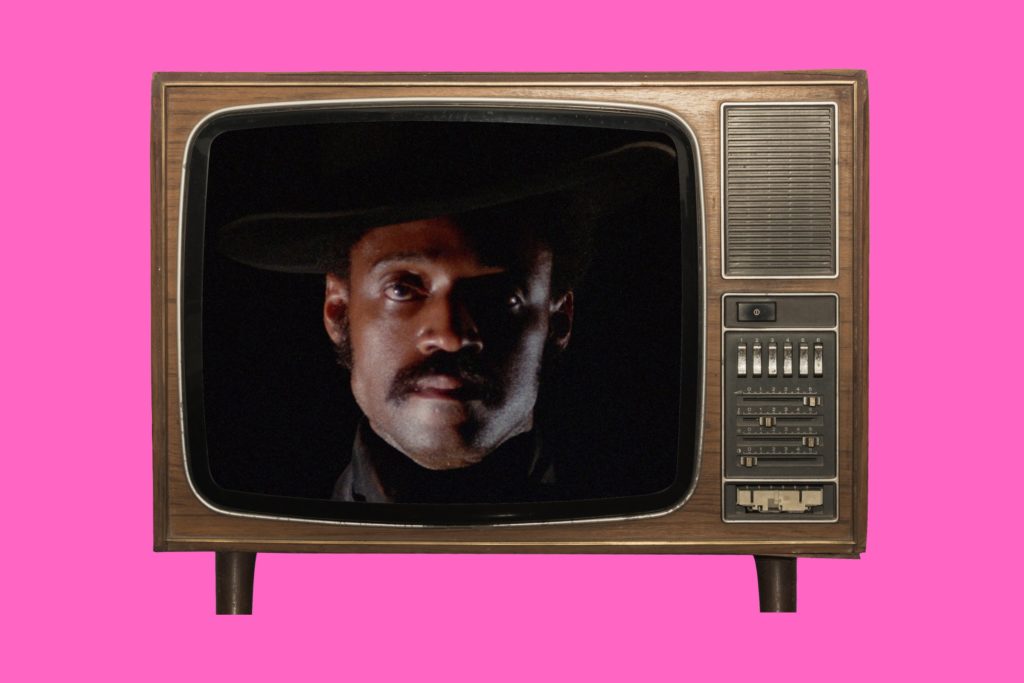
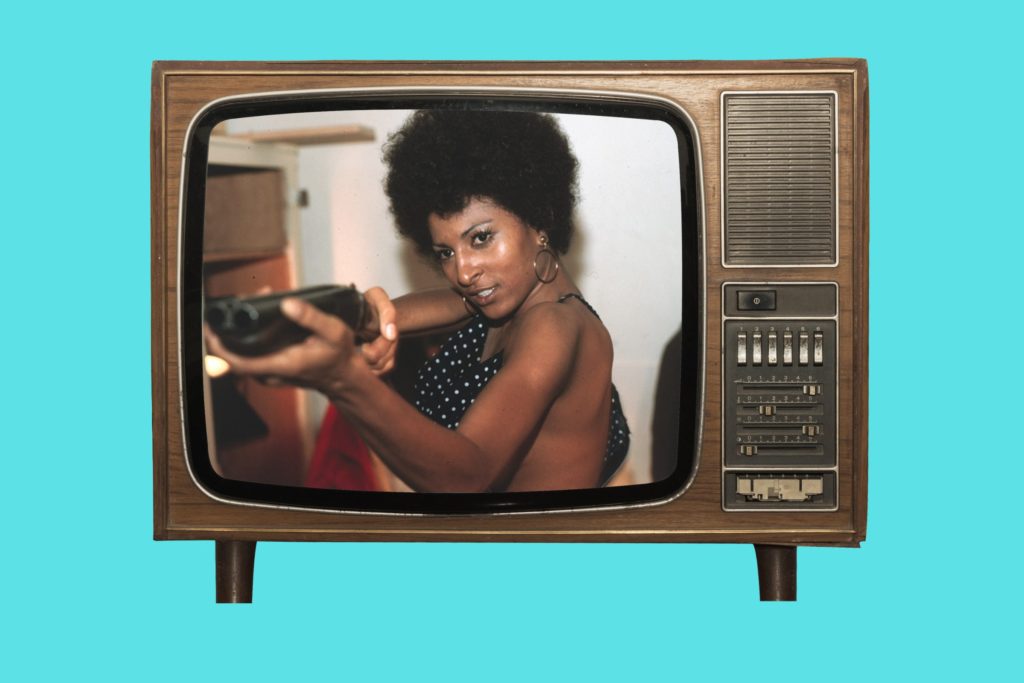
Soon audiences were getting films like Super Fly, Foxy Brown, Black Caesar and Hell Up in Harlem. The quality varied wildly, but the best blaxploitation films possessed an energy and personality that mainstream Hollywood productions often lacked. Pam Grier quickly became one of the defining stars of the movement. Watching Coffy or Foxy Brown today, what still stands out is how powerful and commanding she feels onscreen. At the same time, the music became central to the genre’s identity. Soundtracks by Curtis Mayfield, Isaac Hayes, James Brown and Willie Hutch often became just as influential as the films themselves. In particular, Mayfield’s soundtrack for Super Fly remains one of the greatest film soundtracks ever recorded.
The Explosion of Black Cinema in the 1990s
The early 1990s felt like a major turning point for African American cinema. Suddenly, a wave of exciting Black filmmakers emerged at almost the same time.
John Singleton’s Boyz n the Hood presented a deeply human portrait of life in South Central Los Angeles. Matty Rich’s Straight Out of Brooklyn captured urban frustration with incredible realism. Meanwhile, New Jack City fused gangster cinema with social commentary and MTV-era visual style.
Then came Spike Lee’s Malcolm X. Denzel Washington delivered one of the greatest screen performances of the 1990s, while Spike created an epic exploration of Black identity, politics, spirituality, and transformation.
These films mattered because they told stories mainstream Hollywood had ignored for decades.
Why Blaxploitation Still Matters
Of course, blaxploitation cinema also attracted criticism. Some civil rights groups argued that the films reinforced stereotypes surrounding crime, drugs and violence. Others believed Hollywood studios were simply profiting from Black culture without genuinely improving opportunities behind the scenes. Honestly, some of those criticisms were completely fair. By the mid-1970s, the genre became oversaturated and increasingly formulaic. Nevertheless, the influence of blaxploitation cinema never disappeared. You can still see its DNA in filmmakers like Spike Lee, John Singleton and the Hughes Brothers. Quentin Tarantino openly celebrated the genre through Jackie Brown, while modern action cinema continues borrowing its music, fashion, visual style and anti-authoritarian energy.
Why I Love Blaxploitation Films
What I’ve always loved most about blaxploitation cinema is its sheer energy. Even the rougher films often feel more alive than polished studio productions. Funk soundtracks thunder over car chases. Characters walk through grim city streets with absolute swagger. Every frame feels rebellious. More importantly, the genre represented a moment where Black filmmakers, actors and audiences carved out space for themselves inside an industry that had marginalised them for decades. That’s why these films still matter today. Beneath the exploitation elements and pulp storytelling lies something genuinely important — a movement built on empowerment, representation and cultural change. And honestly, they did it all with incredible style.
Recommended Books
Baadasssss Cinema – Melvin Van Peebles
Essential reading from one of the key architects of blaxploitation cinema.
Black Caesar: The Rise and Disappearance of Fred Williamson – Cynthia Fuchs
Excellent exploration of one of the genre’s biggest stars.
Soul Cinema: Black Urban Culture and the Movies – Ed Guerrero
One of the most accessible books on Black American genre cinema.
What It Is… What It Was! – Gerald Martinez, Diana Martinez & Andres Chavez
Fantastic visual history packed with posters and artwork.
The Films of Pam Grier – Christopher J. Olson
Great deep dive into one of blaxploitation cinema’s defining stars.
Nightmare Movies – Kim Newman
Excellent wider overview of cult and exploitation cinema.