
John Sayles
John Sayles: The Independent Filmmaker Who Did It His Own Way
How I Discovered John Sayles
I first discovered John Sayles in much the same way I discovered many of my favourite independent filmmakers: by following recommendation trails through film books, late-night television screenings and DVD extras. One film led to another until I kept seeing the same name appear over and over again. What struck me immediately was how different his films felt from mainstream Hollywood productions. They were intelligent without being pretentious, political without being preachy and deeply interested in ordinary people rather than larger-than-life heroes. While directors like Steven Spielberg and George Lucas were redefining blockbuster cinema, John Sayles was quietly building one of the most impressive bodies of work in American independent film. Today, when people discuss the history of independent cinema, John Sayles deserves to be mentioned alongside figures like Spike Lee, David Lynch and John Waters.
From Roger Corman to Independent Cinema Pioneer
Like many great filmmakers of his generation, John Sayles got his start working for legendary producer Roger Corman. Before directing his own films, Sayles established himself as a gifted screenwriter, penning cult favourites such as Piranha for Joe Dante, The Howling and Alligator. Looking back, these films now feel surprisingly ahead of their time. They understood genre conventions while simultaneously playing with them, creating a self-awareness that anticipated later filmmakers like Wes Craven and Kevin Williamson. What made Sayles such a strong writer was his deep knowledge of film history. He understood what audiences expected from horror and science fiction and knew exactly how to subvert those expectations. The money he earned from writing genre films allowed him to finance his own projects, helping him become one of the most important figures in American independent cinema.
The Brother from Another Planet and Finding His Voice
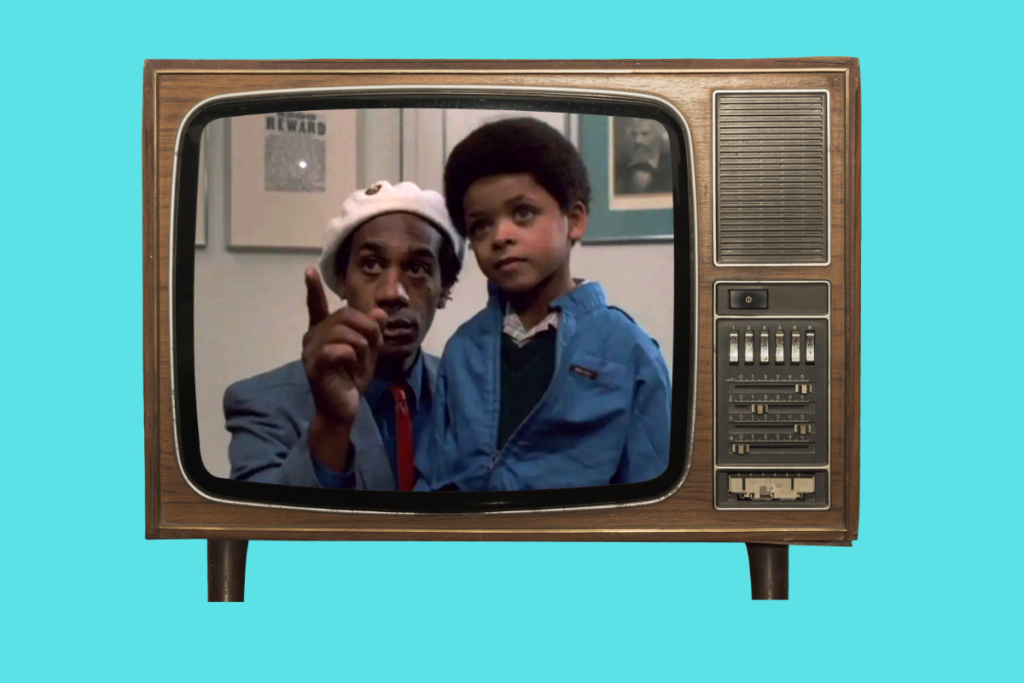
One of the things I admire most about John Sayles is how he could take a seemingly simple genre concept and turn it into something far more meaningful. The Brother from Another Planet is a perfect example. On paper, it’s a science-fiction story about an alien arriving in Harlem. In practice, it becomes a fascinating exploration of race, identity, immigration and belonging in America. This ability to use genre storytelling as a gateway into larger social themes became one of Sayles’ trademarks. His films rarely deal in easy answers or simple heroes. Instead, they focus on communities, relationships and the complexities of everyday life. Even when working within science fiction, drama or historical storytelling, Sayles always remained committed to exploring what it means to be human.
Matewan, Eight Men Out and America’s Hidden Stories
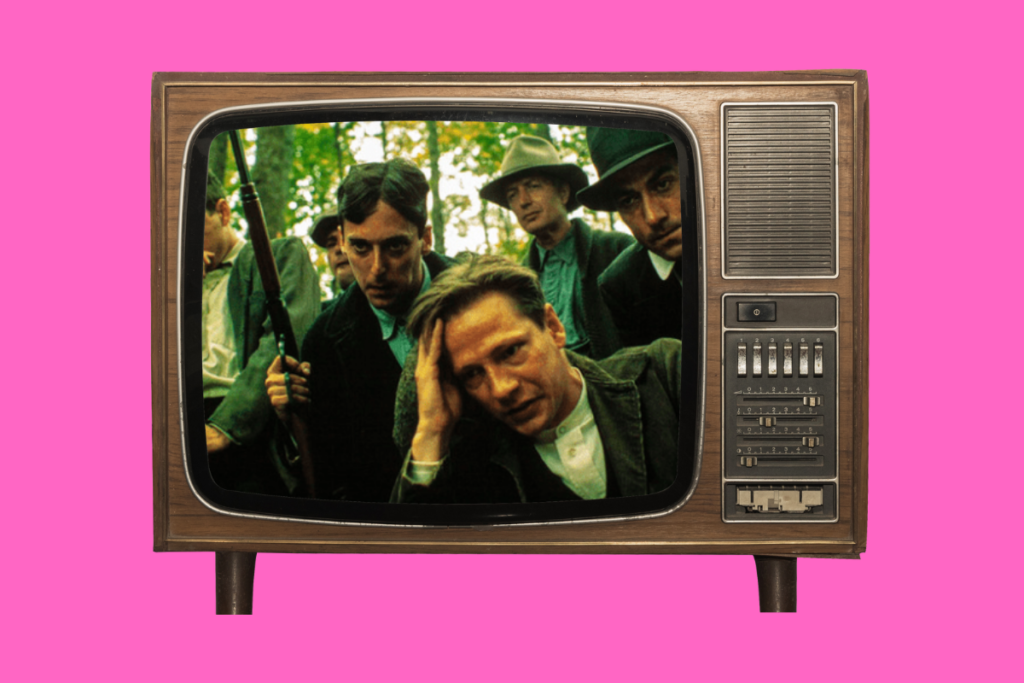
What separates John Sayles from many other filmmakers is his fascination with the stories often overlooked by mainstream cinema. Rather than focusing on presidents, generals or celebrities, Sayles frequently explores the lives of workers, immigrants and ordinary people caught up in larger historical events. Matewan remains one of the finest labour movement dramas ever made, using the West Virginia coal miners’ strikes as the backdrop for a powerful story about class, solidarity and injustice. Likewise, Eight Men Out transforms the infamous Black Sox baseball scandal into something far richer than a conventional sports movie. Throughout his career, Sayles has shown a remarkable ability to make history feel immediate, personal and emotionally engaging. His films remind us that history isn’t simply made by famous figures; it’s shaped by communities and individuals whose stories are often forgotten.




Lone Star and the Peak of John Sayles’ Career
If I had to recommend a single John Sayles film to someone new to his work, it would probably be Lone Star. For me, it’s his masterpiece. Part mystery, part Western, part political drama and part family story, the film explores race, memory and identity in a way that feels both timeless and deeply relevant. What begins as an investigation into a decades-old murder gradually expands into an examination of an entire community and the myths it tells itself. Around the same period, Sayles also directed the wonderful Passion Fish, another film built around rich characters and emotional honesty rather than spectacle. These films represent the very best of independent filmmaking: intelligent, beautifully written and completely unconcerned with Hollywood trends.
Why John Sayles Still Matters Today
John Sayles remains one of the great champions of American independent cinema because he never compromised his voice. While many filmmakers moved between independent projects and major studio franchises, Sayles largely stayed true to his own path. His career runs parallel to contemporaries such as David Lynch, David Mamet, John Waters and Spike Lee, all filmmakers who continued creating distinctive personal work outside the mainstream system. You can see Sayles’ influence throughout modern independent cinema, particularly in films that prioritise character, community and social observation over spectacle. More than anything, his work proves that great filmmaking doesn’t require massive budgets or special effects. It requires curiosity, empathy and a genuine interest in people. That’s why John Sayles’ films continue to resonate with audiences decades after they were made.
Recommended Books on John Sayles
Thinking in Pictures: The Making of the Movie Matewan – John Sayles
Part filmmaking diary, part memoir and part history lesson. A fascinating look at how Sayles approached one of his greatest films.
To Make a Great Film, Think Like a Filmmaker – John Sayles
A practical and entertaining collection of Sayles’ thoughts on storytelling, writing and directing.
Sayles on Sayles – Gavin Smith
One of the best interview books on any filmmaker. Honest, insightful and packed with stories from across Sayles’ career.
Lone Star Screenplay – John Sayles
Reading Sayles’ screenplay is a masterclass in structure, dialogue and character development.
Rebel Without a Crew – Robert Rodriguez
Not about Sayles directly, but anyone interested in independent filmmaking will love Rodriguez’s account of making films outside the Hollywood system.