Auteur Theory
Auteur Theory Explained – The Directors Who Leave Their Fingerprints on Film
What Is Auteur Theory?
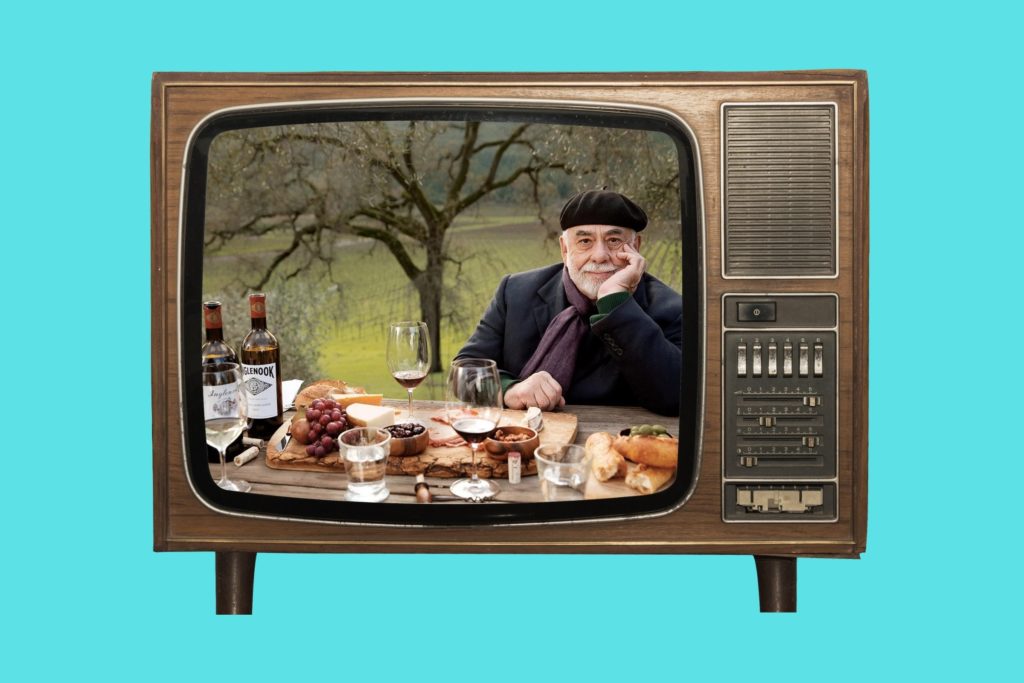
One of the things I started noticing as a teenager — long before I knew there was an actual term for it — was that certain directors simply felt different. I’d spend hours reading Empire, Sight and Sound and biographies on filmmakers like Stanley Kubrick, Francis Ford Coppola and David Lynch, and eventually the patterns became impossible to ignore. Kubrick brought icy precision to almost everything he directed. Meanwhile, Lynch specialised in dreamlike nightmares and unsettling imagery. Coppola, on the other hand, filled his films with emotional chaos and operatic family drama. Their movies felt connected in a way that went beyond plot. More importantly, they felt personal. That’s essentially what Auteur Theory is all about — the idea that great directors leave fingerprints on their films.
Discovering Directors as Artists
When I eventually studied film properly, Auteur Theory suddenly gave a name to everything I’d already been obsessing over for years. I remember one module focusing heavily on Martin Scorsese, and honestly, it completely changed the way I watched cinema. Once somebody points out recurring themes, you can never unsee them. Catholic guilt. Masculinity. Violence. Redemption. Identity. Scorsese wasn’t simply directing crime films — instead, he was exploring his own worldview repeatedly through cinema. Because of that, directors stopped feeling like hired technicians to me and started feeling more like novelists or musicians.
The French Origins of Auteur Theory
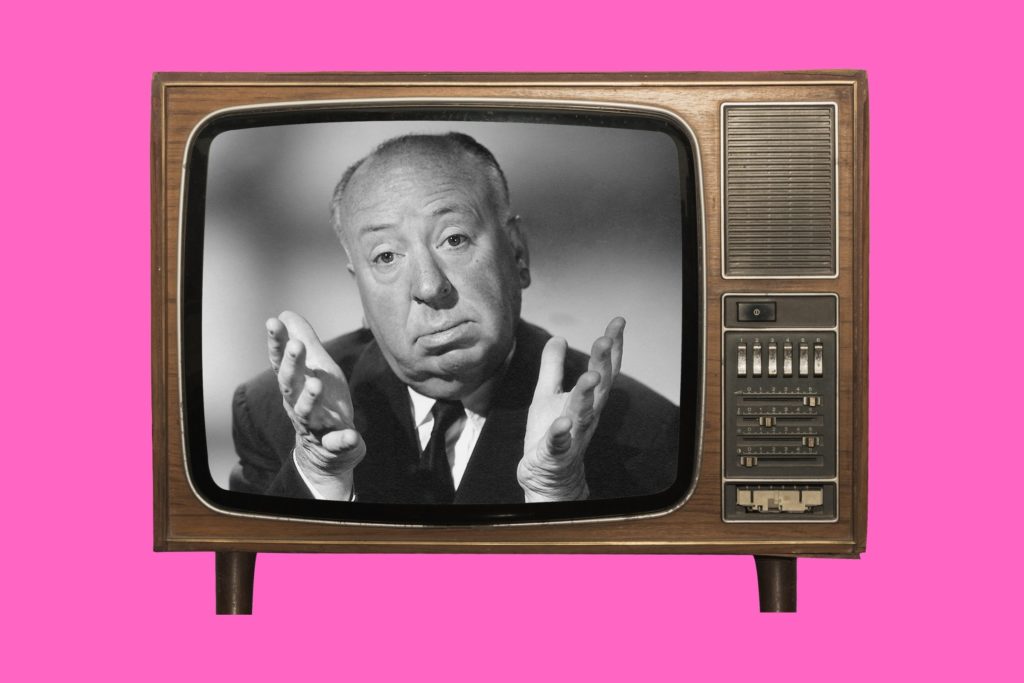
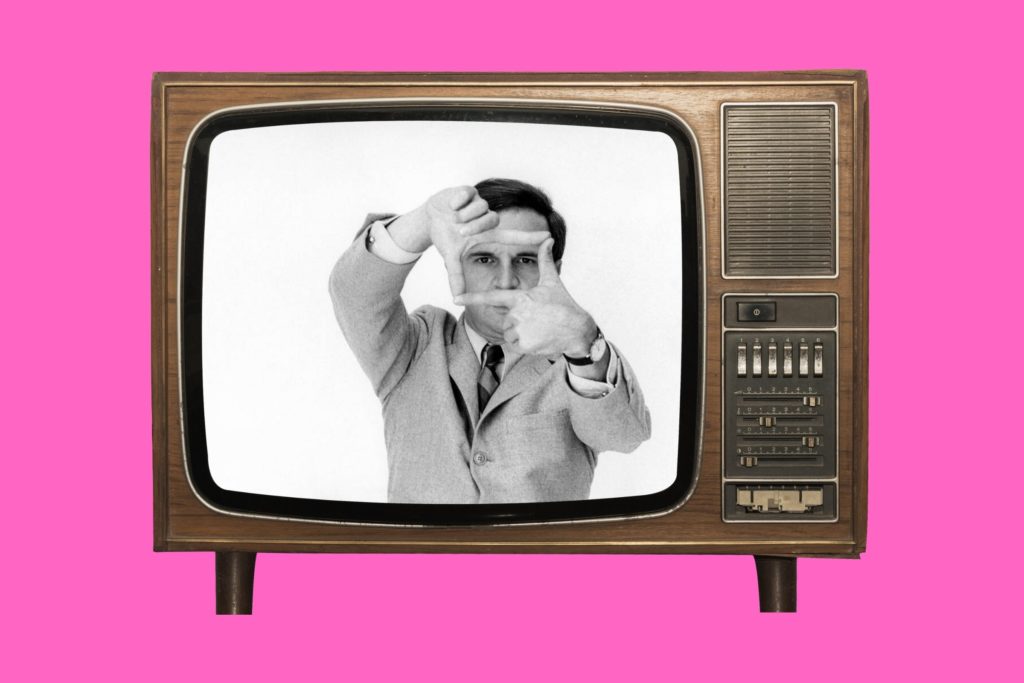
Auteur Theory itself emerged from French film criticism during the 1950s, particularly writers associated with Cahiers du Cinéma like François Truffaut. Their argument was simple but revolutionary: directors should be viewed as the true authors of films because their personality and perspective shape the finished work more than anyone else involved. Once you understand the theory, cinema becomes far richer because you start spotting recurring obsessions everywhere. Alfred Hitchock repeatedly explored voyeurism and guilt. Steven Spielberg constantly returned to themes of childhood and broken families. At the same time, Quentin Tarantino filled his films with pop culture references and explosive violence, while Wes Anderson became famous for symmetry and emotionally awkward characters. Eventually, the films start talking to one another.
Why Auteur Theory Still Matters
What I love about Auteur Theory is that it encourages you to think beyond surface-level storytelling. Why does a Scorsese film move differently from a Spielberg film? Why does a David Lynch movie feel unsettling before anything frightening has even happened? Why can you recognise a Tim Burton film within seconds? Usually, the answer lies in the personality behind the camera. Of course, filmmaking is collaborative and Auteur Theory absolutely has its critics for that reason. Cinematographers, editors, composers and actors all shape a film enormously. However, I still think the theory remains incredibly useful because it reminds us cinema can be deeply personal.
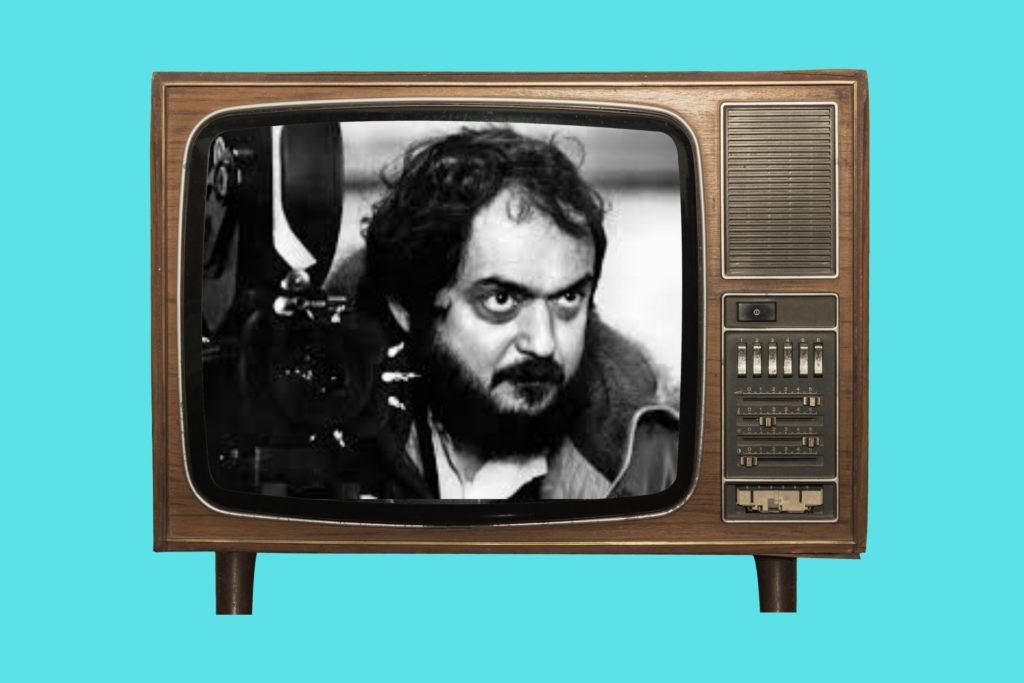
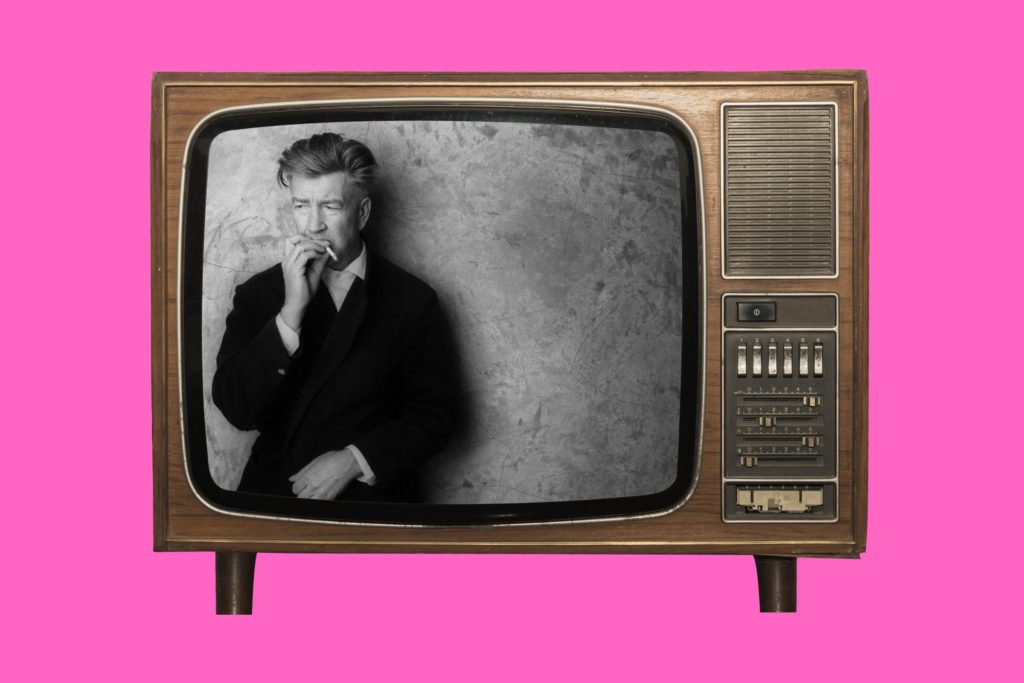
Great Directors Leave Fingerprints
That idea matters more than ever today because modern franchise filmmaking can sometimes feel strangely anonymous. So many big studio productions look and feel interchangeable. But when a genuine auteur breaks through, you can still feel it immediately. Christopher Nolan. Paul Thomas Anderson. Greta Gerwig. Jordan Peele. Denis Villeneuve. These filmmakers still bring identity and personality into mainstream cinema. Their films feel authored. And honestly, that’s one of the most exciting things about being a film fan — recognising a filmmaker’s obsessions and seeing how they evolve over time.
Why I Love Auteur Theory
For me, Auteur Theory completely transformed cinema from simple entertainment into something far more fascinating. It stopped me seeing films as isolated stories and made me start looking for connections between them. Suddenly, directors became artists with recurring ideas, visual styles and emotional fixations that evolved across entire careers. That’s why I still find the theory endlessly rewarding. Once you start recognising those cinematic fingerprints, films become richer, stranger and far more personal. And honestly, that’s when cinema really starts opening up in a completely new way.
Recommended Books
Hitchcock/Truffaut – François Truffaut
One of the greatest filmmaking books ever written and probably the perfect introduction to Auteur Theory.
Easy Riders, Raging Bulls – Peter Biskind
A hugely entertaining look at the rise of Scorsese, Coppola, Spielberg and the movie brats generation.
Adventures in the Screen Trade – William Goldman
Funny, brutally honest and brilliant for understanding the relationship between writers, directors and studios.
Lynch on Lynch – Chris Rodley
David Lynch discussing creativity, cinema and his wonderfully bizarre worldview.
Kubrick – Michael Herr
A fascinating portrait of Stanley Kubrick’s obsessive creative process.
Scorsese on Scorsese – David Thompson & Ian Christie
Essential reading on Scorsese’s films, influences and filmmaking philosophy.
The Devil’s Candy – Julie Salamon
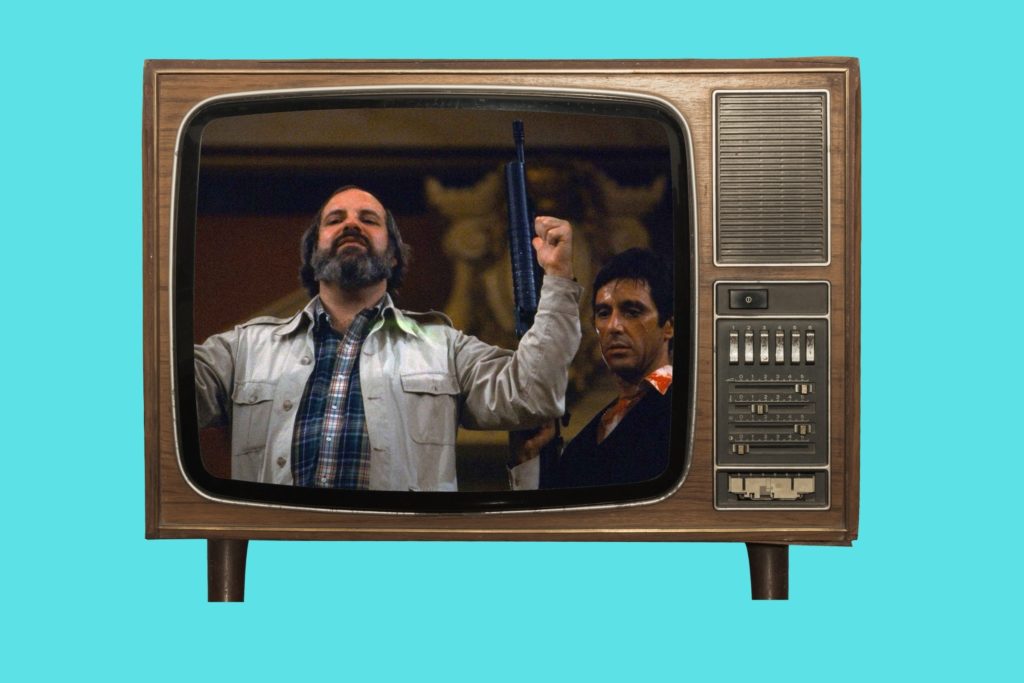
A chaotic behind-the-scenes account of Brian De Palma’s The Bonfire of the Vanities.
Scenes from a Revolution – Mark Harris
Excellent context for the moment directors became major creative voices in Hollywood.
Making Movies – Sidney Lumet
One of the clearest and most enjoyable books ever written about directing films.
Who the Devil Made It – Peter Bogdanovich
Fantastic interviews with classic Hollywood directors discussing their careers and techniques.