

Robert De Niro
Robert De Niro and the Evolution of Method Acting
Growing Up with Robert De Niro
During the 1980s, growing up watching great films, there was no other actor who could command the screen quite like Robert De Niro. His filmography was awash with must-see films and, within them, performances that redefined the profession of acting. From the raw energy of Mean Streets to the astonishing transformation of Raging Bull, De Niro seemed incapable of giving anything less than a career-defining performance. Moreover, unlike many stars of the era, he never relied on charisma alone. Instead, he immersed himself completely in every role, creating characters that felt utterly authentic. As a result, he became the benchmark against which countless actors would later be measured.
The Rise of a Cinematic Giant
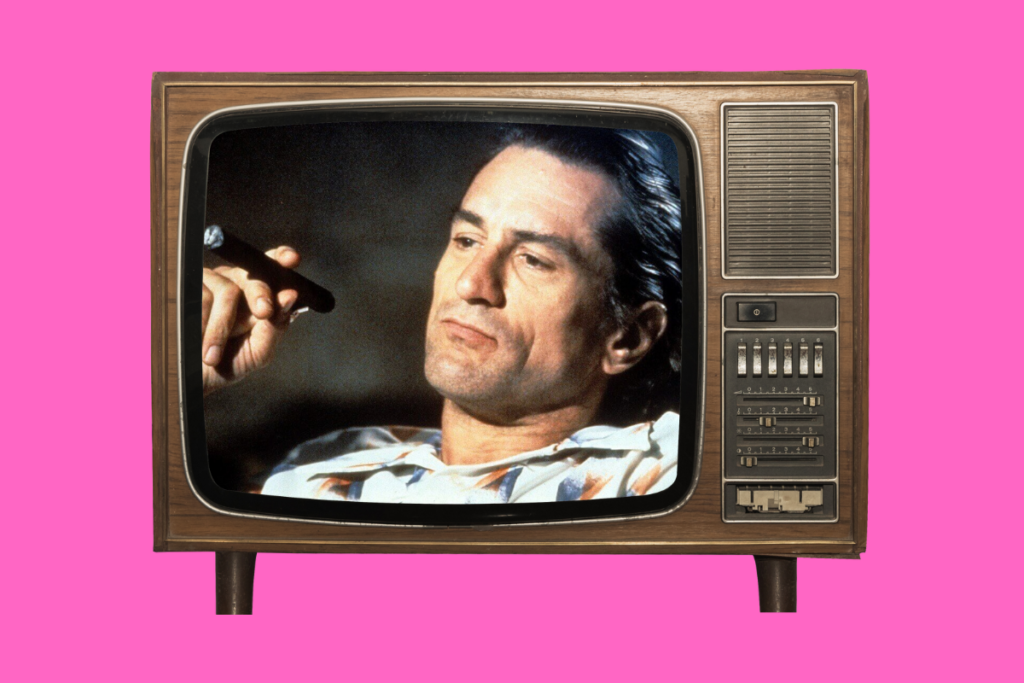
Although Mean Streets first showcased his remarkable partnership with Martin Scorsese, it was The Godfather Part II that announced De Niro as a major force in American cinema. Taking on the role of the young Vito Corleone was a daunting challenge. However, De Niro delivered a performance so nuanced and convincing that he earned an Academy Award. Soon afterwards came Taxi Driver, a film that remains one of the defining works of the New Hollywood era. His portrayal of Travis Bickle was both disturbing and heartbreaking, proving that great acting is often found in the uncomfortable spaces between heroism and madness.
A Master of Transformation
What truly separated Robert De Niro from many of his contemporaries was his commitment to transformation. For 1900, directed by Bernardo Bertolucci, he demonstrated extraordinary emotional depth, while Raging Bull pushed physical preparation to new extremes. He famously trained as a boxer and gained significant weight to portray Jake LaMotta later in life. Furthermore, he never allowed technical preparation to overshadow emotional truth. Every performance felt lived rather than performed. Consequently, audiences believed every character he played, whether he was portraying a troubled boxer, an obsessive loner or a ruthless criminal.
Beyond Gangsters and Tough Guys
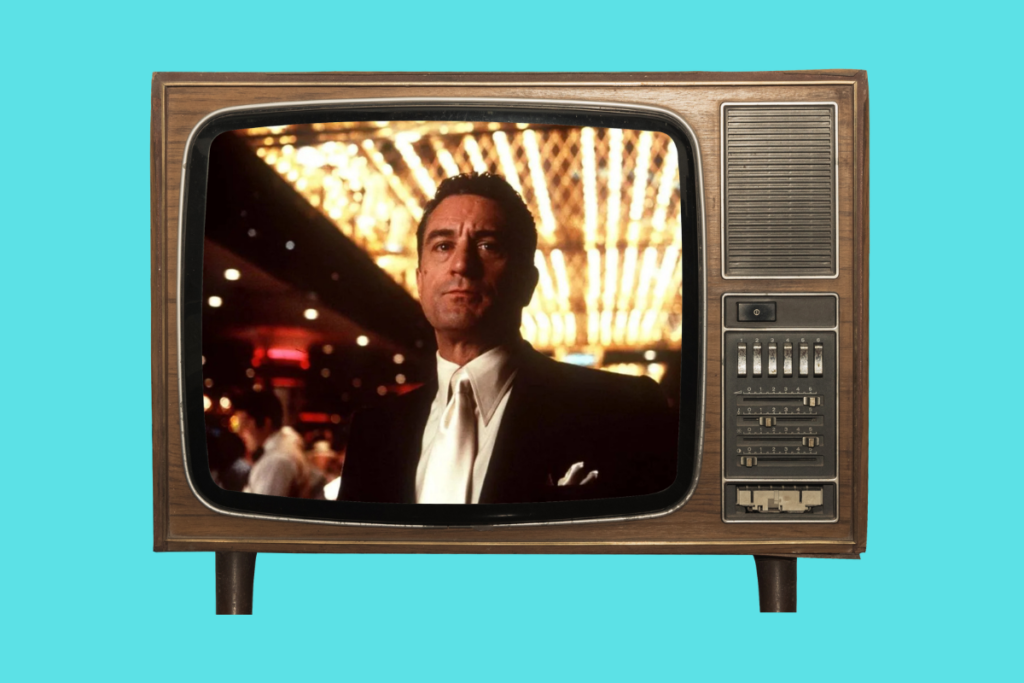
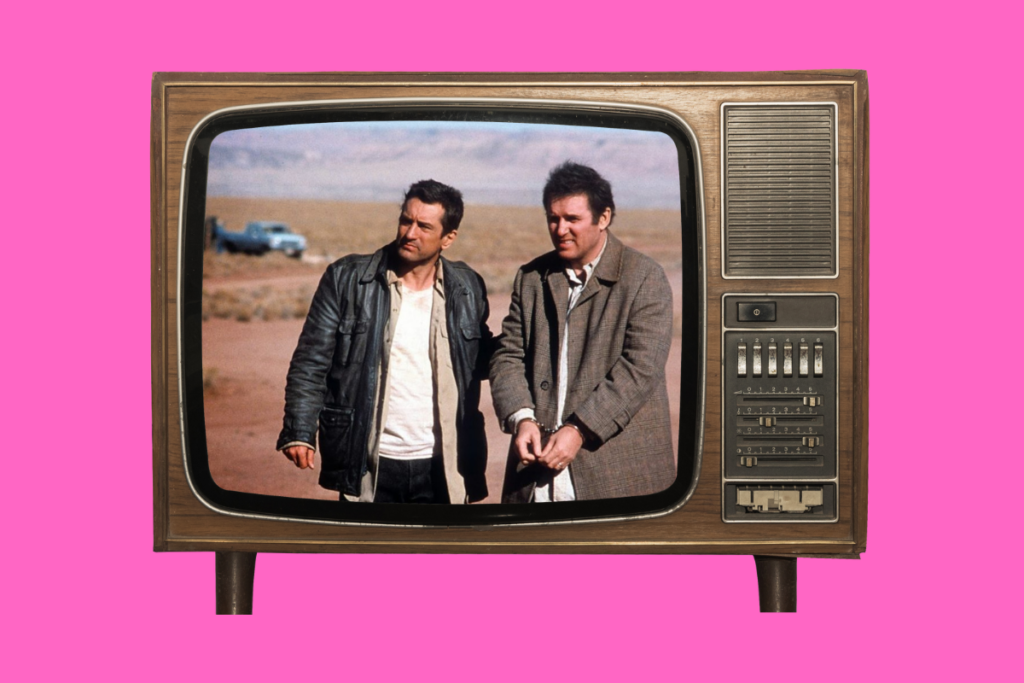
While De Niro became synonymous with crime dramas, his range extended far beyond the gangster genre. The King of Comedy revealed a performer capable of creating deeply unsettling comedy, whereas Midnight Run showcased his impeccable comic timing alongside Charles Grodin. Later, films such as Goodfellas and Casino reinforced his status as one of cinema’s most compelling screen presences. Yet even within familiar territory, he constantly found new dimensions to explore. Therefore, his performances never felt repetitive, despite often operating within similar genres.

A Bronx Tale and Lasting Influence
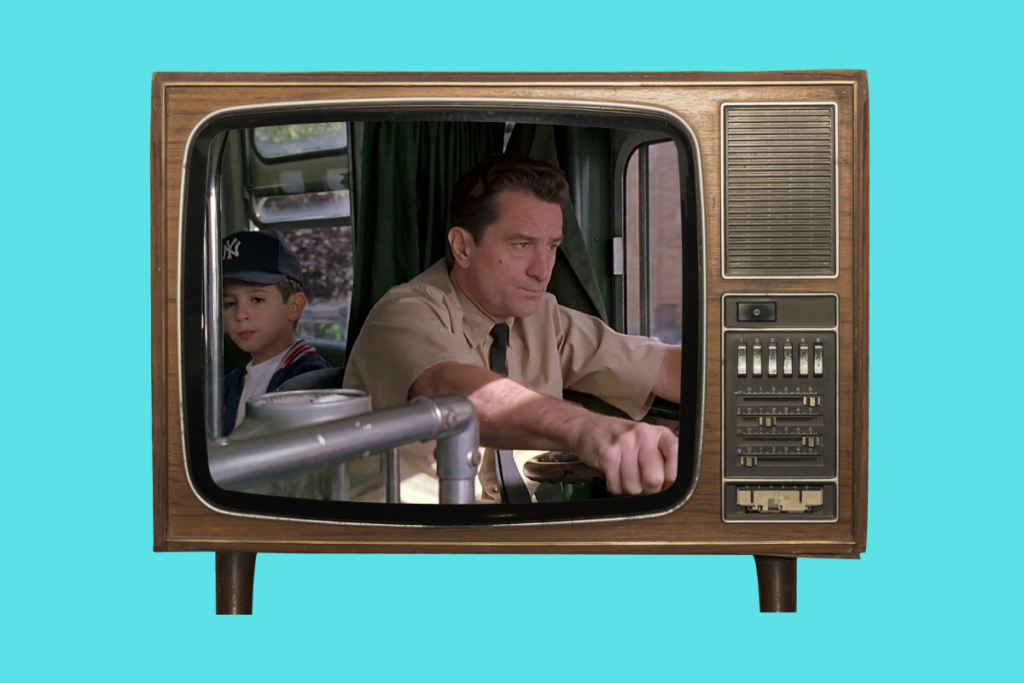
One of the most important milestones in De Niro’s career came with A Bronx Tale, his directorial debut. Not only did the film demonstrate his talent behind the camera, but it also revealed his understanding of character, storytelling and human relationships. Meanwhile, his acting career continued to evolve, allowing him to remain relevant across multiple generations of filmmakers and audiences. Today, actors such as Leonardo DiCaprio, Christian Bale and Joaquin Phoenix continue to draw inspiration from the standards De Niro established throughout his career.
Why Robert De Niro Still Matters
Few actors have left a greater mark on cinema than Robert De Niro. His collaborations with Martin Scorsese helped redefine American filmmaking, while his dedication to authenticity elevated expectations for screen acting itself. More importantly, his best performances remain as powerful today as when they first appeared. Whether revisiting Taxi Driver, Raging Bull, Goodfellas or Casino, audiences continue to discover new layers within his work. For me, De Niro remains the gold standard of modern acting — a performer whose influence extends far beyond the films he made and into the very language of cinema itself.
Recommended Books
Robert De Niro: Anatomy of an Actor — Glenn Kenny
A detailed examination of De Niro’s most important performances and artistic evolution.
Easy Riders, Raging Bulls — Peter Biskind
Essential reading about the filmmakers and actors who transformed Hollywood during the 1970s.
Scorsese on Scorsese — David Thompson & Ian Christie
A fascinating look at the director whose collaborations with De Niro changed cinema history.
The Method: How the Twentieth Century Learned to Act — Isaac Butler
An accessible exploration of Method acting and the tradition from which De Niro emerged.