Film Music
Composers
Film Composers and Their Scores – The Music That Shapes Cinema
Why Film Scores Matter
One of the things I started paying attention to properly as a teenager — usually without even realising it at first — was how much film music shaped the emotional experience of movies. Long before I understood cinematography or editing, I understood how scores made me feel. The terrifying two-note dread of Jaws. The heroic excitement of Star Wars. The haunting melancholy of The Godfather. A great film score doesn’t simply sit quietly in the background. It becomes part of the film’s DNA. In many cases, it’s impossible to separate the music from the movie itself. And honestly, once you start really listening to film scores, you never quite watch cinema the same way again.
John Williams and the Sound of Blockbuster Cinema
For my generation, John Williams was probably the gateway drug into film music obsession. His themes were everywhere during the late seventies, eighties and nineties, and they instantly made films feel larger than life. Star Wars, Indiana Jones, Jurassic Park, Superman and Harry Potter all became culturally iconic partly because Williams gave them unforgettable musical identities. What amazes me most about Williams is how simple some of his ideas actually are. The Jaws theme is basically two notes, yet somehow it remains one of the most terrifying pieces of music ever written for cinema. Meanwhile the soaring themes from Star Wars transformed a science fiction adventure into something mythic and timeless.
Ennio Morricone and the Coolest Soundtracks Ever Written
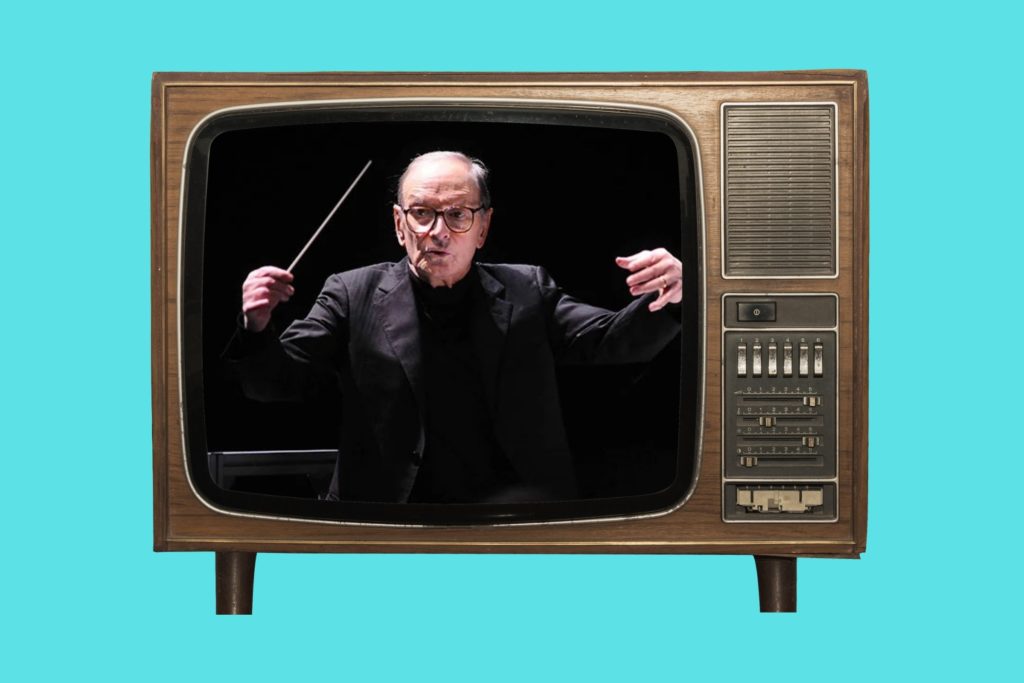
Then there’s Ennio Morricone, who completely reinvented what film music could sound like. His collaborations with Sergio Leone on Spaghetti Westerns like The Good, the Bad and the Ugly felt unlike anything Hollywood composers were doing at the time. Electric guitars, whistles, chanting, gunshots and eerie vocals suddenly became part of film scoring. Morricone’s music wasn’t just accompaniment — it practically became another character inside the films. I honestly think his scores are some of the coolest pieces of music ever written for cinema. Even people who’ve never seen a Spaghetti Western instantly recognise those sounds because Morricone’s influence spread into everything from Quentin Tarantino films to modern video games and advertising.
Bernard Herrmann, Hitchcock and Psychological Fear
Few composers understood psychological tension better than Bernard Herrmann. His collaborations with Alfred Hitchcock helped redefine suspense cinema forever. The shrieking violins in Psycho remain one of the most famous horror cues in film history because the music itself feels violent and unsettling. Herrmann also created astonishing scores for Vertigo, North by Northwest and later Taxi Driver, where melancholy jazz and creeping unease perfectly reflected Travis Bickle’s fractured mental state. What I love about Herrmann’s work is how deeply emotional it feels without becoming sentimental. His scores often sound lonely, obsessive and psychologically unstable, which is exactly why they remain so powerful.
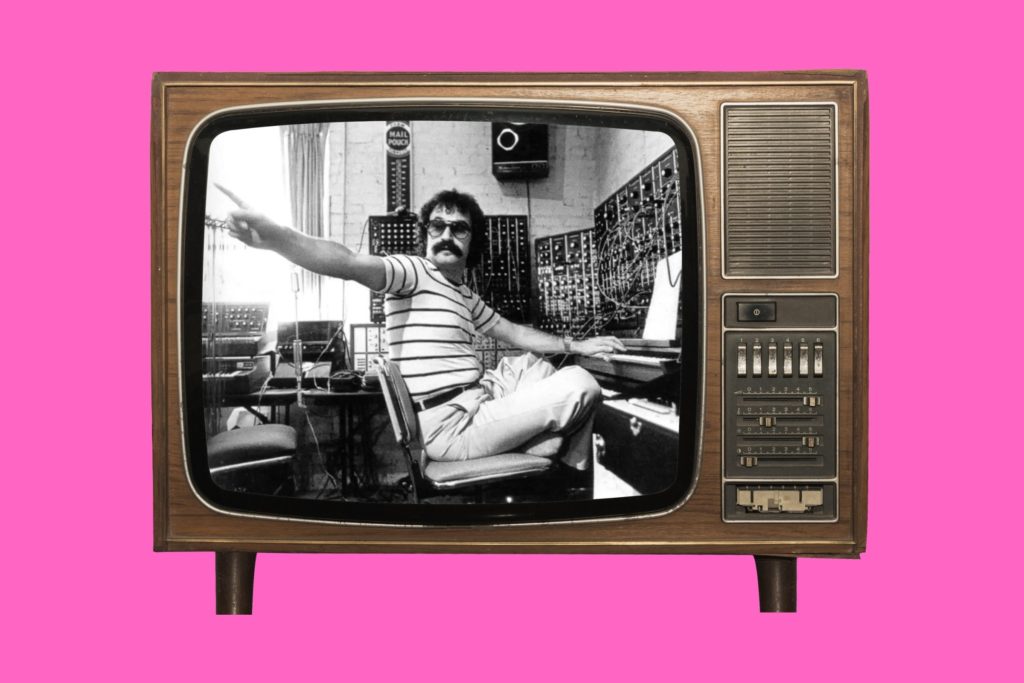
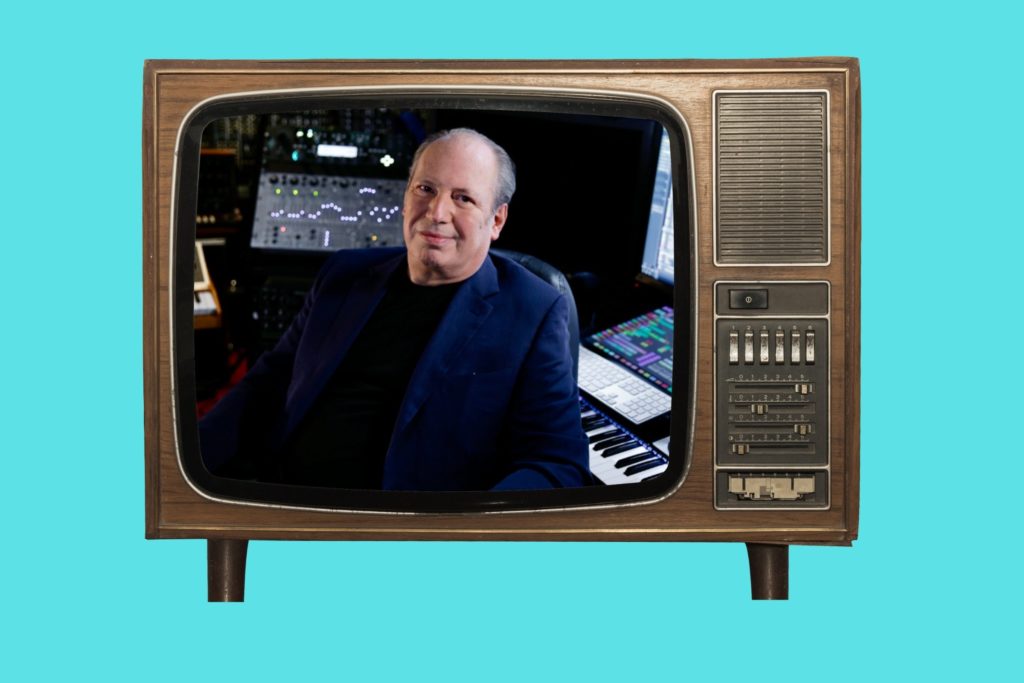
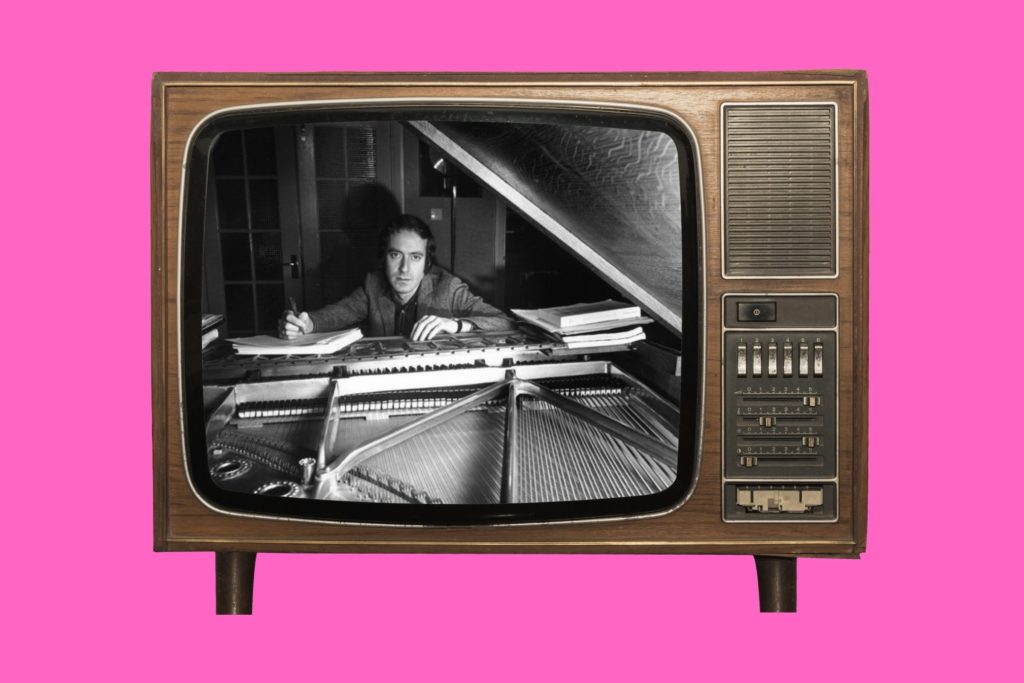
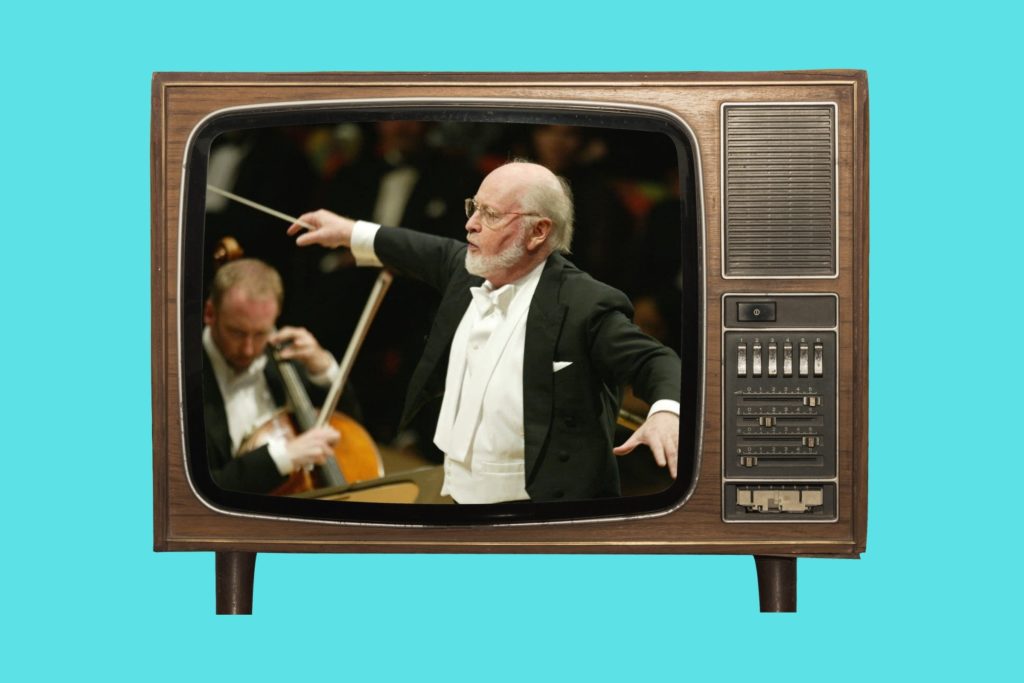
Hans Zimmer and Modern Film Music
Modern blockbuster cinema changed dramatically once Hans Zimmer arrived. Zimmer helped push film music towards a bigger, more immersive sound by blending orchestral arrangements with electronic textures and powerful bass-heavy sound design. Films like The Dark Knight, Inception, Gladiator and Interstellar feel enormous partly because of Zimmer’s music. His influence on modern trailers and blockbuster scoring is absolutely massive. Sometimes I think entire generations of action and superhero films are still trying to imitate the “BRAAAM” sound popularised by Zimmer during the Inception era. But beneath the spectacle, Zimmer also understands emotion remarkably well, especially in quieter scores like Interstellar, where the music becomes deeply melancholic and strangely spiritual.
Why Film Composers Still Matter
What fascinates me most about film composers is how invisible their work can sometimes become despite being absolutely essential to cinema. A great score shapes emotion subconsciously. It tells audiences when to feel fear, sadness, excitement or nostalgia often before the characters even speak. Whether it’s the orchestral grandeur of John Williams, the experimentation of Morricone, the psychological intensity of Herrmann or the modern power of Hans Zimmer, film music remains one of cinema’s most important storytelling tools. And honestly, some of my favourite movie moments wouldn’t affect me half as much without the music behind them. Great film composers don’t just support films — they help create the magic.
Recommended Books on Film Music
Tunes for ’Toons — Daniel Goldmark & Yuval Taylor
A hugely entertaining look at cartoon and film music packed with personality and trivia.
The Soundtrack Album: Listening to Media — Paul N. Reinsch
Accessible exploration of soundtrack music and its evolution across modern media.
John Williams: A Composer’s Life — Tim Greiving
Excellent biography full of behind-the-scenes stories about one of cinema’s greatest composers.
A Heart at Fire’s Center: The Life and Music of Bernard Herrmann — Steven C. Smith
A brilliant and highly readable biography of the composer behind Psycho and Taxi Driver.
Ennio Morricone: In His Own Words — Alessandro De Rosa
Insightful conversations about music, creativity and cinema with Morricone himself.