

Jim Jarmusch
Jim Jarmusch – The Original Indie King of American Cinema
My Introduction to Jim Jarmusch
I’ve always had a soft spot for anthology films. Whether it’s horror anthologies, crime stories or character-driven portmanteau movies, there’s something I love about seeing multiple stories woven together into a single film. That’s exactly how I discovered Jim Jarmusch. My first encounter with his work was Night on Earth (1991), his wonderfully offbeat collection of taxi journeys taking place across five different cities during a single night. It was funny, melancholic, quirky and unlike anything else I was watching at the time. As soon as the credits rolled, I wanted to see more. That curiosity quickly led me towards Stranger Than Paradise, Down by Law and Mystery Train, and before long I realised I was watching one of the most important figures in American independent cinema.
Jim Jarmusch and the Rise of American Independent Film
When people discuss the history of American independent cinema, names like Spike Lee, John Waters and Jim Jarmusch always rise to the surface. Long before independent filmmaking became fashionable, Jarmusch was proving that personal stories could thrive outside the Hollywood system. His breakthrough film, Stranger Than Paradise (1984), became a landmark moment for indie cinema. Shot in black and white and built around seemingly aimless characters, it demonstrated that audiences would embrace films driven by atmosphere, personality and originality rather than conventional storytelling. Alongside filmmakers such as Spike Lee, Jarmusch helped create a path that later directors including Richard Linklater, Kevin Smith and Steven Soderbergh would follow throughout the 1990s indie film boom.
The Unique Style of Jim Jarmusch
One of the reasons Jim Jarmusch films remain so distinctive is that nobody else really makes movies quite like them. His characters drift through life rather than race towards goals. Conversations meander. Silences matter. Music plays a crucial role. Films such as Down by Law (1986) and Mystery Train (1989) perfectly capture this style. They are funny, strange and deeply human all at the same time. Jarmusch has an incredible ability to find beauty in everyday moments, turning ordinary encounters into something quietly profound. Watching one of his films often feels less like following a plot and more like spending time in a world that operates according to its own unique rhythm.
Genre Films Through the Jarmusch Lens
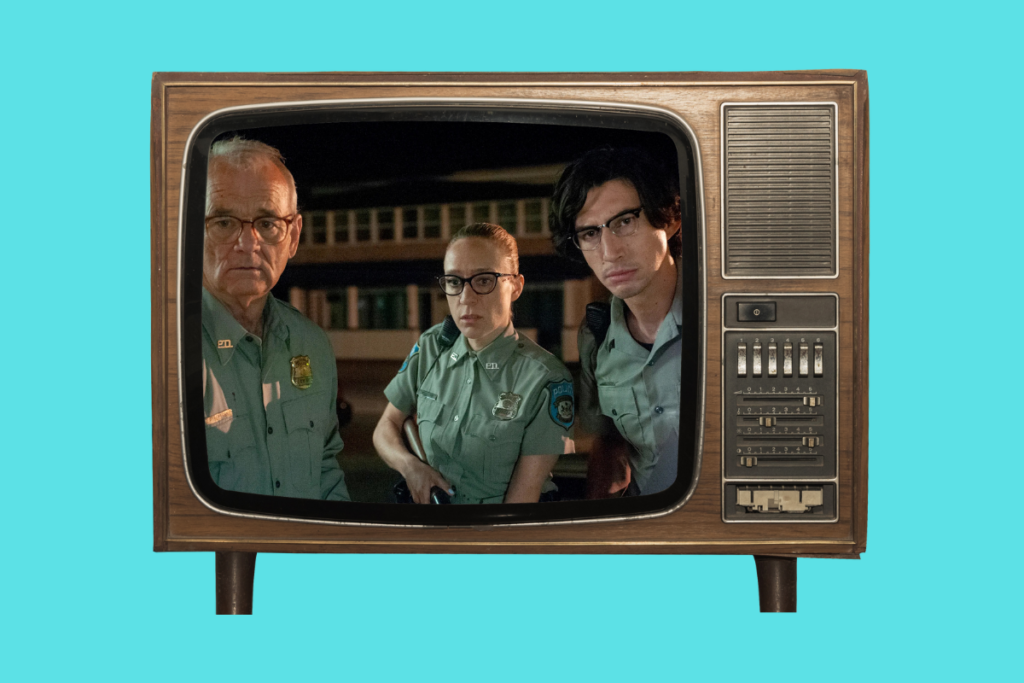
What fascinates me most about Jim Jarmusch is his ability to take familiar genres and completely reinvent them. On paper, Ghost Dog: The Way of the Samurai (1999) is a hitman movie. In reality, it’s a philosophical meditation on honour, loneliness and friendship. Only Lovers Left Alive (2013) is technically a vampire film, yet it plays more like a wistful love story about art, culture and immortality. Then there’s The Dead Don’t Die (2019), which transforms a zombie apocalypse into a deadpan comedy about consumerism and environmental collapse. Jarmusch never approaches genre material in a conventional way. Instead, he filters everything through his own quirky, thoughtful and unmistakably independent perspective.





Music, Influences and Cultural Cool
Music runs through Jim Jarmusch’s work like a heartbeat. Whether it’s the blues influences of Mystery Train, the hip-hop-infused world of Ghost Dog or his collaborations with musicians such as Tom Waits, Iggy Pop and members of his own band SQÜRL, music is central to his creative identity. His filmmaking also reflects influences from international cinema, particularly the work of Japanese filmmaker Yasujiro Ozu and French and European art-house traditions. Yet Jarmusch never feels derivative. He absorbs influences and transforms them into something entirely his own. That unique blend of cinema, literature, music and counterculture has helped make him one of the coolest and most influential filmmakers of the last forty years.
The Legacy of Jim Jarmusch
The legacy of Jim Jarmusch extends far beyond his own films. He helped redefine what American independent cinema could be and inspired generations of filmmakers to embrace personal storytelling over commercial formulas. You can see traces of his influence in directors such as Richard Linklater, Sofia Coppola, Wes Anderson and countless others. More importantly, Jarmusch has remained fiercely independent throughout his career, refusing to chase trends or compromise his artistic voice. From Stranger Than Paradise and Down by Law to Ghost Dog and Only Lovers Left Alive, his films continue to remind us that cinema can be funny, thoughtful, unconventional and completely original. In an increasingly homogenised industry, Jim Jarmusch remains one of the great cinematic outsiders.
Recommended Reading
If you want to dive deeper into the world of Jim Jarmusch, these books are insightful, entertaining and highly readable.
Jim Jarmusch: Music, Words and Noise – Sergio Mims & Steven Jenkins
A fantastic collection of interviews and essays exploring Jarmusch’s films, influences and creative process.
Jarmusch Interviews – Edited by Ludvig Hertzberg
One of the best ways to understand how Jarmusch thinks about filmmaking and creativity.
Down and Dirty Pictures – Peter Biskind
A hugely entertaining account of the American independent film explosion that Jarmusch helped inspire.
Easy Riders, Raging Bulls – Peter Biskind
While focused on New Hollywood, it provides valuable context for the independent spirit that filmmakers like Jarmusch inherited.