Alfred Hitchcock
Alfred Hitchcock Explained: The Master of Suspense
How Alfred Hitchcock Taught Me About Direction
Like so many film fans of my generation, my introduction to Alfred Hitchcock came through late-night television. His films always seemed to carry an aura of importance. Even before I understood concepts like camera placement or editing, Hitchcock made me aware of direction itself. Watching films such as Rear Window, Vertigo and Psycho, I realised somebody behind the camera was carefully controlling every emotion I felt. Hitchcock didn’t simply tell stories; he manipulated tension with the precision of a magician, and that was my first real lesson in what great filmmaking looked like.
The British Films That Built a Master
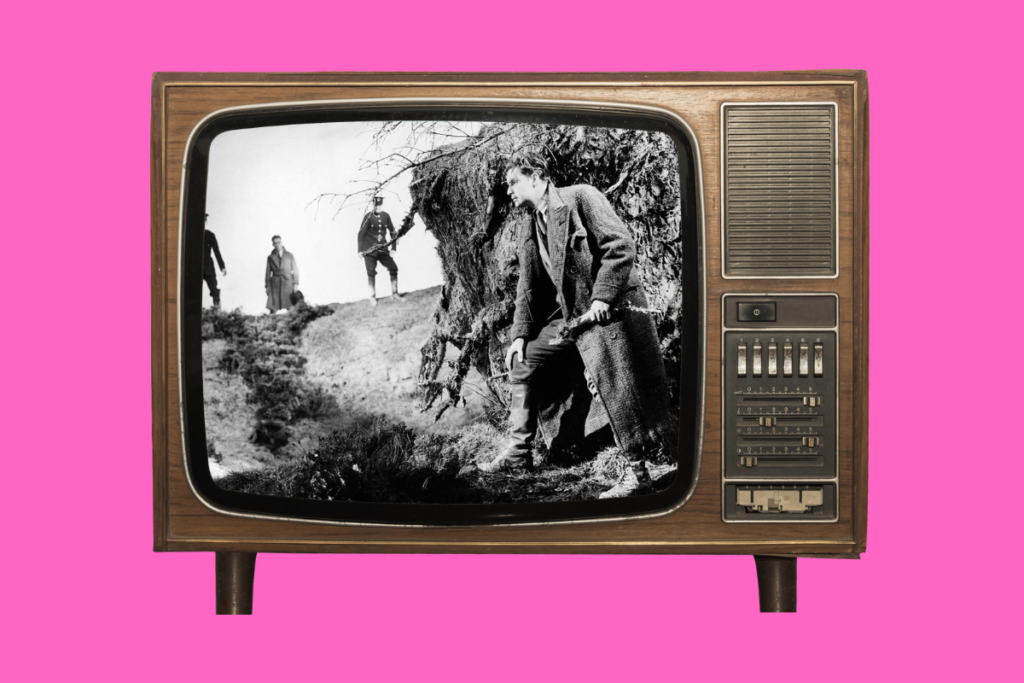
Before conquering Hollywood, Alfred Hitchcock established himself in Britain with a remarkable run of thrillers that already contained many of his signature themes. Films like The Lodger, The 39 Steps and The Lady Vanishes introduced wrongly accused heroes, ordinary people thrust into extraordinary danger and suspense built through visual storytelling rather than dialogue. Having started during the silent era, Hitchcock understood that cinema was primarily a visual medium. Even today, these early British films remain hugely entertaining and offer a fascinating glimpse of a director discovering the techniques he would later perfect.
Rebecca and the Road to Hollywood
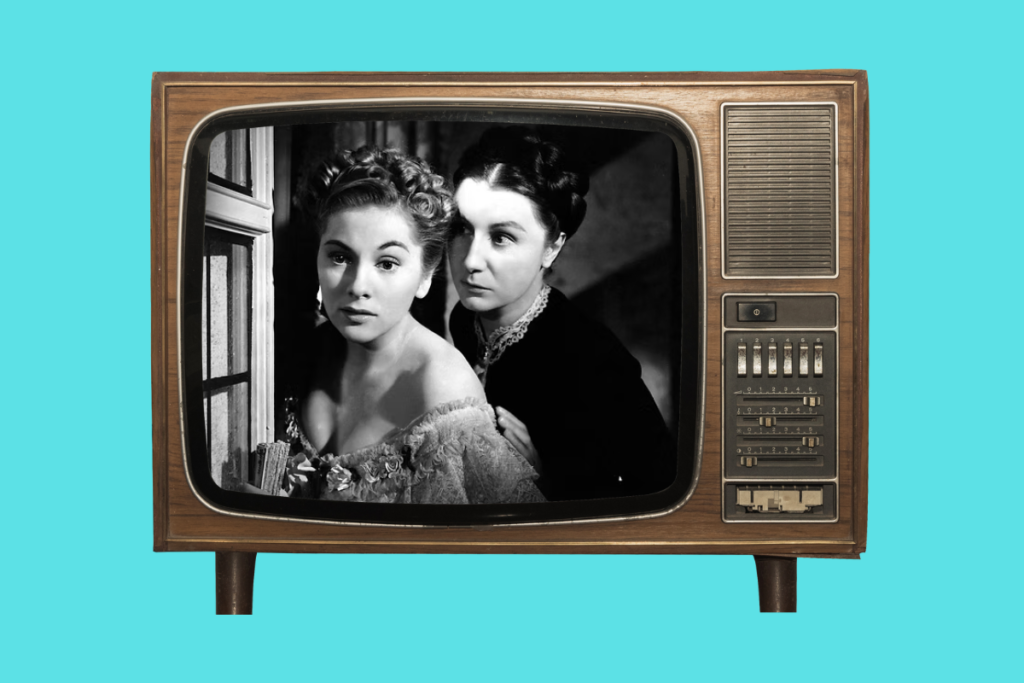
When Hitchcock arrived in Hollywood, he quickly became much more than a director. He became a brand. His first American film, Rebecca, won the Academy Award for Best Picture and demonstrated his ability to blend romance, mystery and psychological tension. Over the following two decades, Hitchcock produced an extraordinary run of classics, but what impresses me most is how varied they are. Whether he was making gothic melodrama, espionage thrillers or psychological mysteries, every film still felt unmistakably Hitchcockian. Few directors have ever developed such a recognisable cinematic voice.
Rear Window, Vertigo and North by Northwest
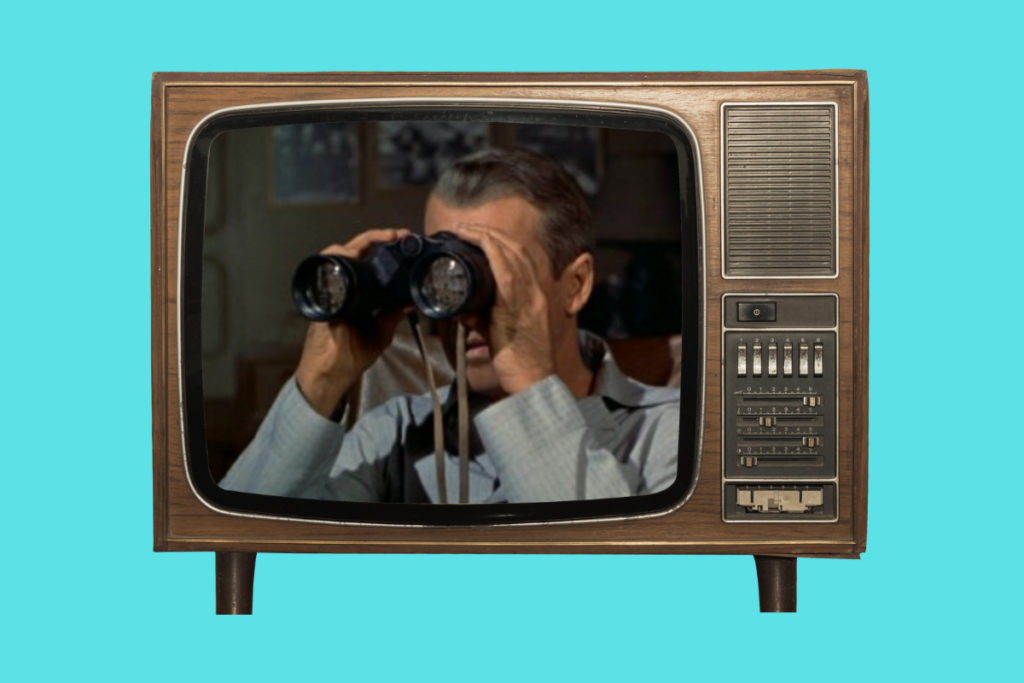
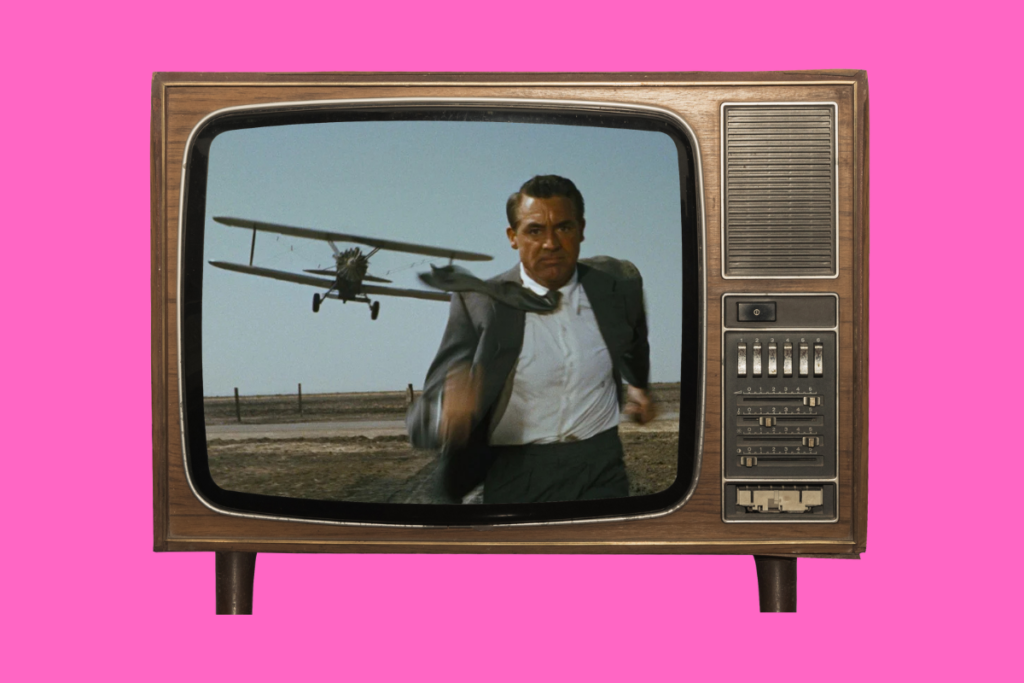
If someone asked me where to start with Hitchcock, I’d probably point them towards Rear Window, Vertigo and North by Northwest. Rear Window is a brilliant examination of voyeurism and arguably the perfect film about watching films. Vertigo takes a darker turn, exploring obsession, fantasy and identity through some of the most beautiful imagery ever committed to film. Meanwhile, North by Northwest showcases Hitchcock at his most entertaining, delivering humour, romance and suspense in a package that still feels fresh more than sixty years later. Together, these films represent the absolute peak of classic thriller cinema.
Psycho, The Birds and the Darker Side of Hitchcock
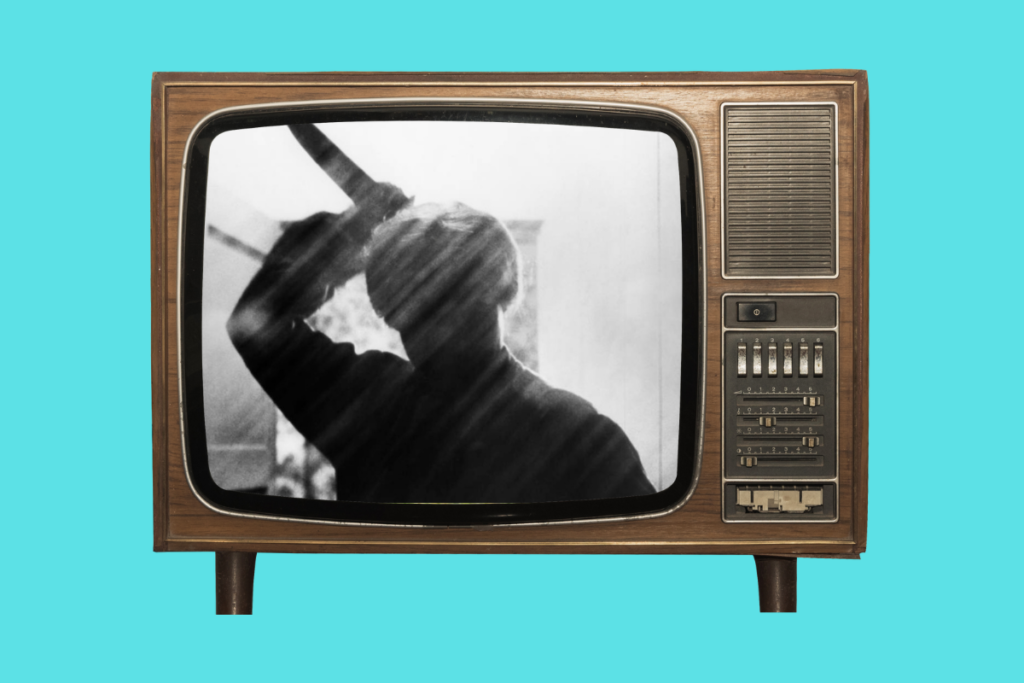
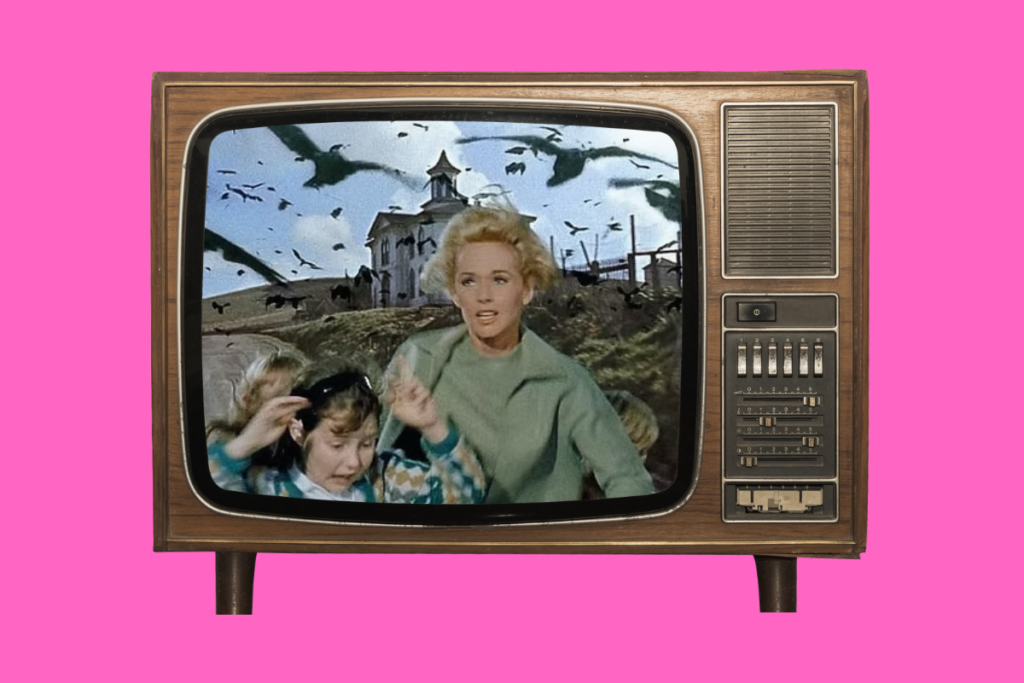
By the 1960s, Hitchcock was still reinventing himself. Psycho changed horror cinema forever by shattering audience expectations and introducing one of the genre’s most memorable villains in Norman Bates. The infamous shower scene remains iconic, but the film’s real achievement is its ability to make audiences feel constantly unsettled. Hitchcock followed it with The Birds, another masterpiece that transformed an everyday sight into a source of pure terror. Decades later, both films remain hugely influential and demonstrate why Hitchcock is still regarded as the Master of Suspense.
Frenzy and Hitchcock’s Last Great Thriller
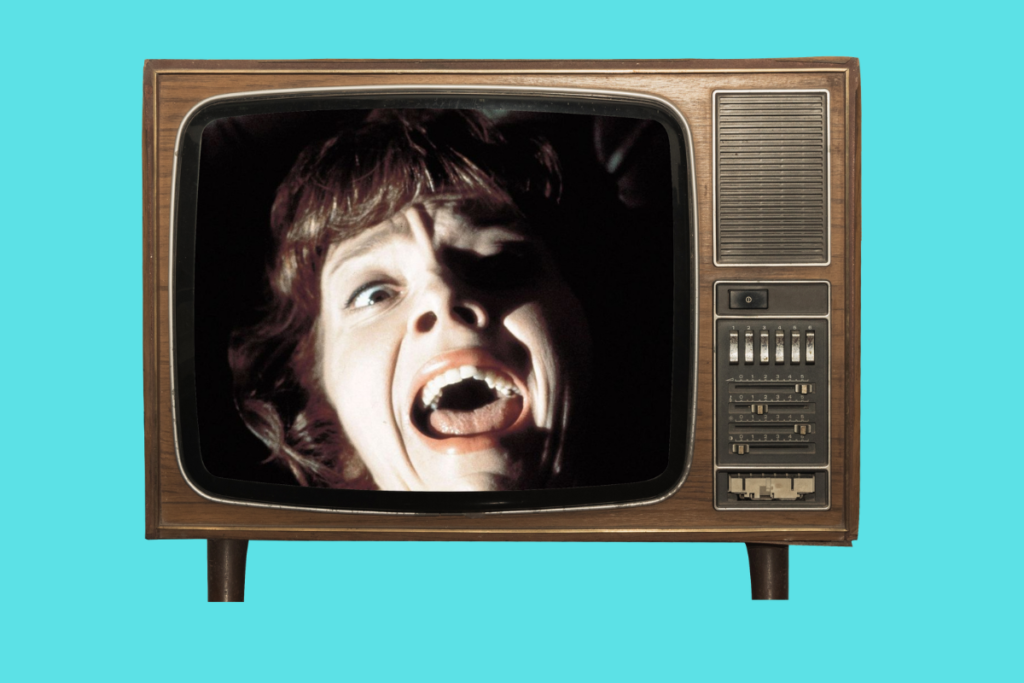
One Hitchcock film that often gets overlooked is Frenzy. Released in 1972, it marked a return to London and allowed Hitchcock to revisit many of the themes that had fascinated him throughout his career. Darker, more cynical and surprisingly brutal for its time, Frenzy feels like a bridge between classic Hitchcock and the modern thriller. Looking back across his career, what strikes me most is how contemporary his films still feel. The suspense, the pacing and the psychological insight remain astonishingly effective. Alfred Hitchcock didn’t simply influence thriller cinema; he helped invent its language.
Hitchcock’s Lasting Legacy
Alfred Hitchcock’s influence on cinema is almost impossible to overstate. Nearly every modern thriller owes him a debt, whether consciously or otherwise. Steven Spielberg often cited Hitchcock as a major inspiration, particularly when it came to building suspense and controlling audience emotion through visual storytelling. Brian De Palma took Hitchcock’s themes of voyeurism, obsession and mistaken identity and made them central to films such as Dressed to Kill and Body Double. Meanwhile, Italian horror maestro Dario Argento borrowed Hitchcock’s meticulous camera work, elaborate set-pieces and fascination with ordinary people caught in extraordinary situations, helping shape the giallo genre in the process. Even today, directors such as Christopher Nolan, David Fincher and Guillermo del Toro continue to draw from Hitchcock’s cinematic playbook. The remarkable thing is that his films never feel like museum pieces. Rear Window, Vertigo, Psycho and North by Northwest remain as gripping and influential now as they were decades ago. Hitchcock didn’t simply master suspense; he created the language that filmmakers still use to build it.
Recommended Hitchcock Books
These are the Hitchcock books I’d recommend to film fans who want entertaining stories and fascinating insights rather than dense academic analysis.
Hitchcock/Truffaut — François Truffaut
The greatest filmmaking conversation ever published. Essential reading and surprisingly accessible.
The Dark Side of Genius — Donald Spoto
A hugely readable and often controversial biography that explores both Hitchcock’s genius and his flaws.
Alfred Hitchcock: A Life in Darkness and Light — Patrick McGilligan
Comprehensive but highly engaging, packed with great stories from Hitchcock’s career.
The Moment of Psycho — David Thomson
A fascinating deep dive into Psycho and its lasting impact on cinema.
Spellbound by Beauty — Donald Spoto
An enjoyable look at Hitchcock’s fascination with his leading ladies and how they shaped his films.
All About Hitchcock — François Truffaut
A shorter, lighter companion volume filled with observations and anecdotes about the director.
Hitchcock and Selznick — Leonard J. Leff
A wonderfully entertaining look at Hitchcock’s often turbulent relationship with producer David O. Selznick.