Movie Brats
The Movie Brats – When Film School Rebels Took Over Hollywood
How I Discovered the Movie Brats
Long before I knew the term Movie Brats, I was already watching their films. Growing up in the late 1970s and early 1980s, certain movies seemed to dominate playground conversations and video shop shelves. Jaws, Taxi Driver, The Godfather, Carrie and The Exorcist felt different from the films that came before them. They were bolder, darker and far more personal. As I started reading film magazines and books, I realised many of these classics were connected by a generation of young directors who genuinely loved cinema. They weren’t studio executives in suits. They were film obsessives who had somehow been handed the keys to Hollywood.
The Movie Brats Revolution
The rise of the Movie Brats came at exactly the right time. By the end of the 1960s, the old Hollywood studio system was running out of ideas and younger audiences wanted something more relevant. Directors such as Francis Ford Coppola, Martin Scorsese, Steven Spielberg, Brian De Palma, Peter Bogdanovich and William Friedkin arrived armed with film-school knowledge and a passion for everything from Hitchcock and John Ford to Fellini and Kurosawa. Their films combined artistic ambition with mainstream appeal. Suddenly, American cinema felt dangerous, exciting and unpredictable again.
The Films That Changed Hollywood
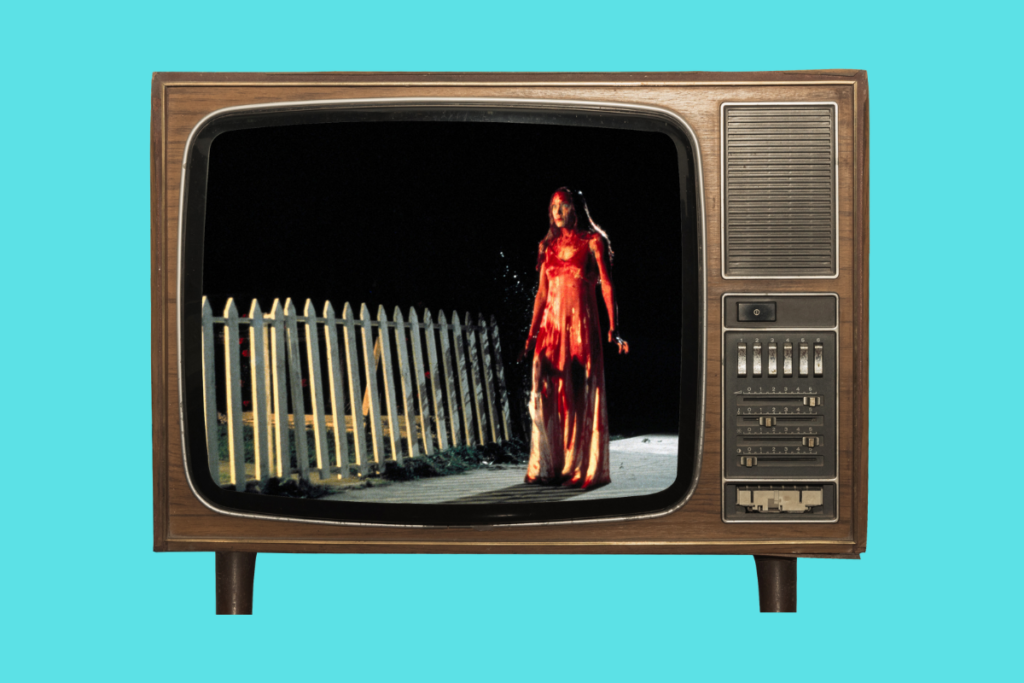
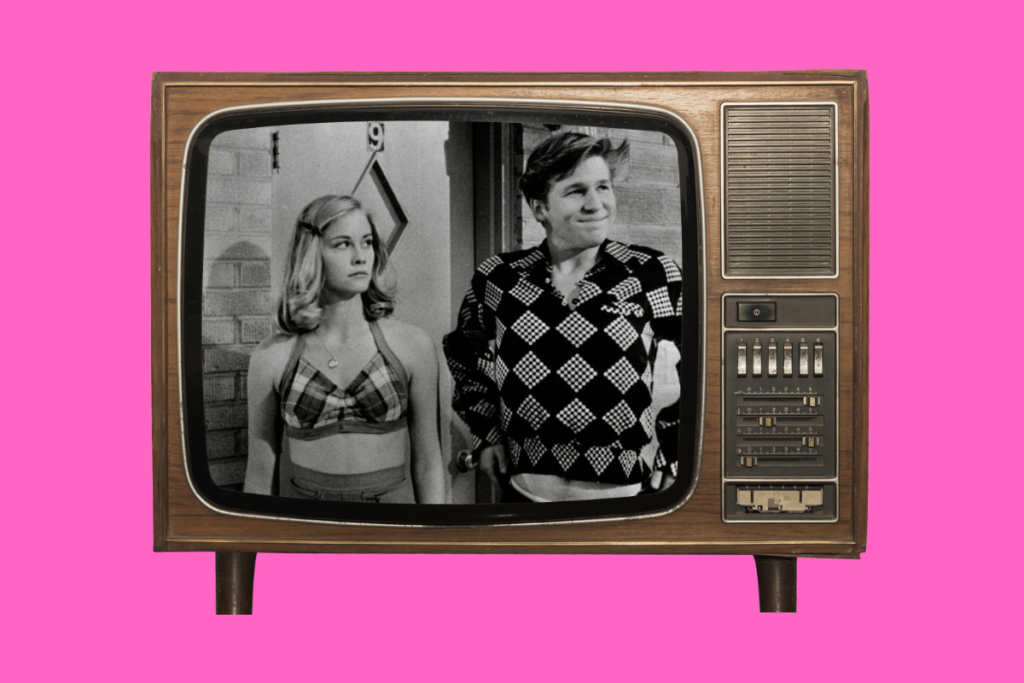
The Movie Brats produced some of the greatest films ever made. Coppola elevated gangster cinema with The Godfather. Friedkin shocked audiences with The Exorcist, still one of the most unsettling horror films ever created. Scorsese’s Taxi Driver captured the paranoia and alienation of 1970s America, while Spielberg’s Jaws effectively invented the modern blockbuster. Peter Bogdanovich’s The Last Picture Show proved that deeply personal storytelling could thrive in mainstream cinema, and Brian De Palma’s Carrie transformed Stephen King’s novel into a stylish and emotionally devastating horror classic. These films weren’t simply successful; they redefined what Hollywood could be.
When Success Became a Problem
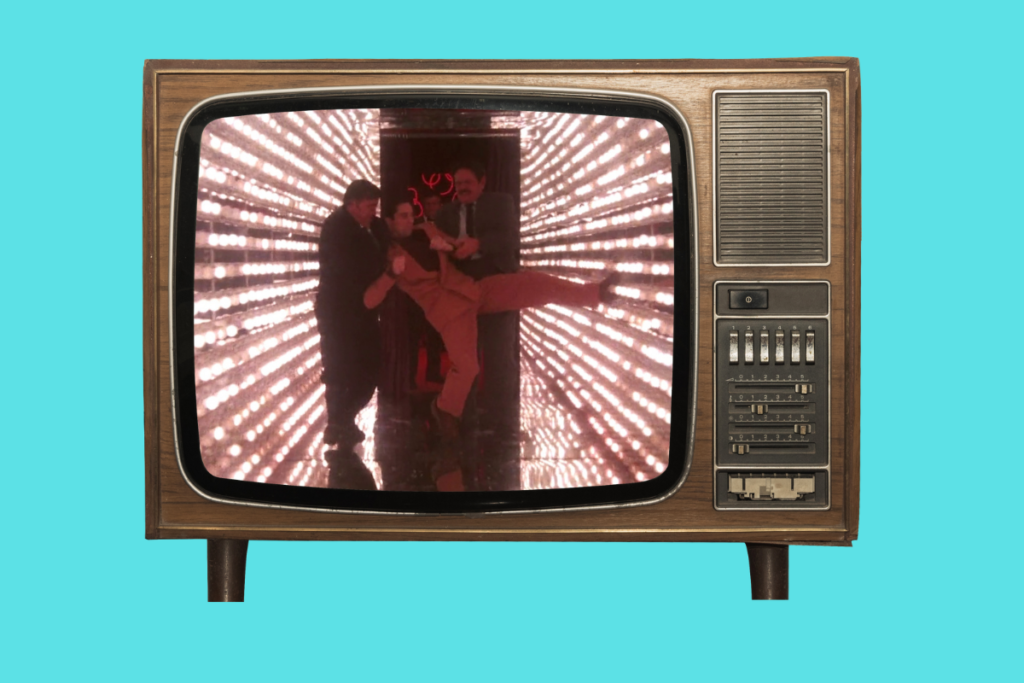
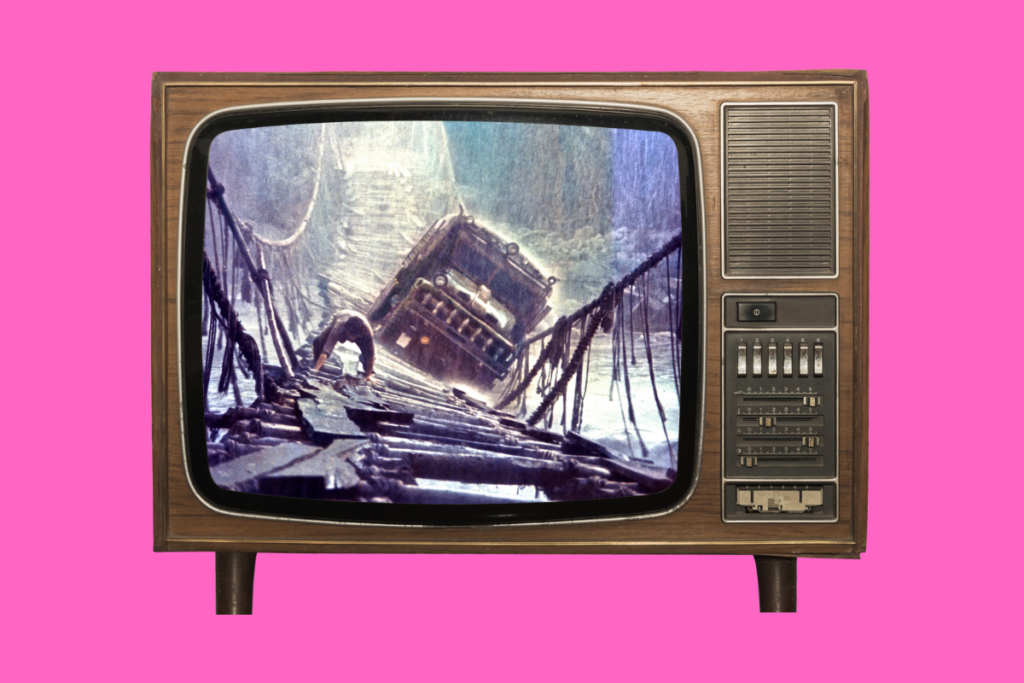
The irony is that the success of the Movie Brats sometimes became their greatest weakness. Studios gave these young directors unprecedented freedom, and occasionally that freedom led to excess. Coppola nearly destroyed himself making the chaotic masterpiece Apocalypse Now. Friedkin followed The Exorcist with the brilliant but commercially disastrous Sorcerer. Scorsese’s lavish musical New York, New York struggled to find an audience. Spielberg’s comedy 1941 remains one of the few genuine misfires of his career. Bogdanovich stumbled with Daisy Miller, while Michael Cimino’s infamous Heaven’s Gate became a symbol of Hollywood excess. In many cases, huge success led to inflated egos and productions that spiralled out of control.
The End of an Extraordinary Era
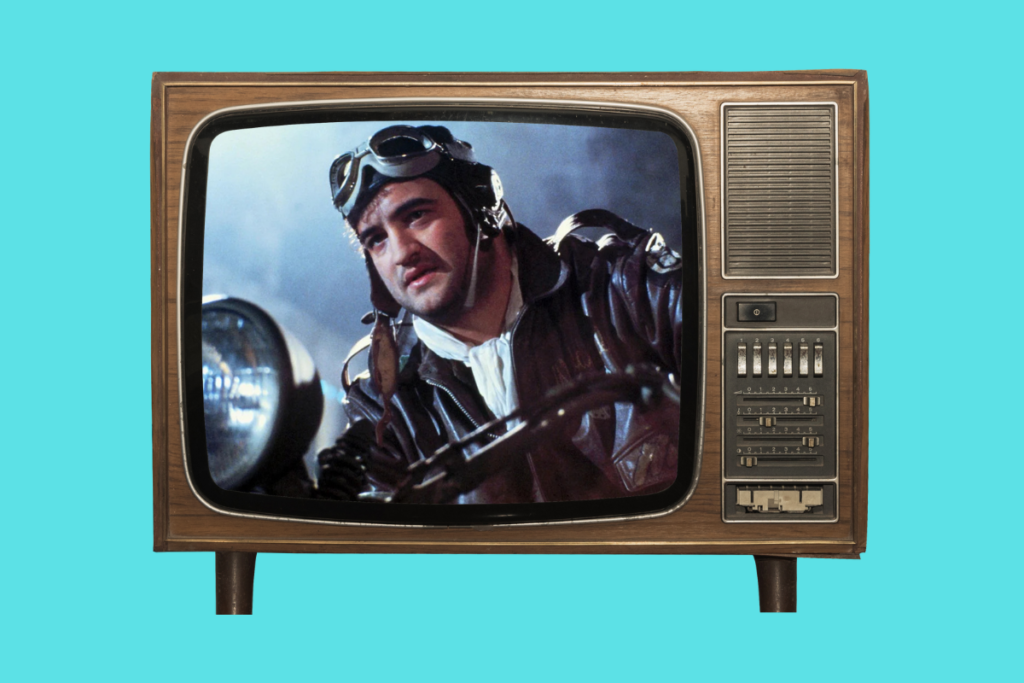
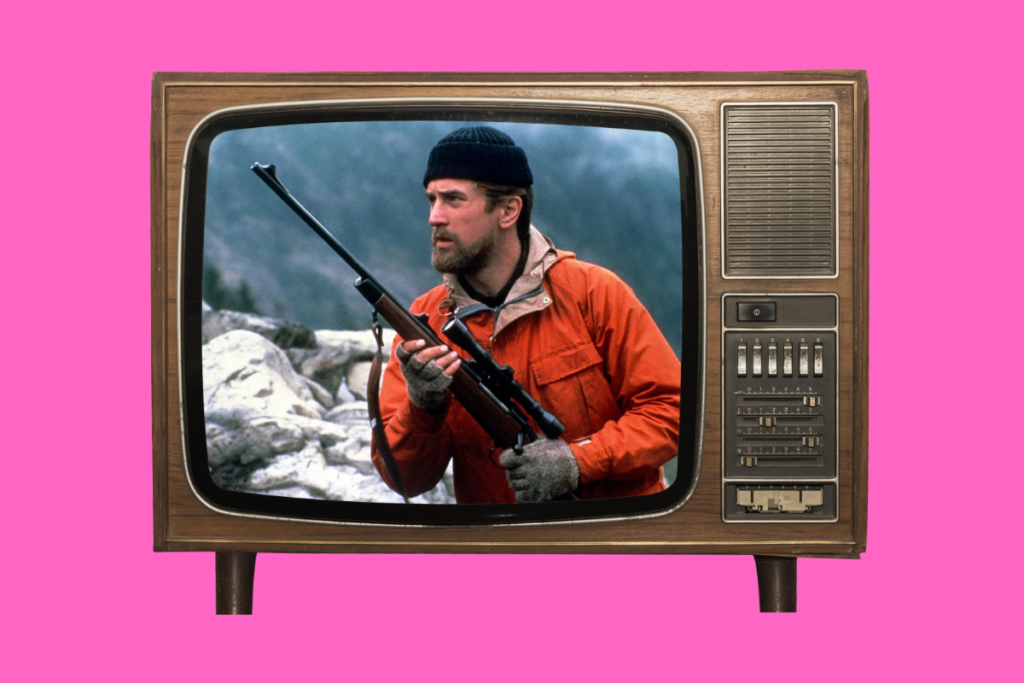
By the early 1980s, the Movie Brats era was beginning to fade. Ironically, Spielberg and George Lucas helped create the blockbuster model that eventually reduced the creative freedom enjoyed by their generation. Studios became increasingly focused on franchises, merchandise and guaranteed profits. The risk-taking atmosphere that produced films like Taxi Driver, The Last Picture Show and The Deer Hunter gradually disappeared. Yet for one remarkable decade, filmmakers were allowed to make ambitious, personal films aimed at adults rather than focus groups.
The Lasting Legacy of the Movie Brats
The influence of the Movie Brats can still be seen everywhere. Quentin Tarantino’s encyclopaedic film knowledge feels like a direct continuation of their cinephile approach. Christopher Nolan’s blend of spectacle and seriousness owes much to Spielberg and Coppola. Directors such as Paul Thomas Anderson, David Fincher and Damien Chazelle continue to work in a landscape shaped by the innovations of the 1970s. What I love most about the Movie Brats is that they never lost their enthusiasm for cinema itself. They approached filmmaking as fans first and directors second. That passion shines through every frame and remains their greatest legacy.
Recommended Books
These are entertaining, accessible and packed with great stories rather than dry film theory:
Easy Riders, Raging Bulls — Peter Biskind
The definitive account of the Movie Brats era. Wild, chaotic and endlessly entertaining.
Pictures at a Revolution — Mark Harris
A brilliant look at the films that changed Hollywood forever.
The Kid Stays in the Picture — Robert Evans
One of the funniest and most outrageous Hollywood memoirs ever written.
Cinema Speculation — Quentin Tarantino
A passionate love letter to the films and filmmakers of the 1970s.
The Jaws Log — Carl Gottlieb
An absolutely wonderful behind-the-scenes account of how Spielberg accidentally created the modern blockbuster.
Adventures in the Screen Trade — William Goldman
Sharp, funny and full of insider stories from one of Hollywood’s greatest screenwriters.