Ennio Morricone
Ennio Morricone and the Sound of Cinema
The Composer Who Changed Film Music Forever
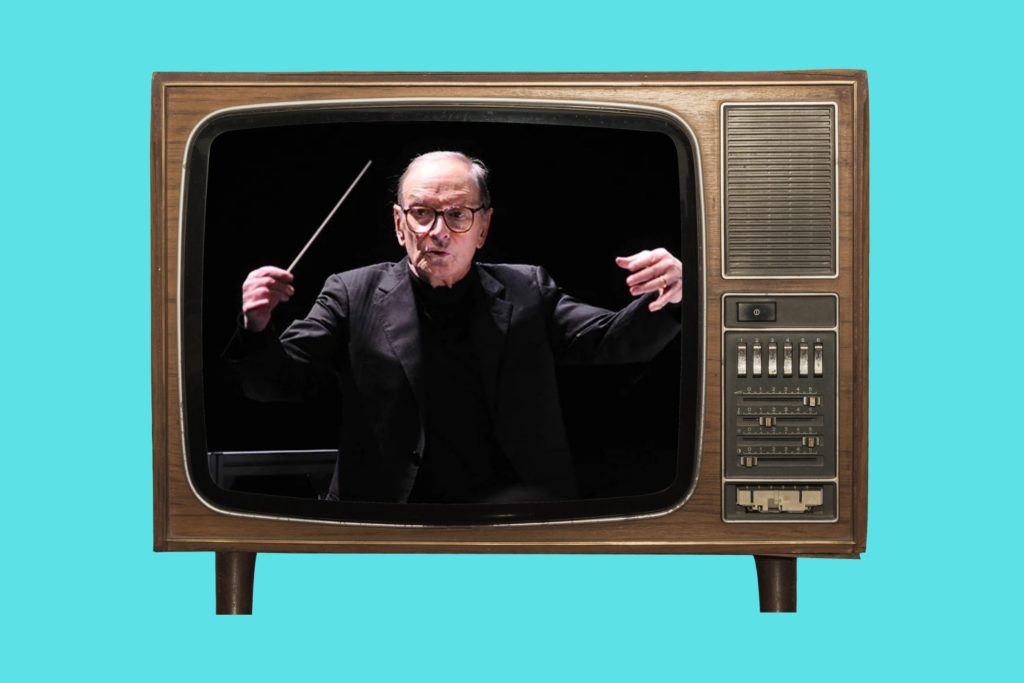
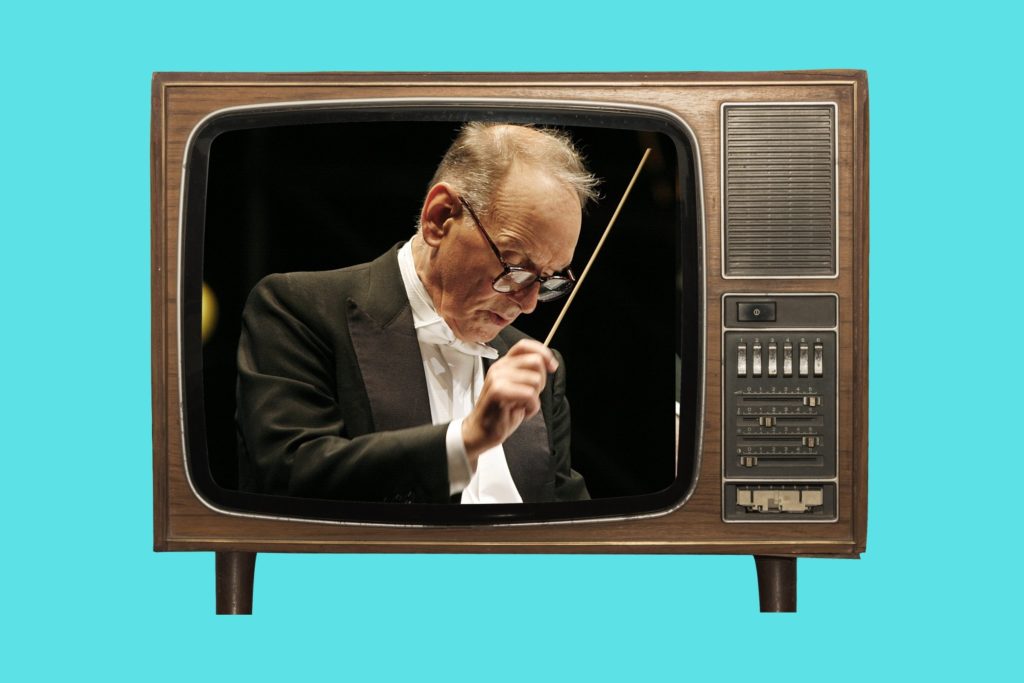
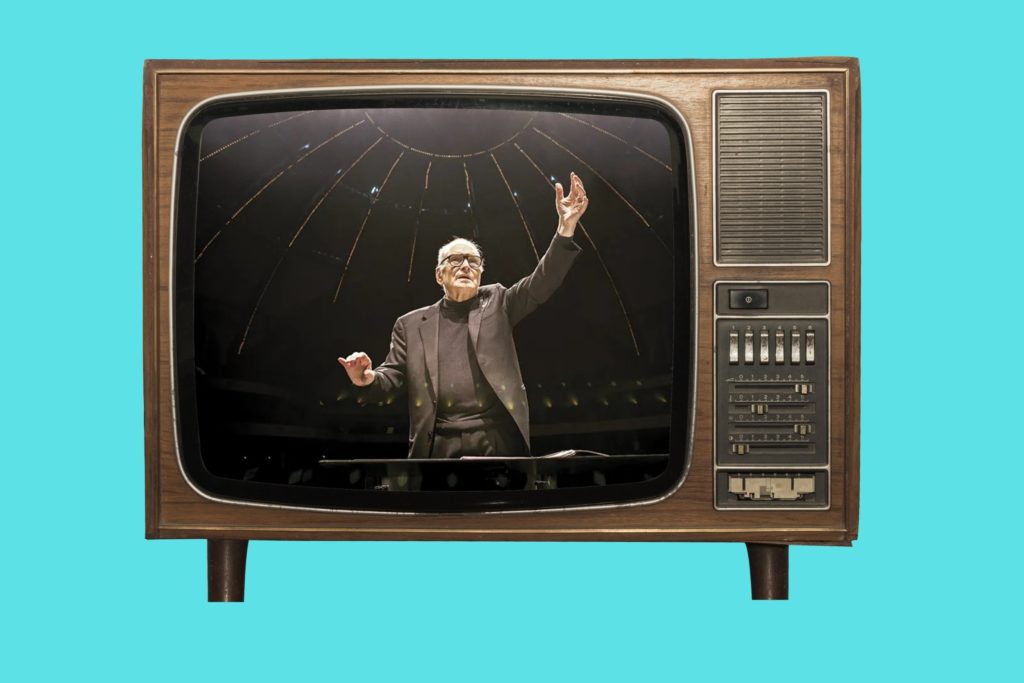
There are film composers, and then there’s Ennio Morricone. Long before I properly understood cinematography or film theory, I understood Morricone’s music. Even as a kid, those scores felt different. A whistle echoing across a dusty landscape. A lonely guitar. A haunting vocal cry. The music instantly transported you somewhere cinematic. Like a lot of film fans of my generation, I first discovered Morricone through Sergio Leone’s Spaghetti Westerns, especially The Good, the Bad and the Ugly. The soundtrack already felt legendary before I’d even properly watched the film. But once I finally saw it in context, I realised something important: Morricone’s music wasn’t just supporting the images. It was driving the emotion of the entire film.
Sergio Leone and the Reinvention of the Western
Morricone completely transformed the sound of Western cinema during the 1960s through his collaborations with Sergio Leone. Before that, Hollywood Westerns tended to rely on traditional orchestral music inspired by composers like Dimitri Tiomkin and Elmer Bernstein. Morricone took a completely different approach. Suddenly audiences were hearing electric guitars, whistles, cracking whips, chanting voices and strange experimental percussion. It sounded raw, modern and slightly dangerous. More importantly, it perfectly matched Leone’s cynical vision of the Wild West. These weren’t heroic cowboys riding nobly into sunsets. Leone’s films were brutal, morally grey and filled with tension, and Morricone’s scores captured that atmosphere perfectly.
The Good, the Bad and the Ugly and Musical Mythology
Few pieces of film music are more recognisable than the main theme from The Good, the Bad and the Ugly. Even people who’ve never seen the film know that iconic coyote-like howl. But what makes the score so brilliant is how carefully Morricone builds suspense and emotion through rhythm and repetition. The famous cemetery sequence accompanied by “The Ecstasy of Gold” remains one of the greatest combinations of image and music in cinema history. Leone stretches the tension almost unbearably while Morricone’s music elevates the scene into something operatic and mythic. Honestly, it’s difficult to imagine those films having anywhere near the same impact without Morricone’s music behind them.
Once Upon a Time in the West and Emotional Storytelling
If The Good, the Bad and the Ugly showcased Morricone’s flair for spectacle, then Once Upon a Time in the West revealed just how emotionally powerful he could be as a composer. The score is sweeping, tragic and genuinely beautiful. Every major character is given their own musical identity, from Harmonica’s eerie motif to Jill’s heartbreaking central theme. Sergio Leone famously played Morricone’s music on set while filming so the actors could move emotionally in sync with the score itself. That’s probably why the film feels so hypnotic. The images and music become completely inseparable. Jill’s theme in particular remains one of the most emotional pieces of film music I’ve ever heard.
Beyond the Spaghetti Westerns
Although Morricone is most famous for Westerns, reducing him to that genre alone would massively undersell his talent. His range as a composer was astonishing. The Mission contains some of the most beautiful music ever written for cinema, especially “Gabriel’s Oboe,” which somehow feels spiritual, tragic and uplifting all at once. Then there’s John Carpenter’s The Thing, where Morricone strips everything back into a cold minimalist pulse that quietly intensifies the paranoia and dread. That’s what made him so remarkable. He could create music that was operatic, experimental, terrifying, romantic or deeply melancholic depending entirely on what the film needed.
Why Ennio Morricone Still Matters
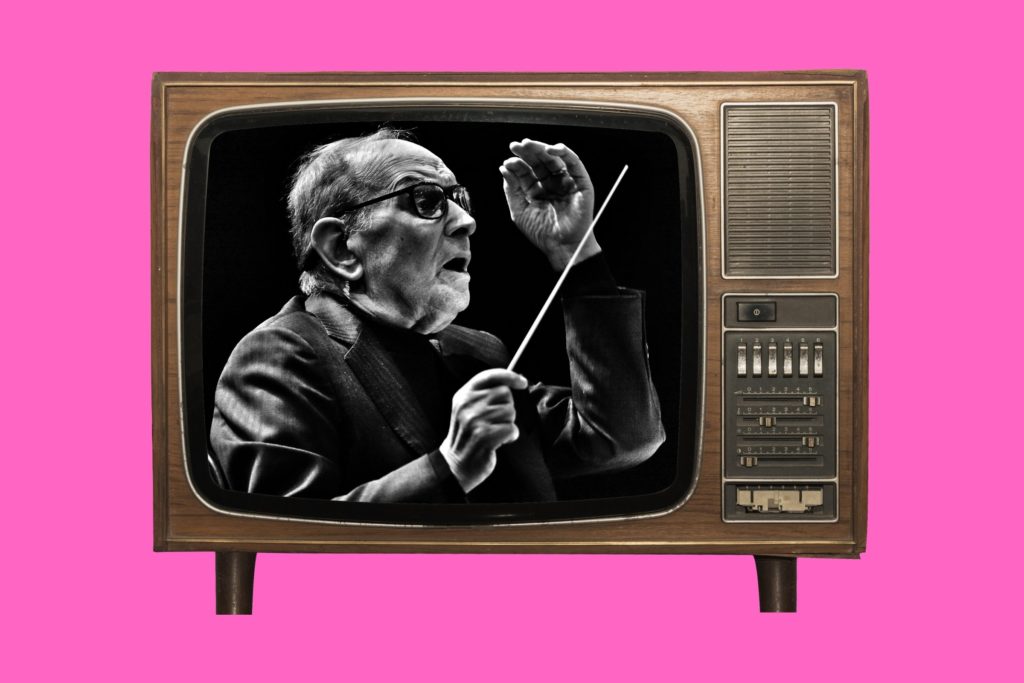
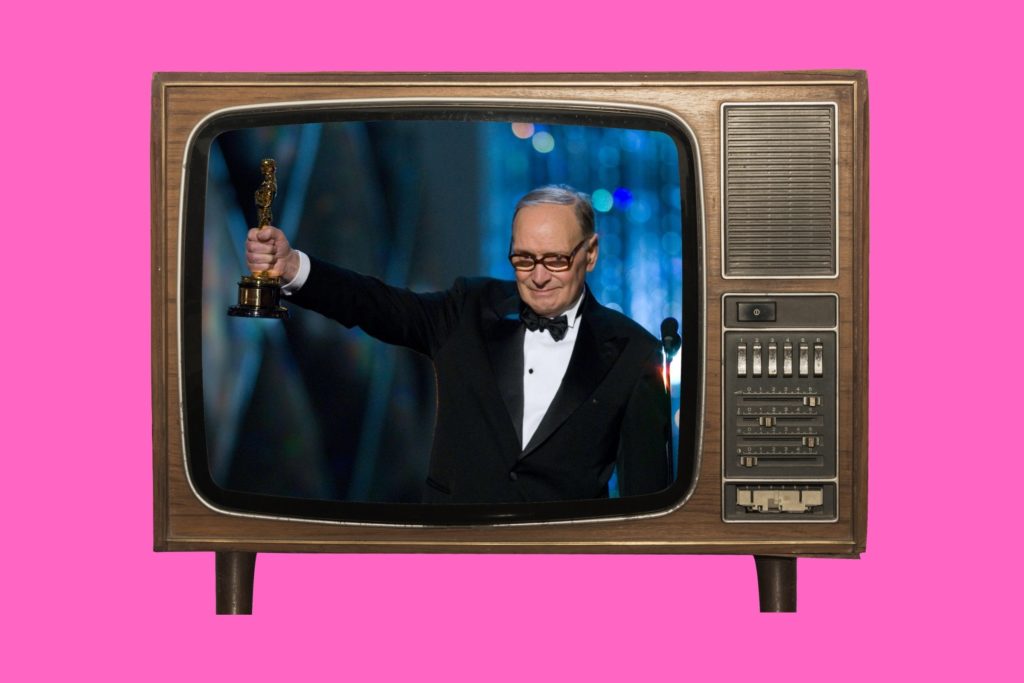
What fascinates me most about Morricone is how modern his work still feels decades later. Directors like Quentin Tarantino openly worshipped his music because they understood how cinematic it was. Tarantino eventually collaborated with Morricone on The Hateful Eight, which finally earned him a competitive Academy Award late in life. But his influence stretches far beyond awards or Westerns. Morricone changed the language of film music itself. He proved scores could be experimental, emotional and completely unforgettable all at the same time. And honestly, once you start listening properly to Morricone’s work, you realise how much film music shapes the emotional power of cinema. Great scores don’t just accompany films. They become part of film history.
Recommended Books and Documentaries
Ennio Morricone: In His Own Words — Alessandro De Rosa
Excellent and deeply personal conversations with Morricone about creativity and cinema.
Morricone Music from the Movies
A fascinating documentary exploring Morricone’s life, music and collaborations.
Sergio Leone: Something to Do With Death — Christopher Frayling
Essential reading on the Leone and Morricone partnership.
Ennio: The Maestro (2021 Documentary)
Giuseppe Tornatore’s superb documentary about Morricone’s career and legacy.
Film Music – A History — James Wierzbicki
Accessible and highly readable overview of film music history featuring Morricone’s influence.