Giallo Movies
Stanley Kubrick: The Perfectionist Who Changed Cinema Forever
Discovering Stanley Kubrick and Falling Down the Rabbit Hole
Like many film fans of my generation, I discovered Stanley Kubrick through Full Metal Jacket. I watched it on VHS in the late 1980s and it completely blindsided me. I’d already seen plenty of war films, but this felt different. It was colder, sharper and far more unsettling. Then ITV accidentally broadcast the longer American version of The Shining and I was hooked for life. To this day, The Shining remains my all-time favourite film. The atmosphere, the camera work and the sense of creeping dread are unlike anything else I’ve ever seen. From that point onwards, Stanley Kubrick became a filmmaker I returned to again and again.
Paths of Glory and Dr. Strangelove: Kubrick’s Early Masterpieces
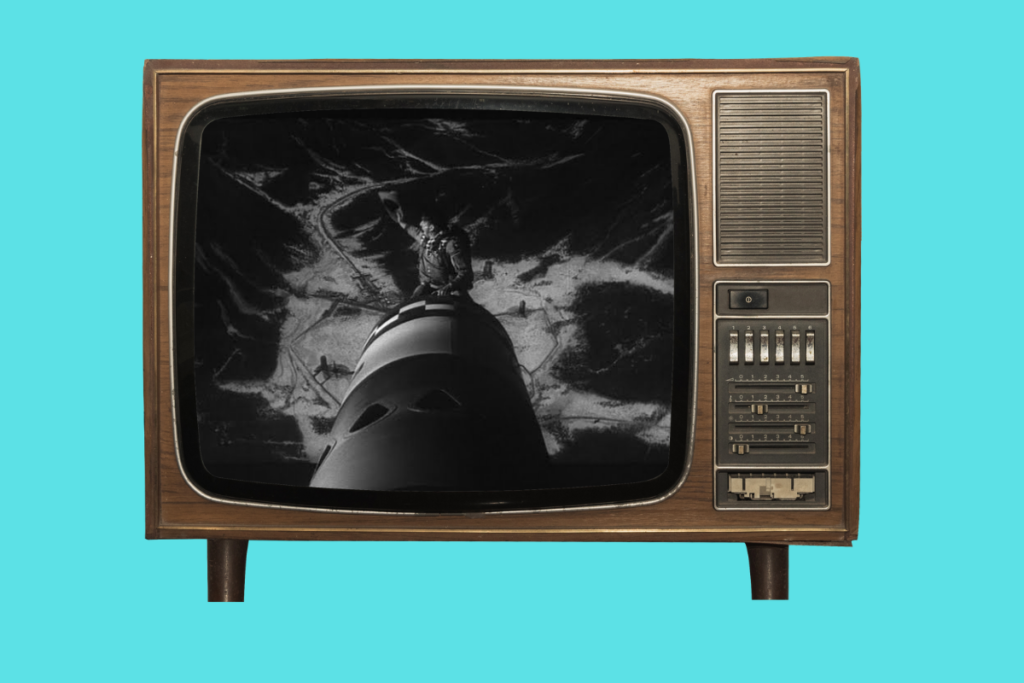
One of the reasons I love Kubrick so much is that he never repeated himself. His anti-war masterpiece Paths of Glory remains one of the most powerful war films ever made. Kirk Douglas delivers a superb performance, but it’s Kubrick’s anger at military incompetence that drives the film. A few years later he switched gears completely with Dr. Strangelove. On paper, a comedy about nuclear annihilation sounds impossible. Yet Kubrick turned Cold War paranoia into one of the funniest and smartest satires ever made. Even today, its warnings about political incompetence and nuclear weapons feel frighteningly relevant.
2001: A Space Odyssey and the Future of Science Fiction
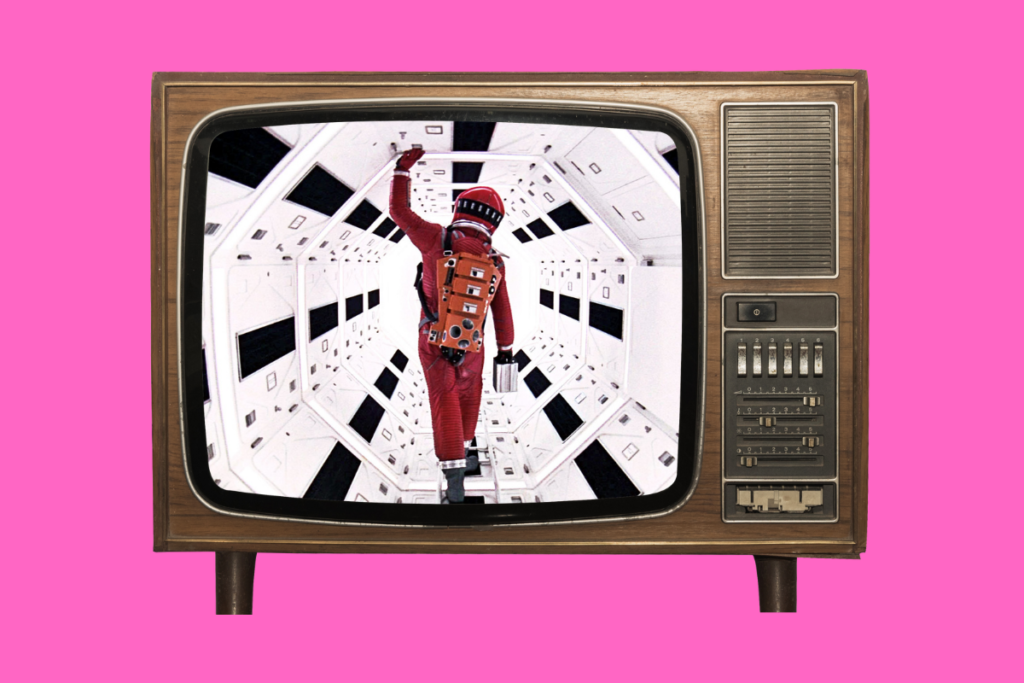
If I had to choose the most influential science-fiction film ever made, it would be 2001: A Space Odyssey. Released in 1968, it changed cinema forever. Before Kubrick, science fiction often meant monsters, spaceships and adventure stories. Kubrick treated the genre seriously. The result was a visually astonishing meditation on humanity, technology and evolution. The special effects still look remarkable today. More importantly, Kubrick trusted his audience. He refused to explain everything and encouraged viewers to draw their own conclusions. That ambiguity is one reason people are still discussing the film more than fifty years later.
A Clockwork Orange and the Film That Shocked Britain
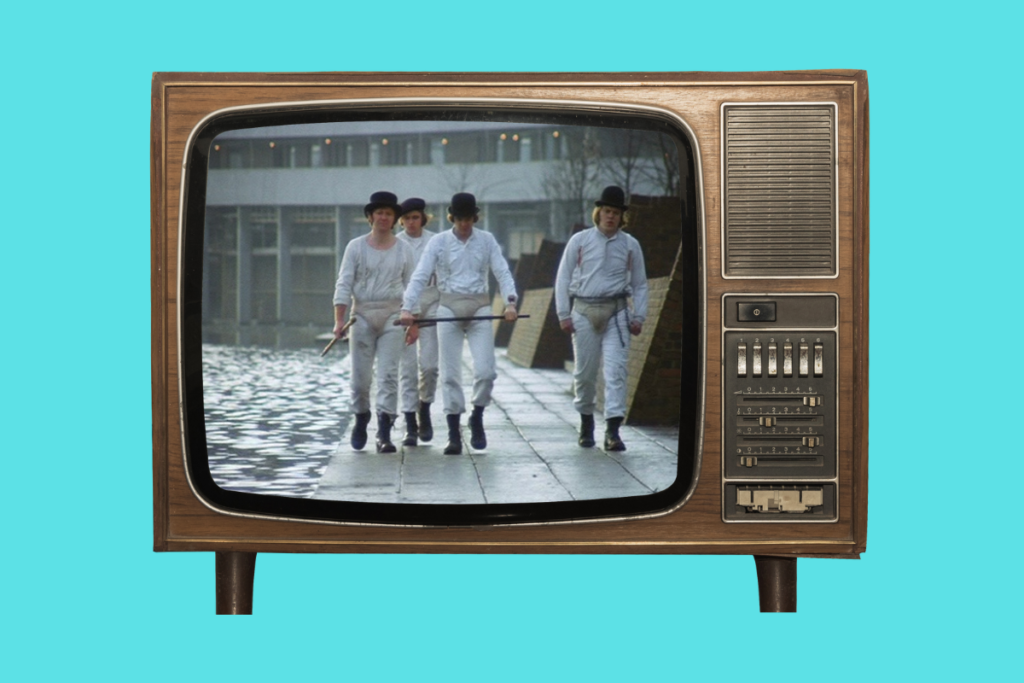
Few films have generated as much controversy as A Clockwork Orange. Kubrick’s adaptation of Anthony Burgess’s novel remains provocative, disturbing and darkly funny. Malcolm McDowell’s performance as Alex is unforgettable. However, the film became the centre of a media storm in Britain after reports linked it to copycat crimes. The controversy became so intense that Kubrick withdrew the film from UK cinemas himself. For years it was effectively unavailable in Britain. Looking back, the outrage sometimes overshadowed the film’s real themes. Beneath the violence lies a fascinating discussion about free will, morality and the dangers of state control.

Barry Lyndon, The Shining and Kubrick’s Visual Perfection
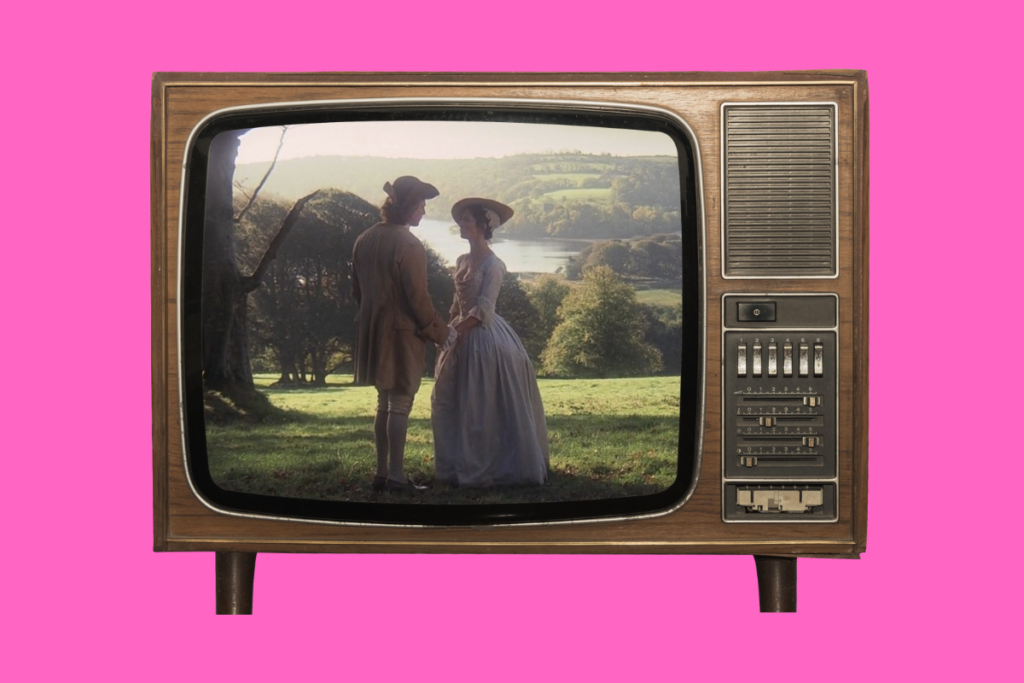
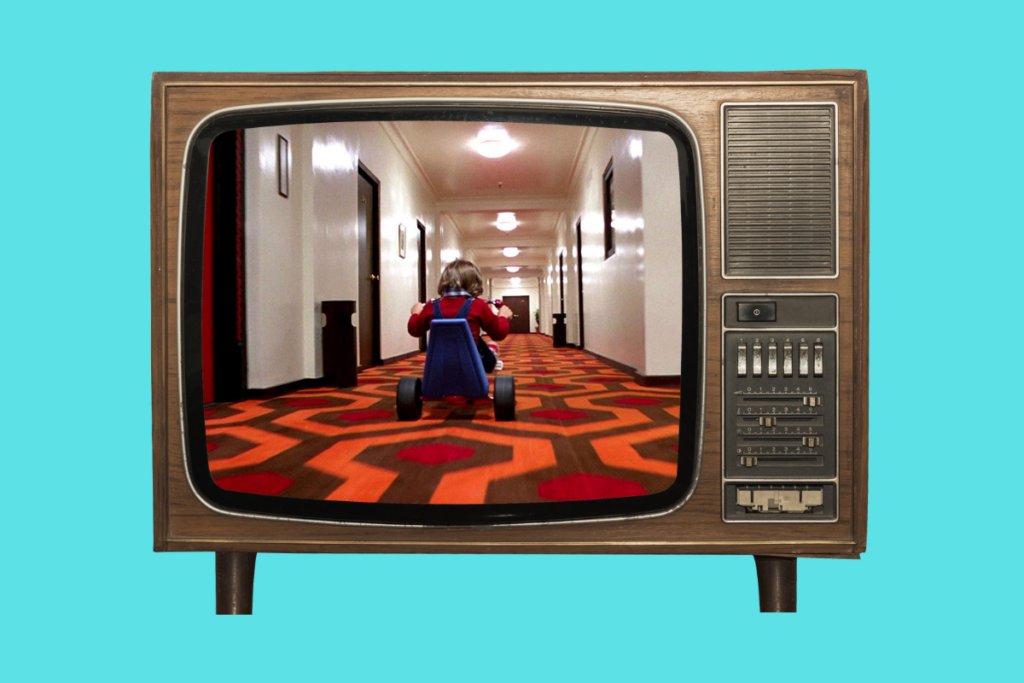
Although The Shining is my personal favourite, I think Barry Lyndon may be Kubrick’s most beautiful film. Every frame looks like an eighteenth-century painting brought to life. The photography is simply breathtaking. Kubrick famously used specially modified lenses developed for NASA to shoot scenes using candlelight. The result is one of the most visually stunning films ever made. Then came The Shining, Kubrick’s only true horror film. Rather than relying on shocks, he built terror through atmosphere and unease. The Overlook Hotel feels alive. Every corridor seems haunted. Every viewing reveals something new.
Eyes Wide Shut and Kubrick’s Lasting Legacy
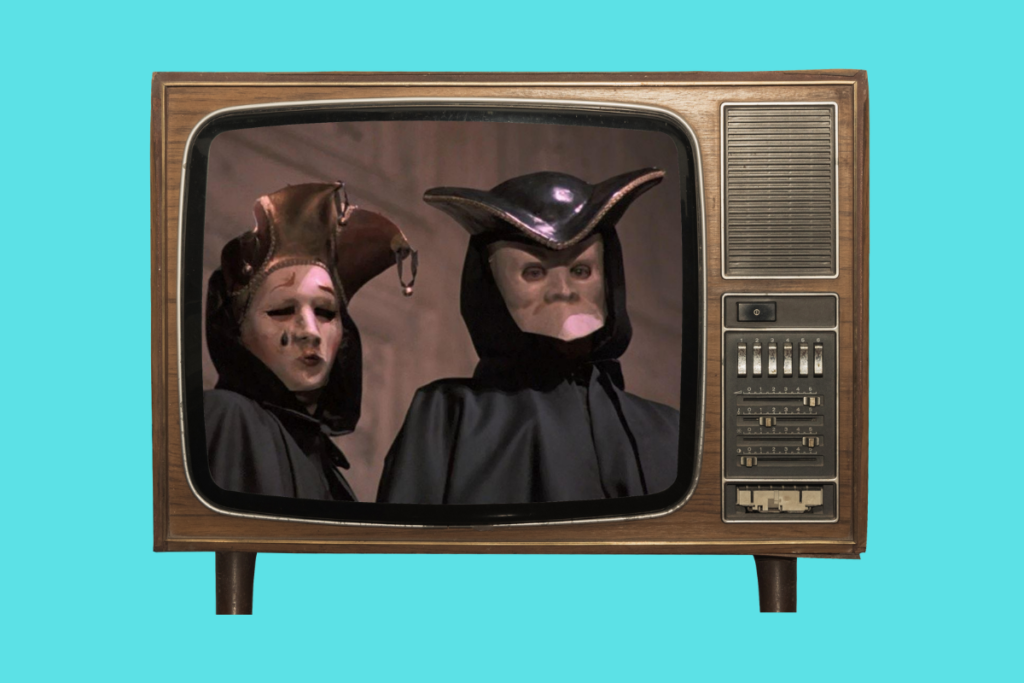
Kubrick’s final film, Eyes Wide Shut, remains one of his most misunderstood works. Based on Arthur Schnitzler’s novella Traumnovelle, it was criticised by some reviewers on release. Yet I think it has improved with age. Beneath the dreamlike surface lies a fascinating exploration of desire, jealousy and obsession. It also serves as a fitting farewell from a filmmaker obsessed with human psychology. Few directors have influenced cinema as profoundly as Stanley Kubrick. Whether he was making war films, science fiction, satire, horror or historical drama, he always pushed boundaries. His films continue to challenge, entertain and inspire new generations of filmmakers and film fans alike.
Recommended Books on Stanley Kubrick
If you’d like to explore Kubrick further, these are the books I recommend:
Kubrick by Michel Ciment – The essential Kubrick book and still one of the best.
The Stanley Kubrick Archives by Alison Castle – A stunning visual celebration of his career.
Stanley Kubrick and Me by Emilio D’Alessandro – A warm and surprisingly personal memoir.
Space Odyssey by Michael Benson – The definitive account of how 2001 was made.
The Complete Films of Stanley Kubrick by Paul Duncan – Accessible, informative and beautifully illustrated.
Kubrick: An Odyssey by Robert P. Kolker and Nathan Abrams – An excellent modern overview of his life and work.