
German Expressionism
German Expressionism – The Film Movement That Changed Cinema Forever
What Is German Expressionism?
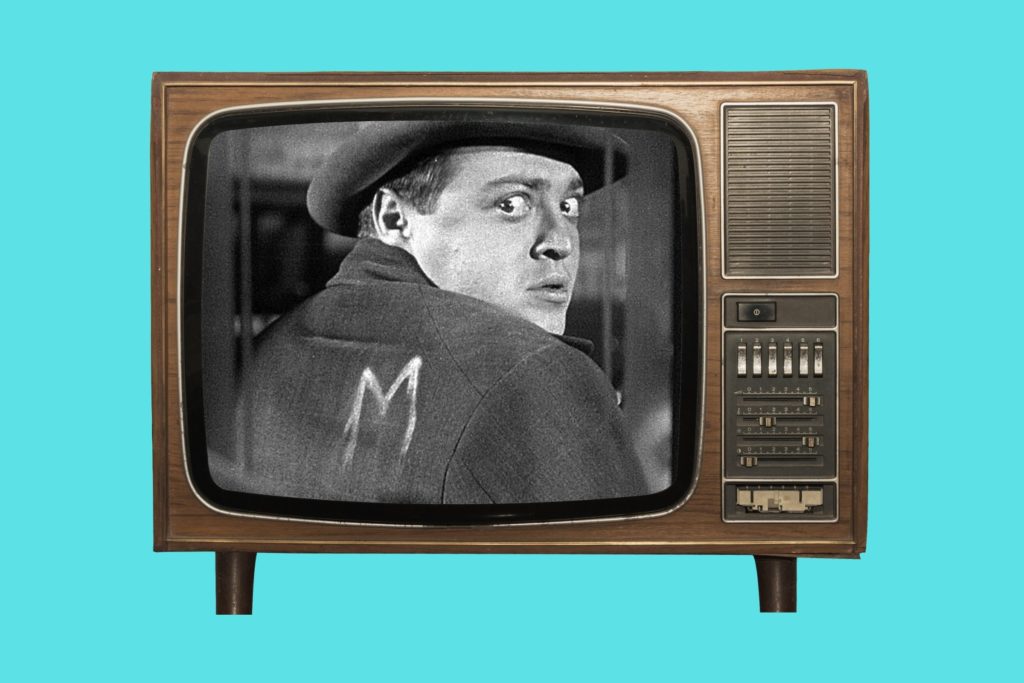
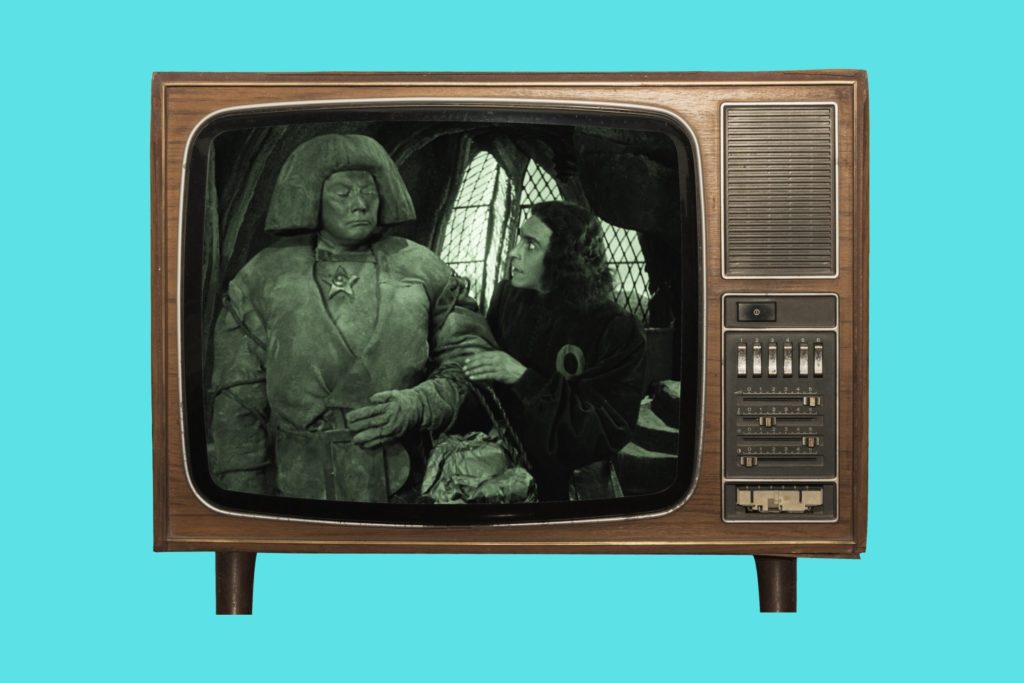
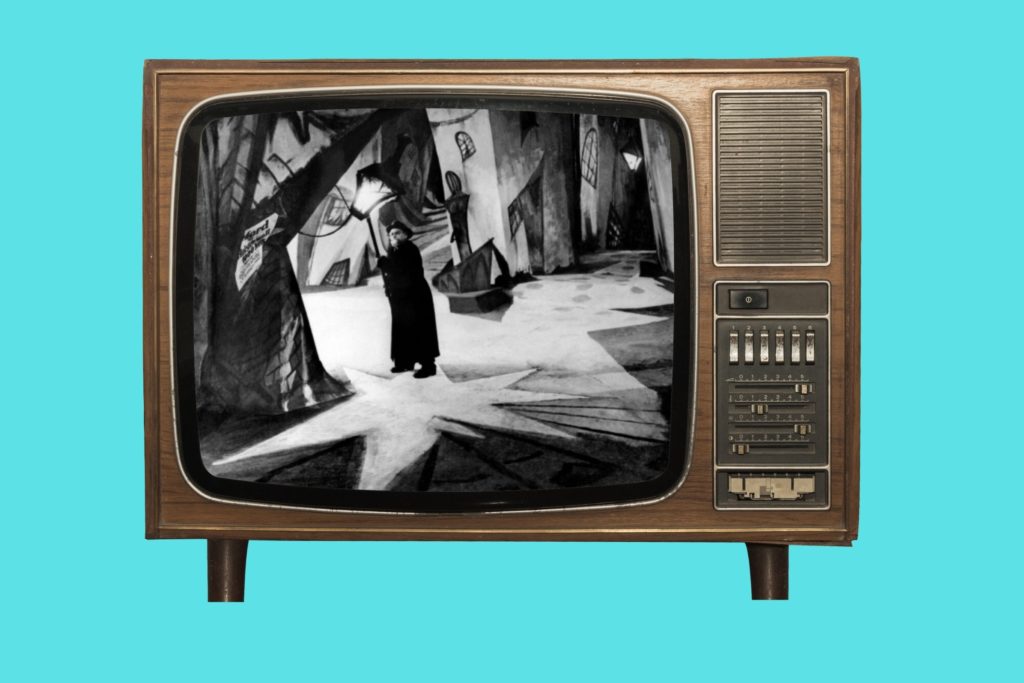
As a film student, I fell in love with German Expressionism when I realised where so many of my favourite horror and thriller visuals came from. This movement emerged in Germany during the 1910s and 1920s, after the First World War. Instead of aiming for realism, filmmakers twisted reality into something emotional and psychological. Imagine buildings leaning at impossible angles, shadows stretching across walls and streets resembling nightmares. Even though these films were made over a century ago, their visual style still feels modern and unsettling.
Why German Expressionism Still Matters
Germany was going through huge political, economic and social upheaval, and you can feel that anxiety bleeding into these movies. Rather than showing the world as it was, directors used sets and lighting to depict fear, paranoia and inner turmoil. That approach proved that cinema could be more than a simple recording of reality; it could represent emotions visually. The bold look of Expressionist films influences almost everything from horror and film noir to modern comic‑book movies. Once you recognise it, you start spotting it everywhere.
The Cabinet of Dr Caligari and Nosferatu
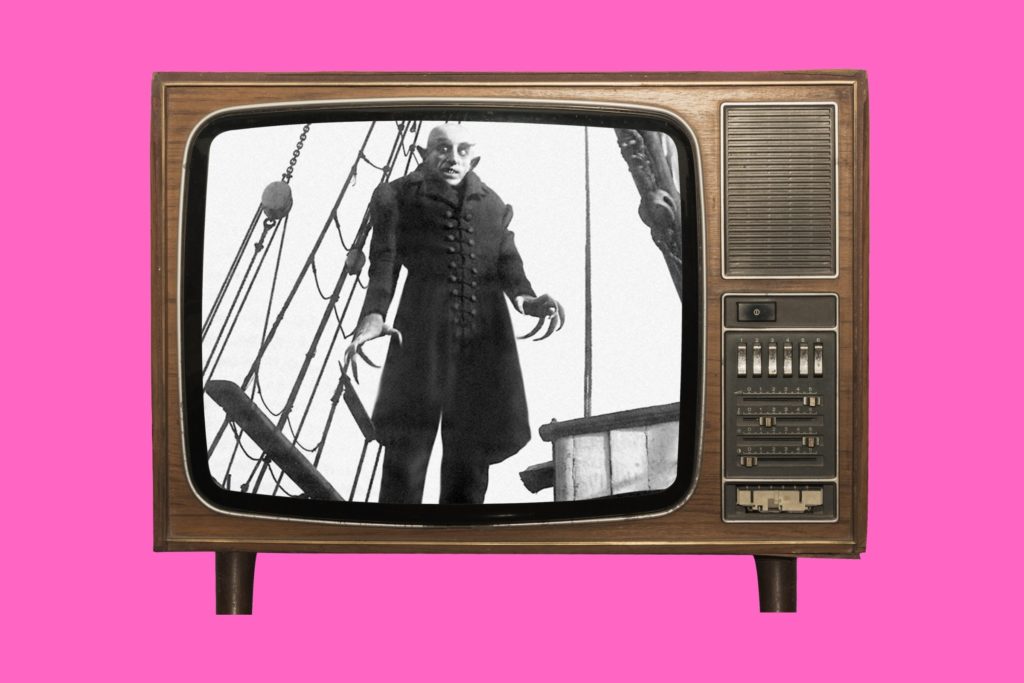
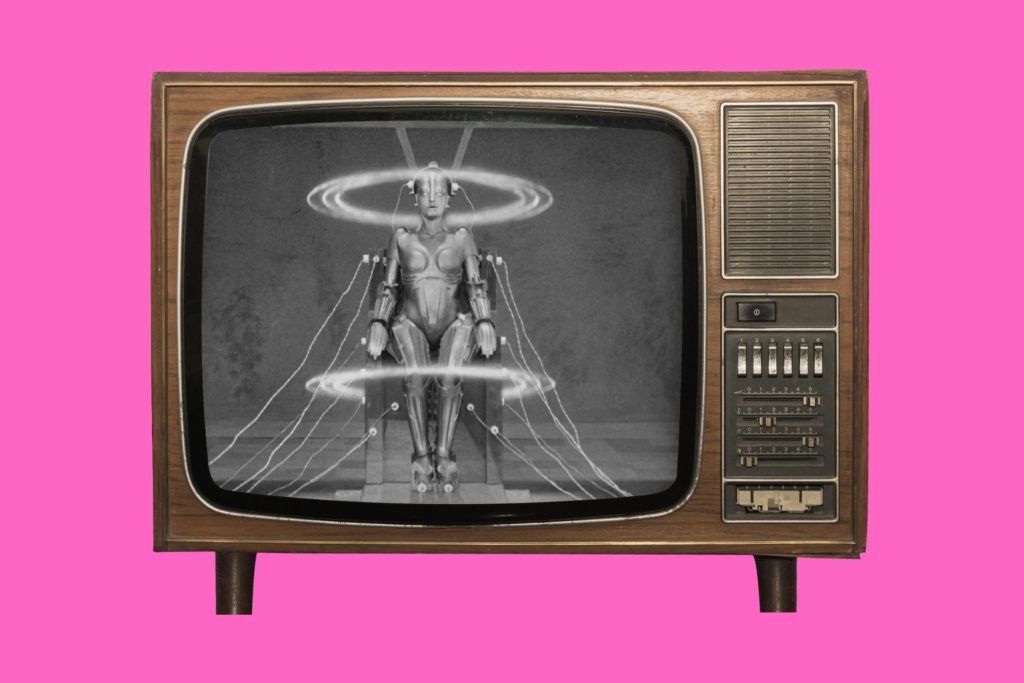
The Cabinet of Dr Caligari, released in 1920, often opens the conversation because its jagged painted sets and distorted world still look unlike anything else. Watching it feels like stepping into someone’s nightmare. Soon after came Nosferatu and Metropolis, which pushed those visual ideas even further. Nosferatu’s vampire silhouette creeping up the stairs and Metropolis’s chaotic cityscape remain iconic images that still echo through today’s horror and science fiction cinema.
How German Expressionism Influenced Other Genres
Once you tune into German Expressionism, you see its fingerprints on film noir’s moody lighting and psychological unease. Horror cinema embraced its surreal imagery and sense of dread. Directors such as Tim Burton, David Lynch, Terry Gilliam and Guillermo del Toro clearly carry traces of Expressionism in their work. Modern superhero films, neo‑noirs and psychological thrillers often use exaggerated lighting, distorted production design and visual symbolism rooted in these films from the 1920s.
The Lasting Influence and Modern Filmmaking
What I also love about German Expressionism is that it shows how filmmakers can push against technological limits. Directors in the 1920s didn’t have CGI or sophisticated cameras, yet they created worlds unlike anything before. Their innovative spirit reminds me that imagination can overcome constraints. When modern directors use lighting, colour or set design to place us inside a character’s mind, they’re building on a foundation laid by these early pioneers.
Why These Films Are Still Fun to Watch
Perhaps the biggest surprise is that these films are fun to watch. Despite their age, they feel like fresh experiments in storytelling rather than museum pieces. Once you accept their dream logic, they become gripping and accessible. The bold imagery sticks with you—whether it’s Nosferatu’s shadow on the stairs or Metropolis’s towering city. Even if you’re new to silent cinema, these movies will linger in your mind long after they end. If you care about horror, noir or modern cinematic style, you owe these pioneers a huge debt.
Recommended Reading
The Haunted Screen – Lotte H. Eisner
From Caligari to Hitler – Siegfried Kracauer
Expressionism and Film – Rudolf Kurtz
The Films of Fritz Lang: Allegories of Vision and Modernity – Tom Gunning