
Quentin Tarantino
Quentin Tarantino – The Director Who Made Film Geek Culture Cool
Discovering Quentin Tarantino
I’m old enough to remember Quentin Tarantino arriving on the cinema scene like some sort of cultural explosion. Before Tarantino, directors certainly had devoted fans, but they generally occupied the world of serious film criticism and arthouse discussion. Tarantino changed that almost overnight. Suddenly, a filmmaker could have the same cultural impact as a rock star. For film fans of my generation, that was incredibly exciting.
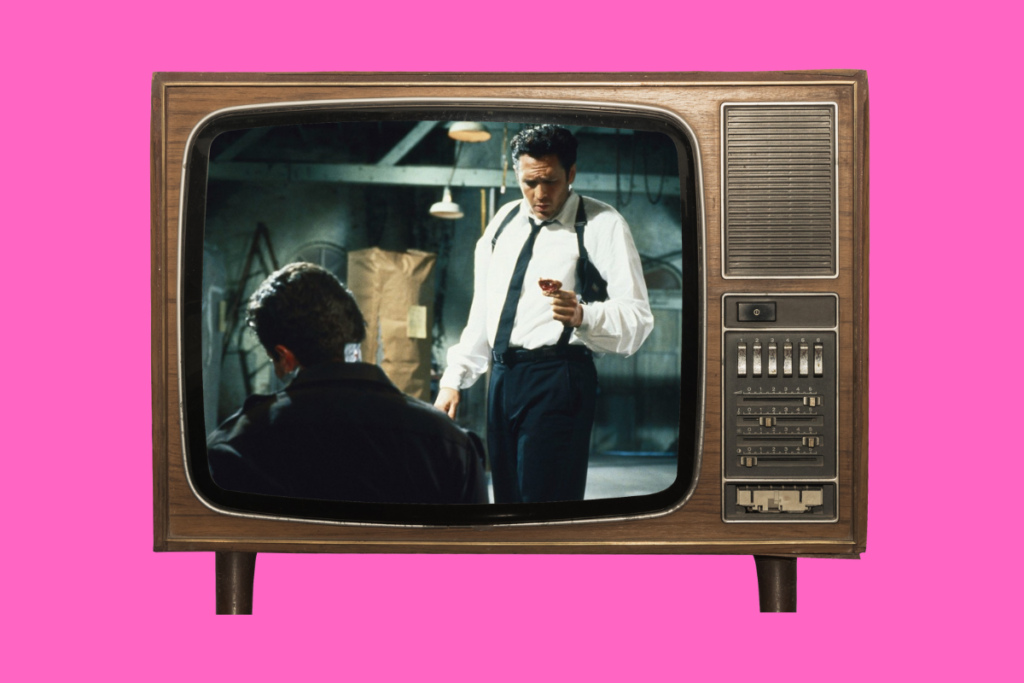
My introduction came through Reservoir Dogs (1992), which developed an almost mythical reputation in Britain after it was refused a home video certificate. Ironically, that only increased its popularity. A friend and I actually hiked to the nearest cinema showing it because we’d heard so much about this controversial new crime film. What struck me wasn’t simply the violence. It was the dialogue, the soundtrack and the confidence of the storytelling. It felt unlike anything else I’d seen before.
Reservoir Dogs, Elmore Leonard and a New Voice
One of the most interesting things about Tarantino’s early career is how many critics compared his writing to that of crime novelist Elmore Leonard. Leonard had built a reputation on sharp dialogue, eccentric criminals and stories where character mattered more than plot. Those comparisons weren’t entirely accidental. Tarantino has often spoken about his admiration for Leonard, and it’s easy to see the influence.
Like Leonard’s novels, Reservoir Dogs focuses on criminals talking, arguing and revealing their personalities. The heist itself never appears on screen. Instead, Tarantino concentrates on the aftermath and the relationships between the characters. Years later, his admiration for Leonard would become even more apparent when he adapted Leonard’s novel Rum Punch into what became his third feature film, Jackie Brown (1997), arguably his most mature and emotionally nuanced work.
Pulp Fiction and the Rise of Film Geek Culture
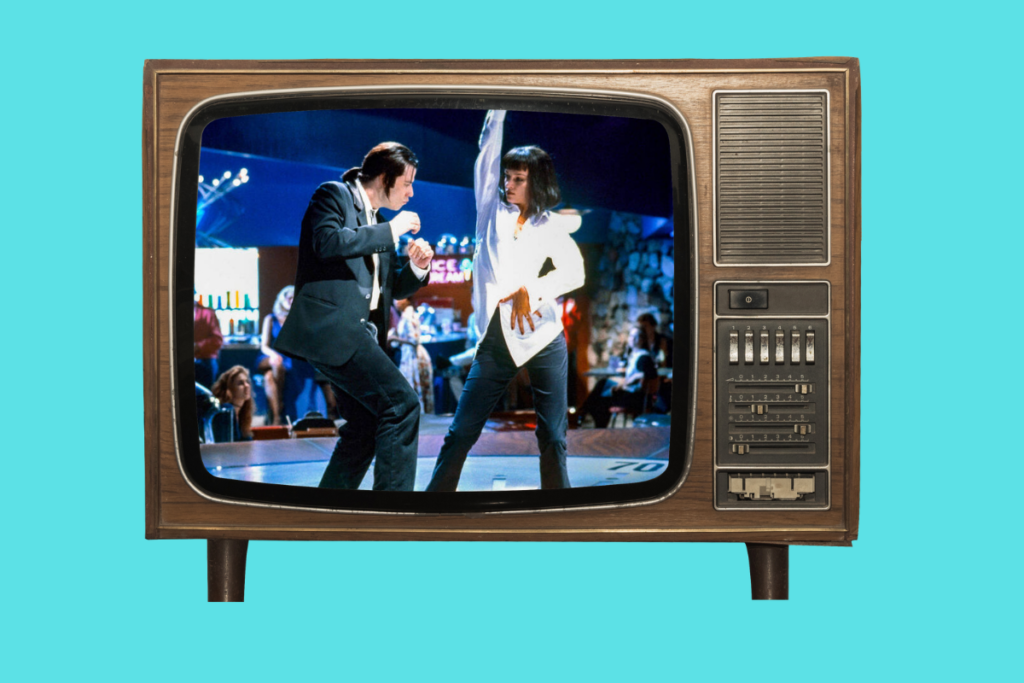
Then came Pulp Fiction (1994), and everything changed. Looking back now, it’s difficult to overstate how influential that film became. Posters covered bedroom walls. The soundtrack was everywhere. Dialogue from the film entered popular culture. Independent cinema suddenly felt exciting again.
What made Tarantino unique was his willingness to celebrate the films he loved. Whether he was discussing kung fu movies, spaghetti westerns, blaxploitation films or exploitation horror, his enthusiasm was infectious. Entire generations of film fans began hunting down obscure movies simply because Tarantino had mentioned them in an interview. He didn’t just make movies. He encouraged audiences to explore cinema history for themselves.
The Tarantino Formula
Tarantino’s films are often described as violent, but I’ve always felt that description misses the point. What truly defines his work is the dialogue. His characters discuss music, television, fast food and seemingly trivial subjects while tension quietly builds underneath. The conversations become just as important as the action.
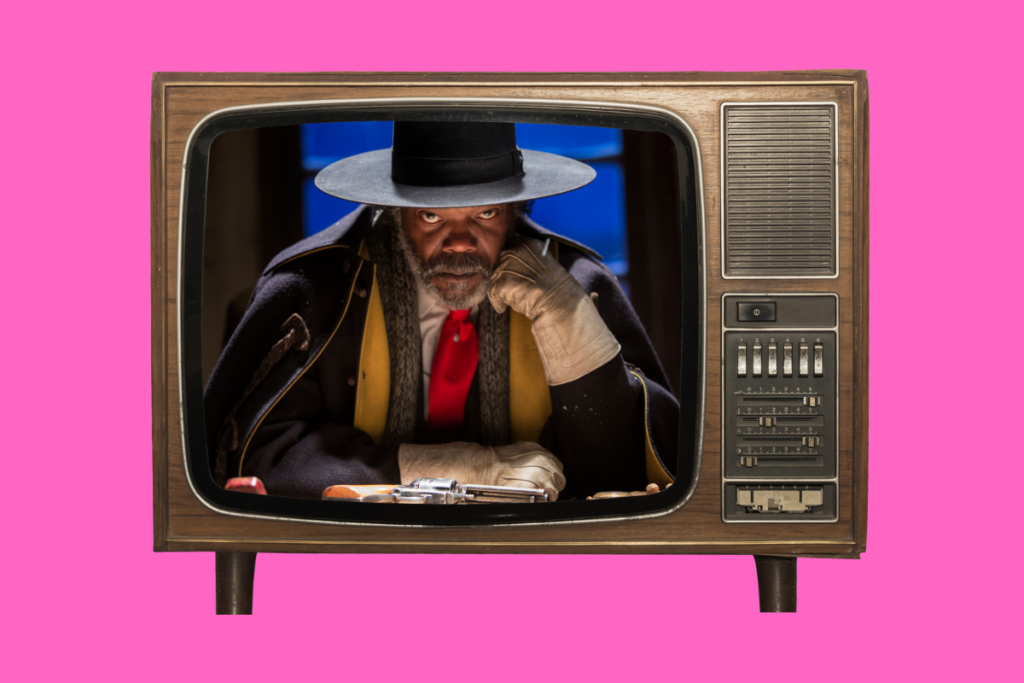
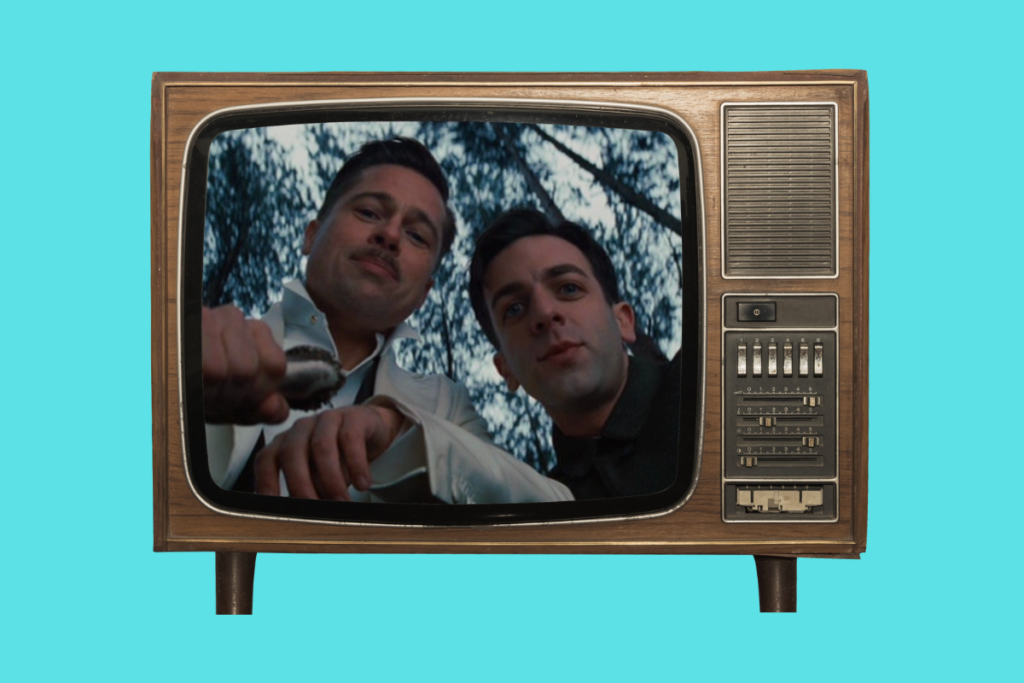
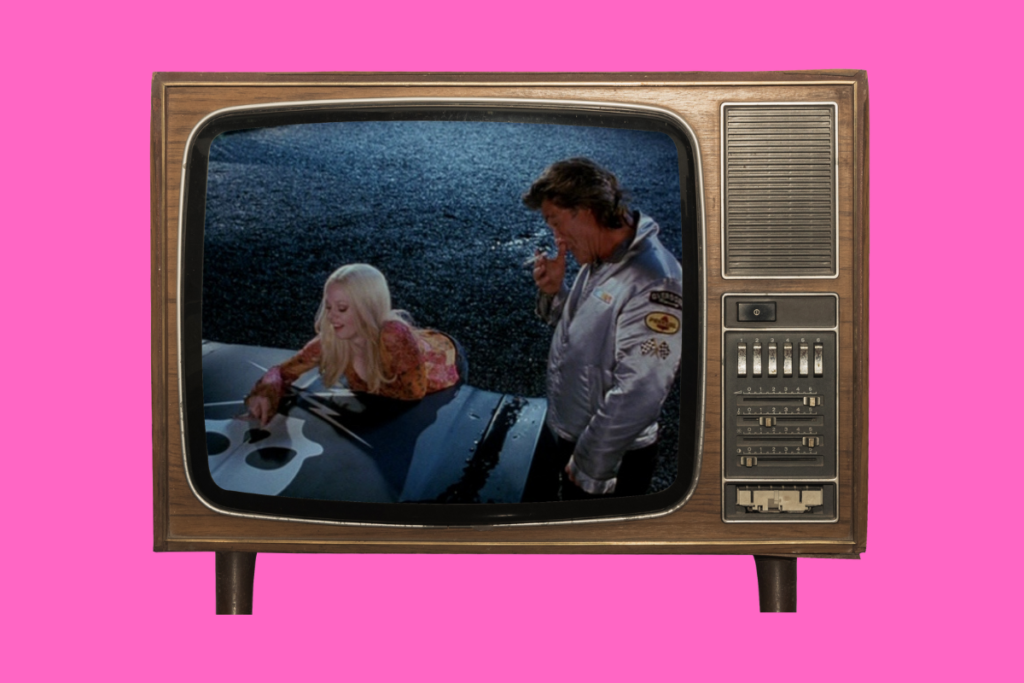
His storytelling style is equally distinctive. Non-linear narratives, carefully chosen soundtracks and sudden bursts of violence became his trademarks. Films such as Kill Bill, Inglourious Basterds and The Hateful Eight all draw heavily from older genres, yet somehow remain unmistakably Tarantino. Rather than simply copying his influences, he remixes them into something entirely his own.

Jackie Brown and a More Mature Tarantino
While many fans immediately point to Pulp Fiction or Kill Bill as their favourites, I’ve always had a particular fondness for Jackie Brown. Based on Elmore Leonard’s Rum Punch, it demonstrated a different side of Tarantino’s filmmaking. The film is less concerned with flashy violence and more interested in character, relationships and emotional nuance.
It also showed just how well Tarantino understood Leonard’s work. The dialogue remains sharp, but there’s a warmth and humanity running through the film that makes it stand apart from much of his filmography. It’s a wonderful crime thriller and, for me, one of the clearest examples of Tarantino’s growth as a filmmaker.
Why Tarantino Still Matters
One of Tarantino’s greatest achievements is that he made film obsession feel cool. Suddenly, discussing directors, collecting soundtracks, tracking down obscure VHS tapes and debating cinema history became part of mainstream film culture. He inspired filmmakers (such as Paul Thomas Anderson) audiences to become active participants in their own film education.
Even today, countless filmmakers operate in a post-Tarantino landscape. His influence can be seen everywhere, from soundtrack choices and genre mash-ups to self-aware dialogue and non-linear storytelling. Yet despite the many imitators, very few have captured what made Tarantino special in the first place. Beneath all the references, violence and style, there is a genuine love of cinema running through every frame. For many of us, Tarantino wasn’t simply a director. He was a gateway into a lifetime of film discovery.
Cinema Speculation — Quentin Tarantino
A fascinating collection of essays exploring the films, directors and actors that shaped Tarantino’s love of cinema.
Quentin Tarantino: The Cinema of Cool — Tom Shone
One of the best critical studies of Tarantino’s work and influence.
Elmore Leonard: The Last Interview and Other Conversations
Essential reading for understanding one of Tarantino’s favourite writers.
Get Shorty — Elmore Leonard
A perfect introduction to Leonard’s style and the kind of dialogue that influenced Tarantino’s early films.
Rum Punch — Elmore Leonard
The novel that became Jackie Brown and one of Leonard’s finest crime stories.
Tarantino Interviews — Gerald Peary (Editor)
A superb collection of interviews charting Tarantino’s rise and evolution.