
Found Footage
Movies
The Blair Witch Project and the Found Footage Boom
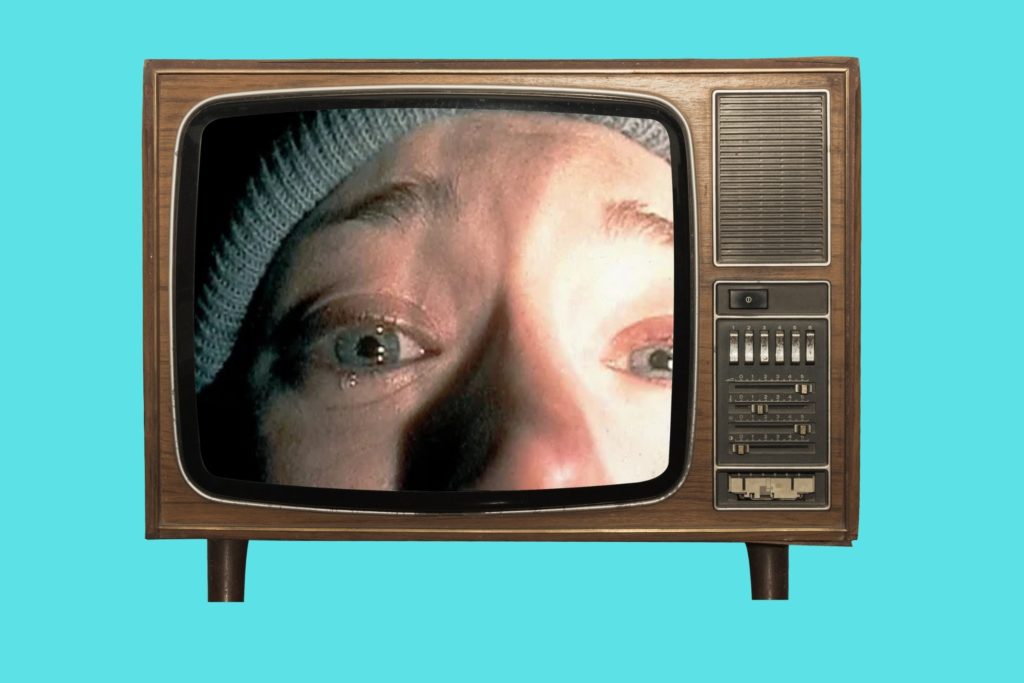
When The Blair Witch Project arrived in 1999, horror cinema felt increasingly polished. After the success of Scream, studios filled cinemas with glossy slashers, self-aware dialogue and familiar formulas. Audiences expected recognisable stars, slick camerawork and carefully planned scares.
Then a tiny independent horror film changed everything.
Three student filmmakers wandering through the woods with handheld cameras should not have become a cultural phenomenon, yet the film terrified audiences around the world. What made The Blair Witch Project so effective was its simplicity. There were no elaborate visual effects, no dramatic musical score and very little on-screen violence. Instead, the filmmakers relied on atmosphere, suggestion and the illusion that the footage might be genuine.
Timing helped too. The internet was still relatively new, and the marketing campaign blurred the line between fiction and reality. Missing-person posters, fake documentaries and websites built around the mythology convinced many viewers that the story could be true. That uncertainty became part of the horror.
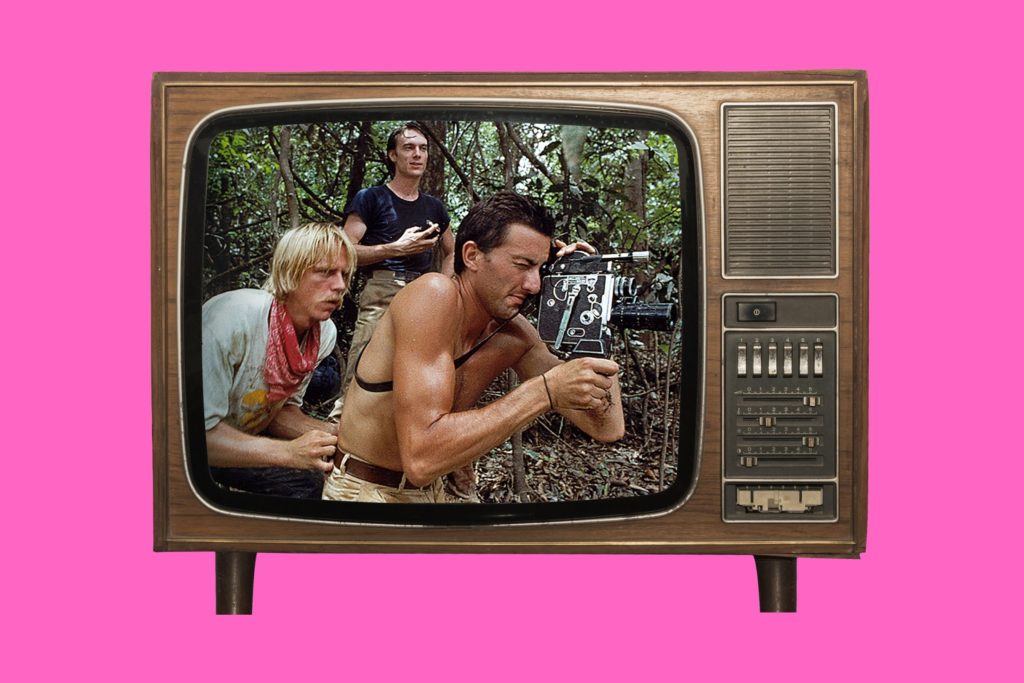
Cannibal Holocaust and the Origins of Found Footage
Although many people associate found footage horror with The Blair Witch Project, the format existed long before 1999. One of the most important early examples is the Italian exploitation movie Cannibal Holocaust from 1980, which was banned in the UK during the Video Nasties scandal.
I first watched Cannibal Holocaust when I was eighteen. At the time, Britain still banned the film, and I borrowed an uncut Dutch VHS copy from a friend. Some of the images stayed with me for years afterwards. In fact, I avoided watching it again for more than fifteen years.
The film follows a rescue team recovering footage shot by missing documentary filmmakers in the Amazon rainforest. That structure would later influence countless found footage horror films. Director Ruggero Deodato presented the violence so realistically that authorities reportedly believed some of the murders were real. He even had to prove in court that the actors were alive.
Unlike Blair Witch, Cannibal Holocaust comes from exploitation cinema. Its goal was to provoke audiences as much as frighten them. Even today, it remains a difficult and controversial watch.
Why Found Footage Horror Feels Real
What gives found footage horror its power is the illusion of authenticity.
Traditional horror films remind audiences that they are watching a story. Professional lighting, carefully framed shots and polished editing create a comfortable distance. Found footage strips much of that away. The camera shakes. Conversations overlap. Characters make mistakes. Events feel immediate and unpredictable.
Another strength of the format is what it chooses not to show. Many of the best found footage films hide their monsters, avoid neat explanations and leave gaps for the audience to fill with their imagination. Often, what we cannot see becomes far more frightening than anything shown on screen.
Paranormal Activity and Modern Found Footage
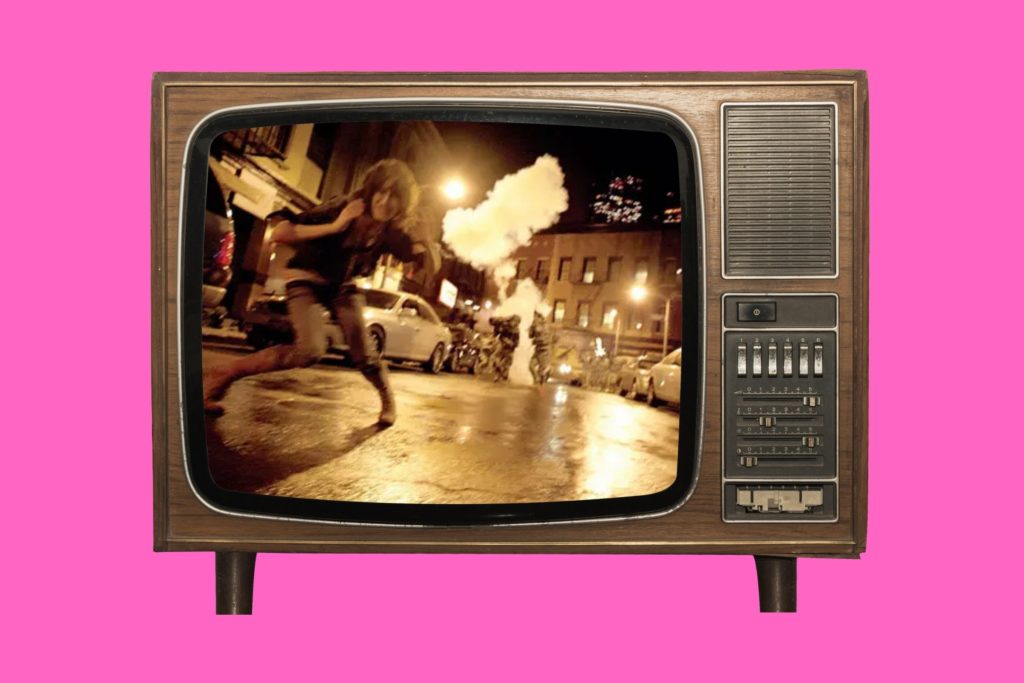
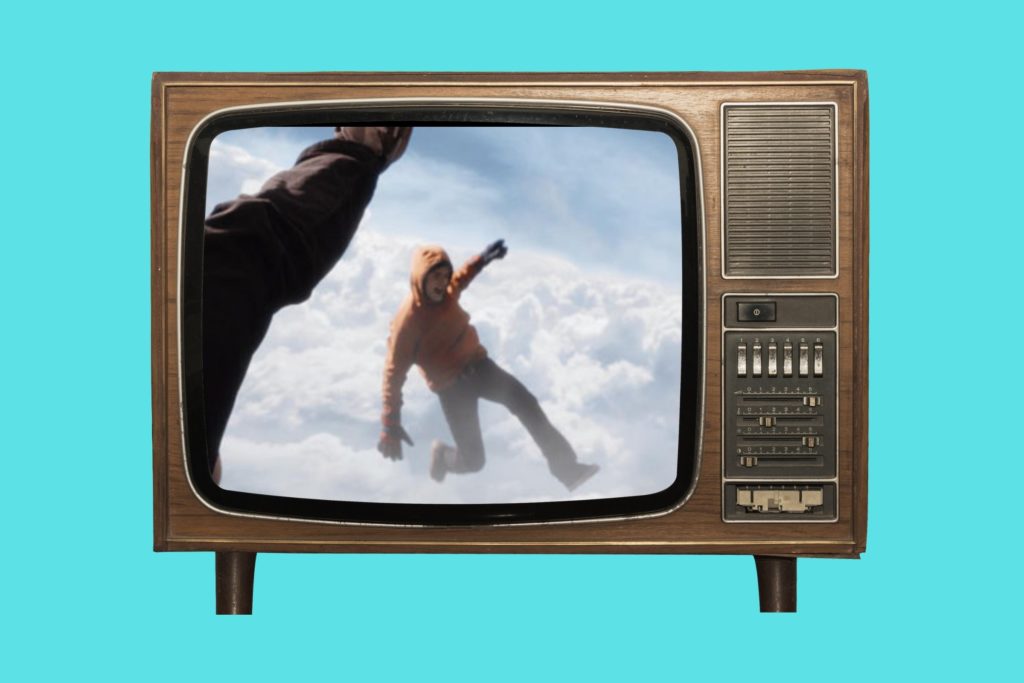
After the success of The Blair Witch Project, studios quickly recognised the potential of found footage horror. The format was inexpensive to produce and often generated huge audience reactions.
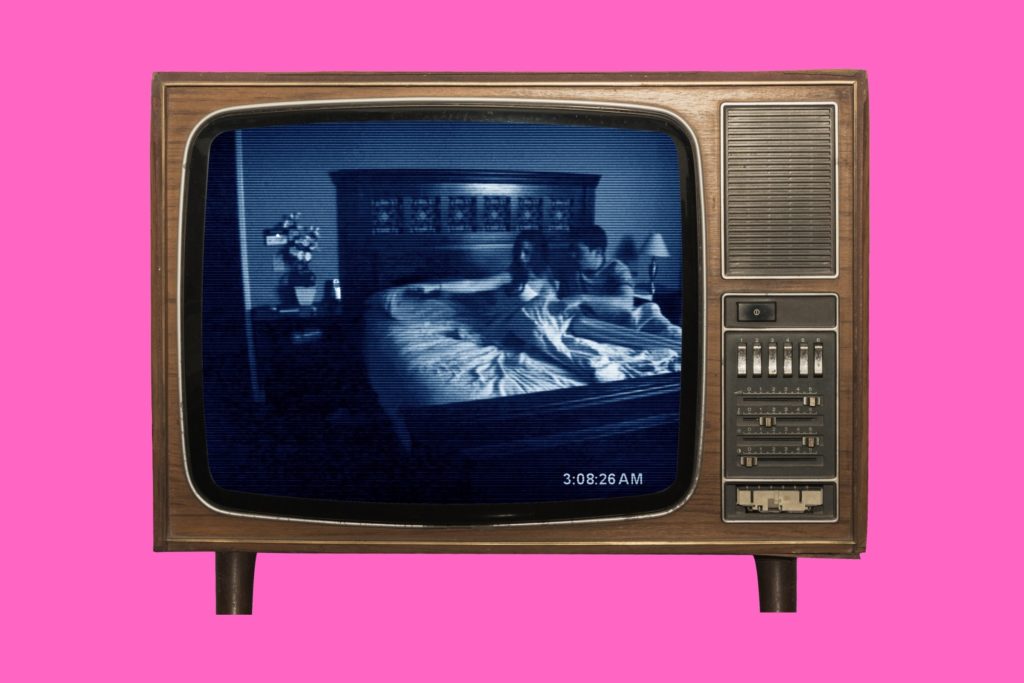
Paranormal Activity became the perfect example. Rather than setting the story in a remote forest, it brought horror into an ordinary suburban home. Small noises, moving doors and long static shots created enormous tension because so little appeared to happen. Viewers found themselves scanning every corner of the frame waiting for something to move.
Made for a tiny budget, the film went on to earn millions worldwide and inspired a new wave of found footage releases.
How Found Footage Continues to Evolve
One reason found footage remains relevant is its ability to evolve alongside technology.
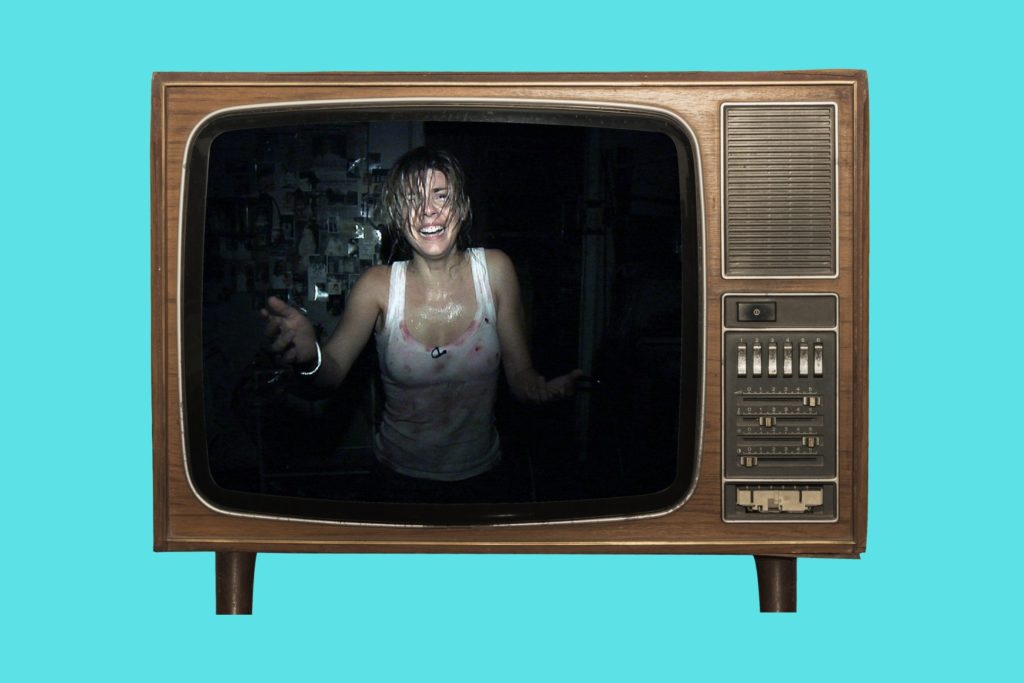
Earlier films relied on videotapes and camcorders. Later entries introduced digital cameras and mobile phones. More recent examples such as Host and Unfriended transformed laptops, livestreams and video calls into horror settings.
That evolution mirrors the way people document their lives today. Most of us instinctively reach for a phone when something unusual happens. As a result, the logic behind found footage often feels surprisingly believable.
The genre certainly has its flaws. Weak examples rely too heavily on shaky camerawork or characters making questionable decisions. Even so, the best found footage horror films still create something unique. They make audiences feel as though they have discovered something private, forbidden or never meant to be seen.
And horror has always been most effective when it feels just a little bit real.
Recommended Books
Danse Macabre — Stephen King
House of Psychotic Women — Kier-La Janisse
Found Footage Horror Films: Fear and the Appearance of Reality — Alexandra Heller-Nicholas
Apocalypse Cinema — Kim Newman