Documentaries
Documentary Films Explained – The Films That Changed Reality
Why Documentary Films Matter
For years, I honestly never thought about documentary films in the same way I thought about Goodfellas, Taxi Driver or Blue Velvet. Documentaries were just… documentaries. They were educational programmes you watched in school, nature shows narrated by calm BBC voices or historical series your parents had on in the background. Then I studied film properly in college and everything changed. During one documentary module I discovered Errol Morris’s The Thin Blue Line, and learning that a film had literally helped free an innocent man completely transformed the way I viewed documentaries forever. Suddenly documentaries weren’t just informative — they were powerful. They could challenge governments, expose corruption and genuinely change lives.
The Thin Blue Line and Cinema as Truth
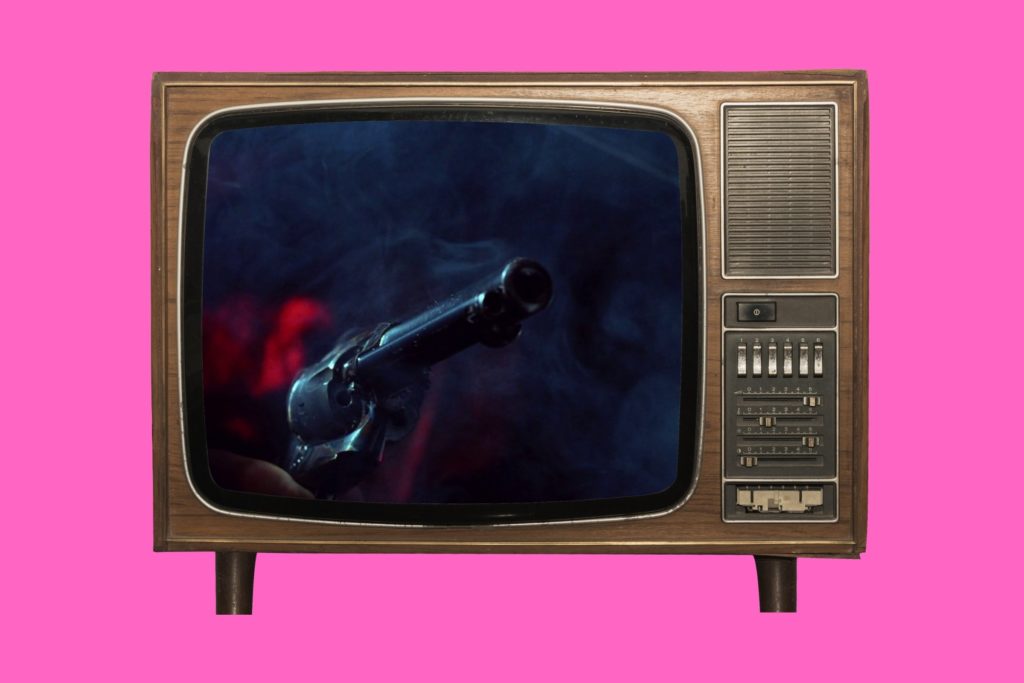
Watching The Thin Blue Line for the first time completely blew my mind. Instead of dry interviews and straightforward narration, Errol Morris approached the case like a cinematic mystery. Through stylised reconstructions, conflicting testimony and hypnotic storytelling, the documentary slowly revealed how badly the justice system had failed Randall Adams. What fascinated me most was how cinematic it felt. Morris understood that documentaries could be suspenseful, emotional and visually inventive while still dealing with real events. More importantly, the film helped lead to Adams being released from prison after serving twelve years for a crime he didn’t commit. Once you realise a documentary can literally alter reality, you never quite watch cinema the same way again.
Direct Cinema and the Documentary Revolution
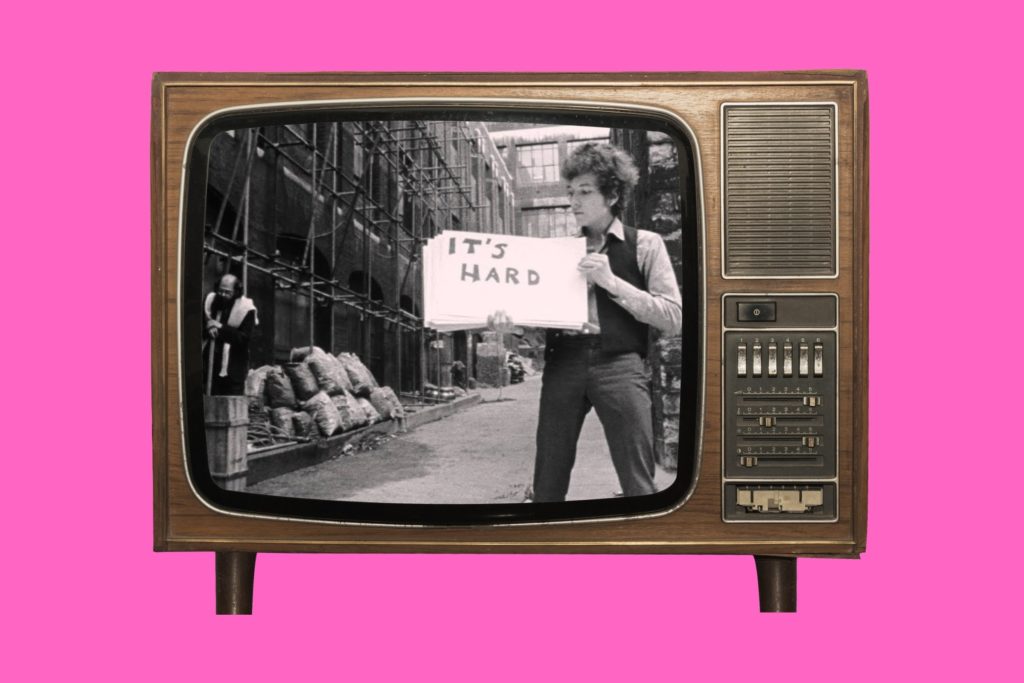
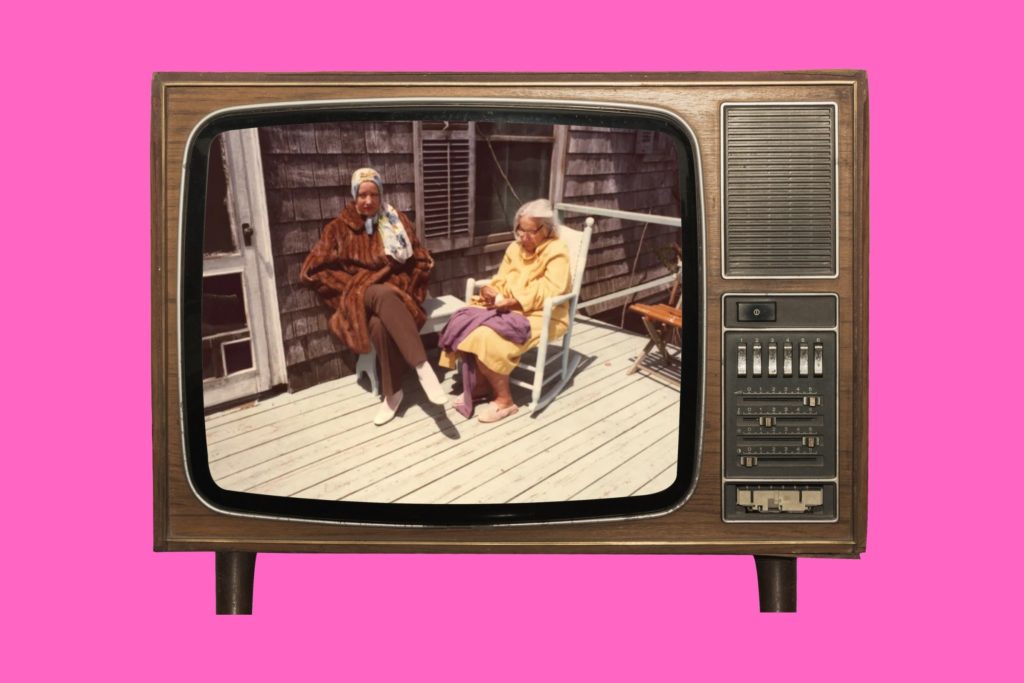
Modern documentaries owe a huge debt to the Direct Cinema movement of the 1960s. Filmmakers like D.A. Pennebaker, Frederick Wiseman and the Maysles brothers abandoned stiff educational formats and instead dropped audiences directly into real situations as events unfolded naturally. Films like Dont Look Back, Primary and Grey Gardens suddenly made documentaries feel immediate and alive. Instead of telling viewers what to think, these films simply observed people, conversations and environments with incredible intimacy. That naturalistic style completely changed documentary filmmaking and still influences modern documentaries today, from true crime series to behind-the-scenes music films.
Hoop Dreams, Paradise Lost and Modern Documentaries
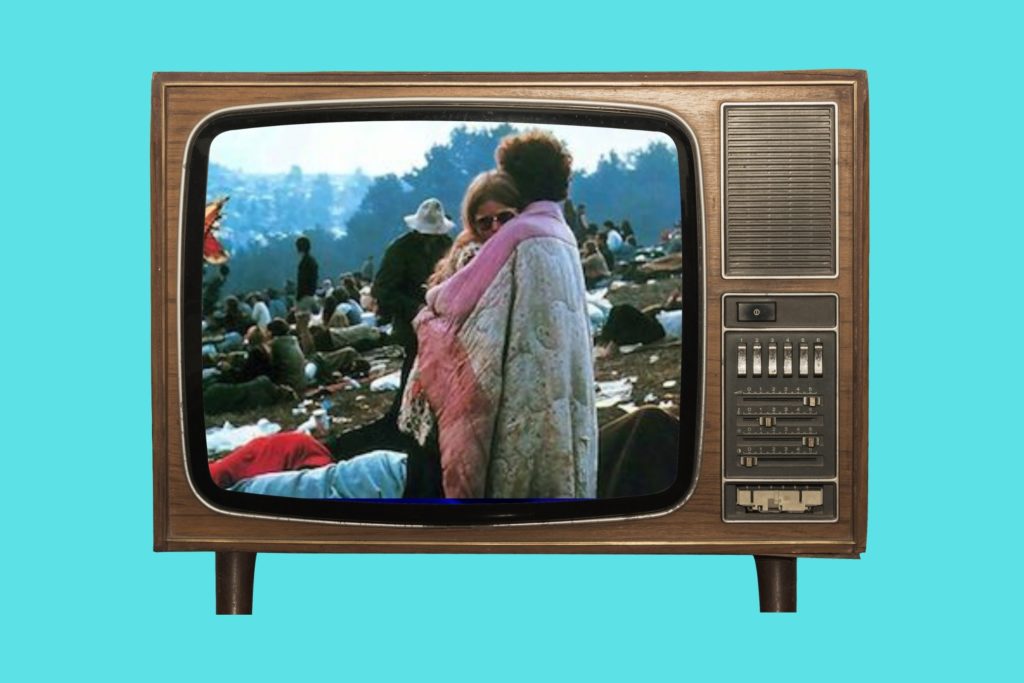
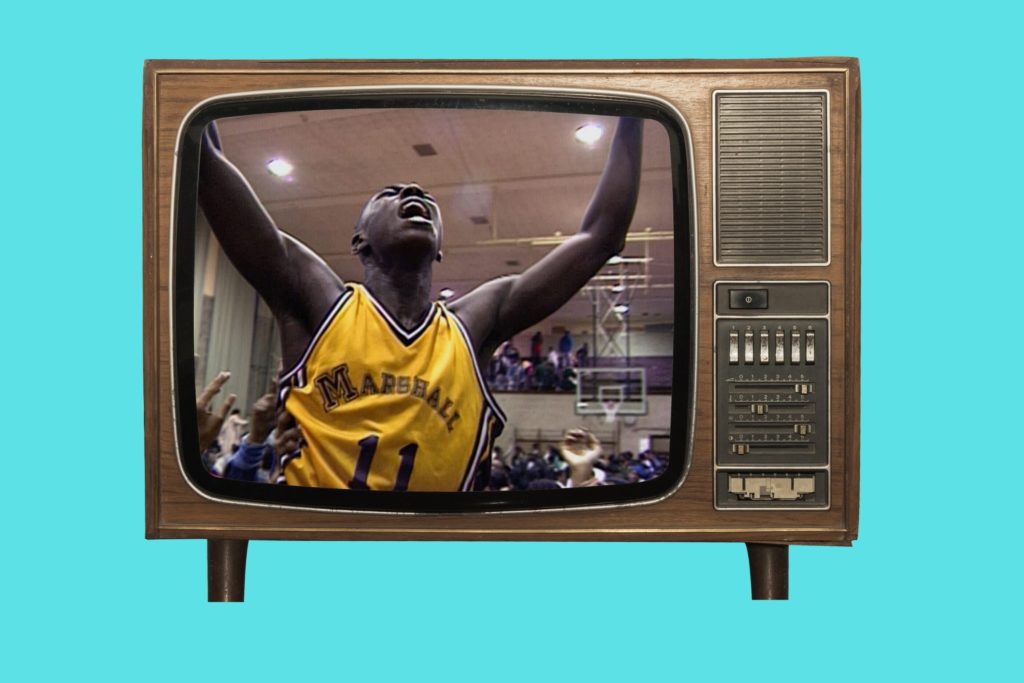
By the late 1980s and 1990s, documentaries became more emotional, cinematic and politically charged. Hoop Dreams remains one of the greatest examples because it transforms the lives of two Chicago teenagers into something genuinely epic and heartbreaking. Around the same period, Paradise Lost helped reinvent true crime documentaries long before Netflix turned the genre into mainstream entertainment. Watching those films now, you can clearly see the DNA of Making a Murderer, The Staircase and The Jinx. Documentary filmmakers suddenly realised audiences would invest emotionally in real stories just as deeply as fictional dramas. In some cases, even more deeply.

Streaming Changed Documentary Cinema Forever
Streaming platforms completely transformed documentary culture. Growing up, documentaries often felt hidden away on late-night television schedules or specialist channels. Today they dominate Netflix, BBC iPlayer, HBO and Amazon Prime. Nature documentaries like Planet Earth became massive global events, while true crime documentaries turned into cultural obsessions almost overnight. The format also became far more cinematic. Modern documentaries now use sophisticated sound design, dramatic editing, reconstructed scenes and emotional storytelling techniques borrowed directly from Hollywood filmmaking. As a result, documentary films no longer feel like niche educational content. They’ve become one of the most important storytelling forms in modern cinema.
Why Documentary Films Still Matter
What I love most about documentaries is that they constantly remind us reality is often stranger, darker and more emotionally complicated than fiction. Great documentaries expose corruption, challenge authority and preserve moments of history that might otherwise disappear. At the same time, they allow audiences to connect with people and experiences far outside their own lives. In an era filled with endless online noise, documentaries arguably matter more than ever because they force us to engage with the real world. And honestly, some of the most powerful, moving and unforgettable films I’ve ever seen weren’t fictional stories at all — they were documentaries.
Recommended Books on Documentary Films
Documentary Now! — Matthew Remski
A lively and highly accessible exploration of modern documentary filmmaking.
Easy Riders, Raging Bulls — Peter Biskind
Excellent insight into the filmmakers who reshaped American cinema, including documentary influences.
Burden of Dreams — Les Blank
Fascinating companion book examining the chaotic making of Fitzcarraldo.
The Kid Stays in the Picture — Robert Evans
Wildly entertaining Hollywood memoir touching on the rise of behind-the-scenes storytelling culture.
Conversations with Errol Morris — Errol Morris
Insightful and funny discussions about documentary filmmaking and storytelling.