
David Lynch
David Lynch Explained – Dreams, Nightmares and the Dark Heart of American Cinema
How I Discovered David Lynch
Like a lot of people of my generation, my introduction to David Lynch came through Twin Peaks when it first appeared on British television in 1990. I was in my mid-teens at the time and honestly, I’d never seen anything remotely like it before. Television simply wasn’t supposed to feel that strange, cinematic or hypnotic. One minute it felt like a quirky soap opera, then suddenly it became genuinely terrifying. At the same time, it was funny, melancholy and dreamlike in ways I couldn’t quite explain. I became completely obsessed with it almost immediately, and from there I disappeared headfirst into the strange and unsettling world of David Lynch films.
Blue Velvet and the Dark Side of America
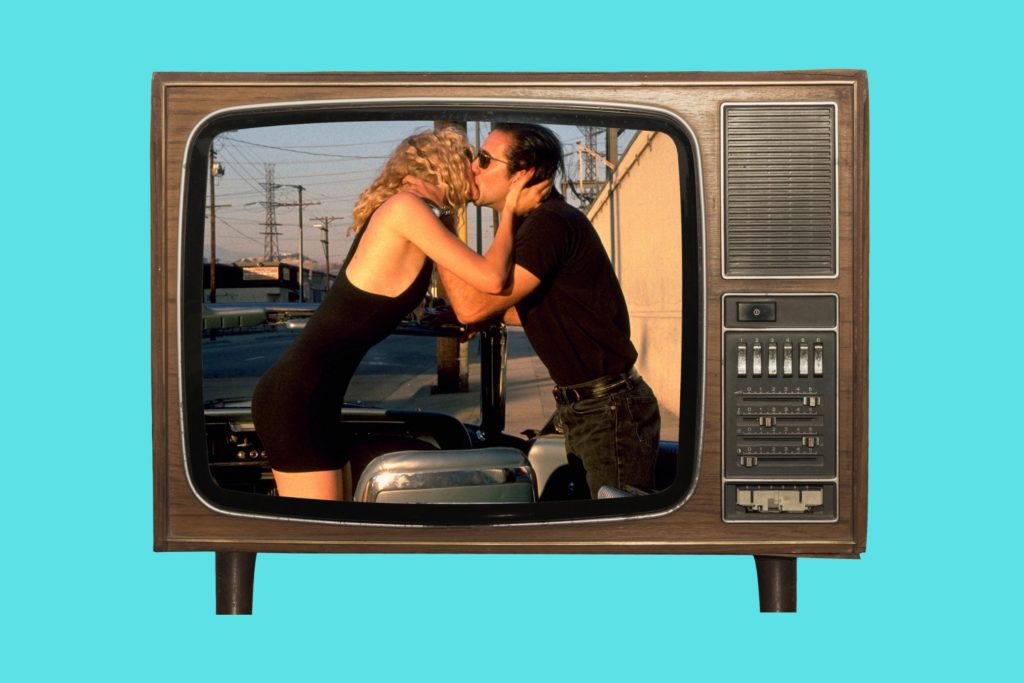
That obsession quickly led me towards Blue Velvet, Eraserhead, Wild at Heart and eventually Mulholland Drive. Looking back now, I can honestly say that David Lynch shaped my understanding of cinema as much as Martin Scorsese or Stanley Kubrick did during my teenage years. Blue Velvet especially had a huge impact on me because it completely dismantled the comforting image of suburban America I’d seen in countless mainstream films. What begins as nostalgic Americana slowly descends into violence, obsession and psychological darkness. That became one of Lynch’s defining themes — the idea that beneath ordinary life sits something deeply unsettling. Few filmmakers captured hidden American anxiety quite like Lynch.
Why Lynchian Cinema Feels So Unique
What makes Lynchian cinema so fascinating is that his films rarely operate like conventional stories. Instead, they feel more like dreams or fragmented memories. Logic becomes unstable. Characters shift identities. Familiar environments suddenly feel threatening or unreal. However, Lynch never embraced surrealism simply for the sake of being strange. He began as a painter before becoming a filmmaker, and you can feel that artistic background in every frame. Sound design, lighting, music and atmosphere become just as important as dialogue or plot. Watching a David Lynch film often feels less like following a narrative and more like stepping inside somebody else’s subconscious.
Twin Peaks and the Reinvention of Television
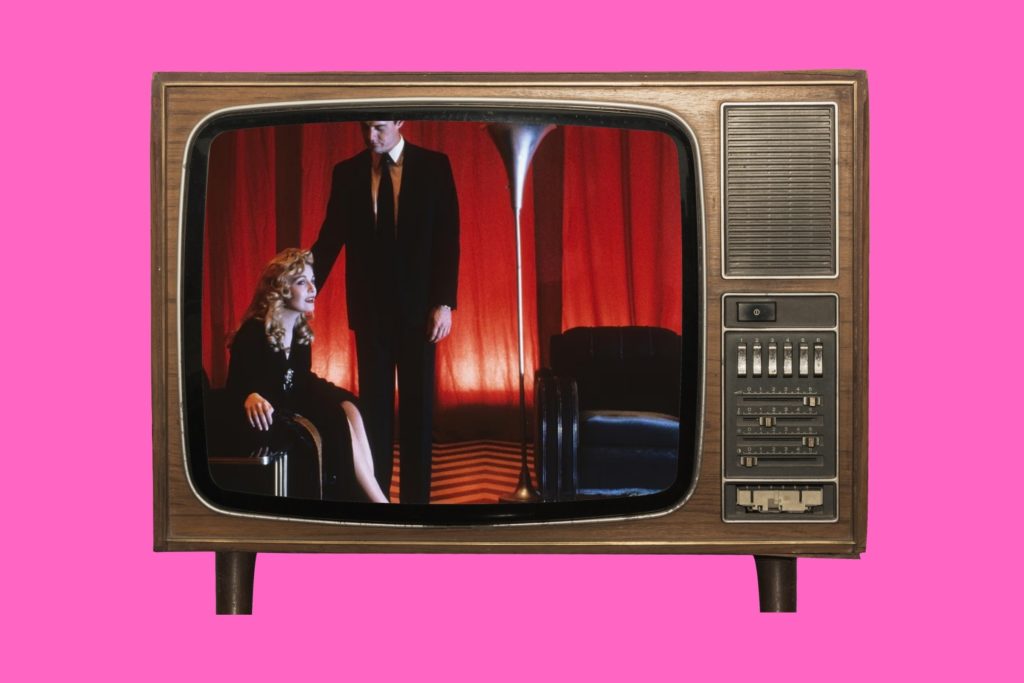
It’s almost impossible to overstate how influential Twin Peaks became. Long before The Sopranos, Breaking Bad or prestige television dramas dominated popular culture, Lynch and Mark Frost completely changed what television storytelling could look and feel like. The series blended murder mystery, horror, soap opera melodrama and surrealism into something entirely unique. More importantly, Lynch trusted audiences enough not to explain everything. He allowed mystery and ambiguity to exist without spoon-feeding viewers easy answers. That willingness to embrace uncertainty helped make Twin Peaks feel genuinely revolutionary and its influence still echoes through modern television today.
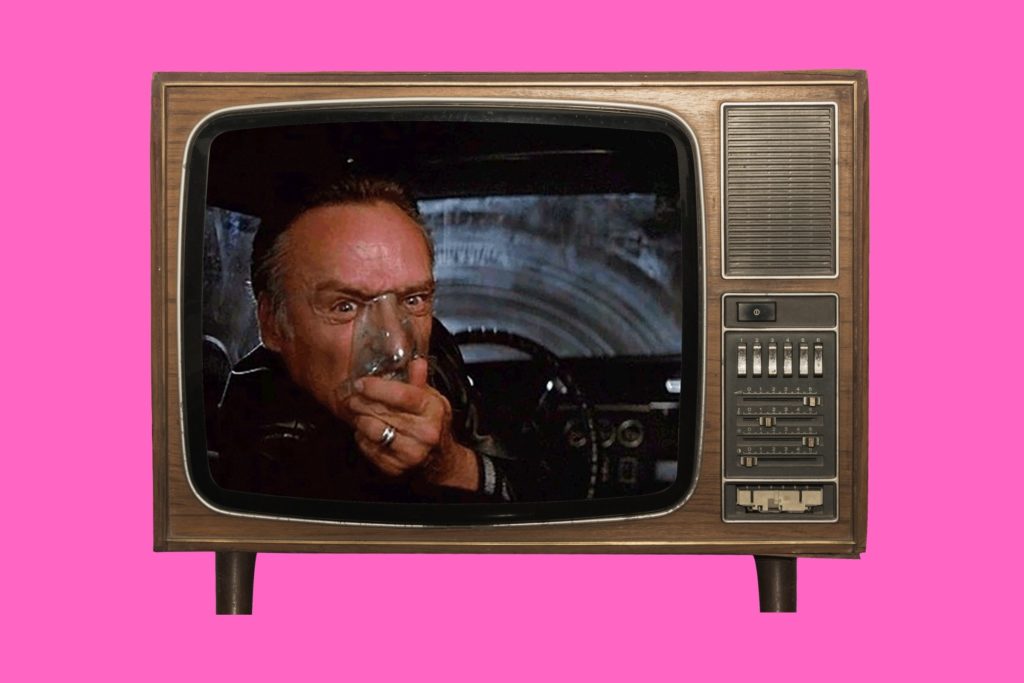
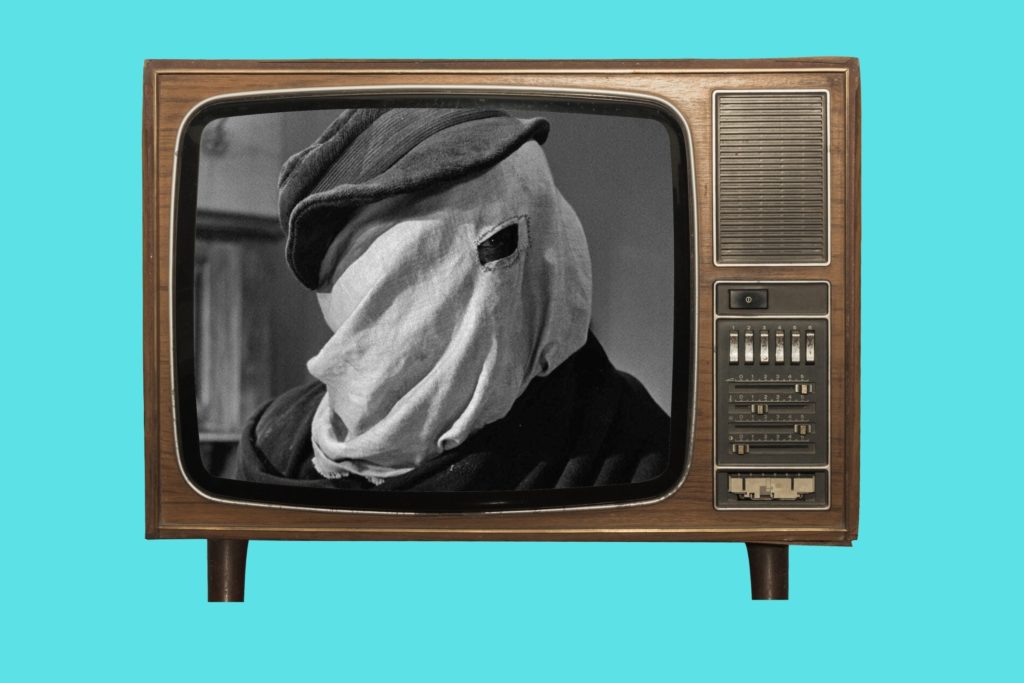
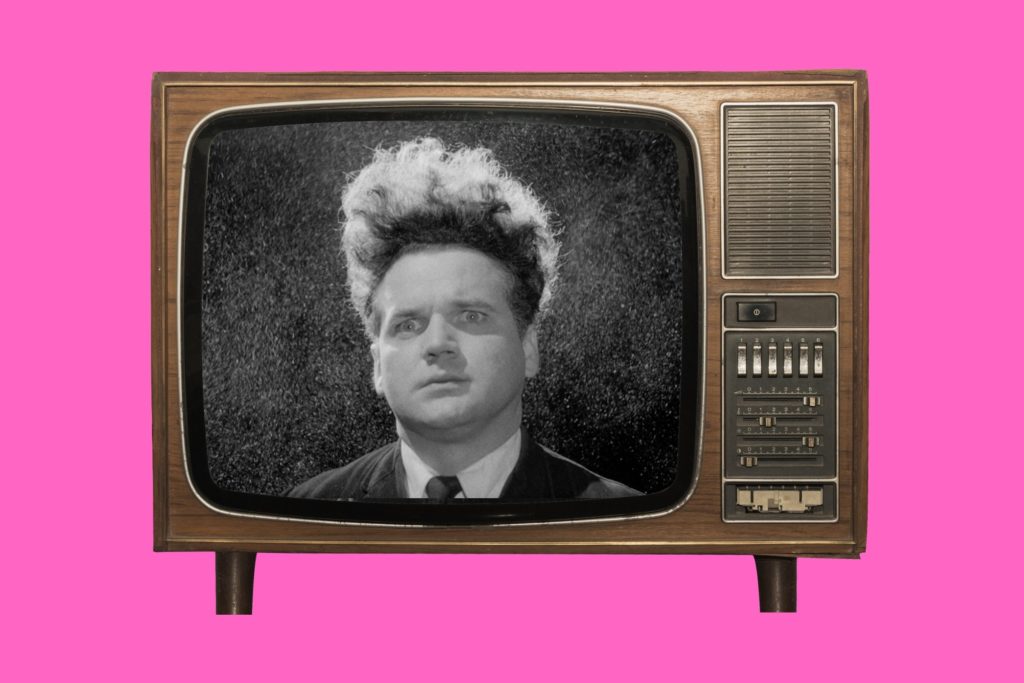
Mulholland Drive, Film Noir and Surrealism
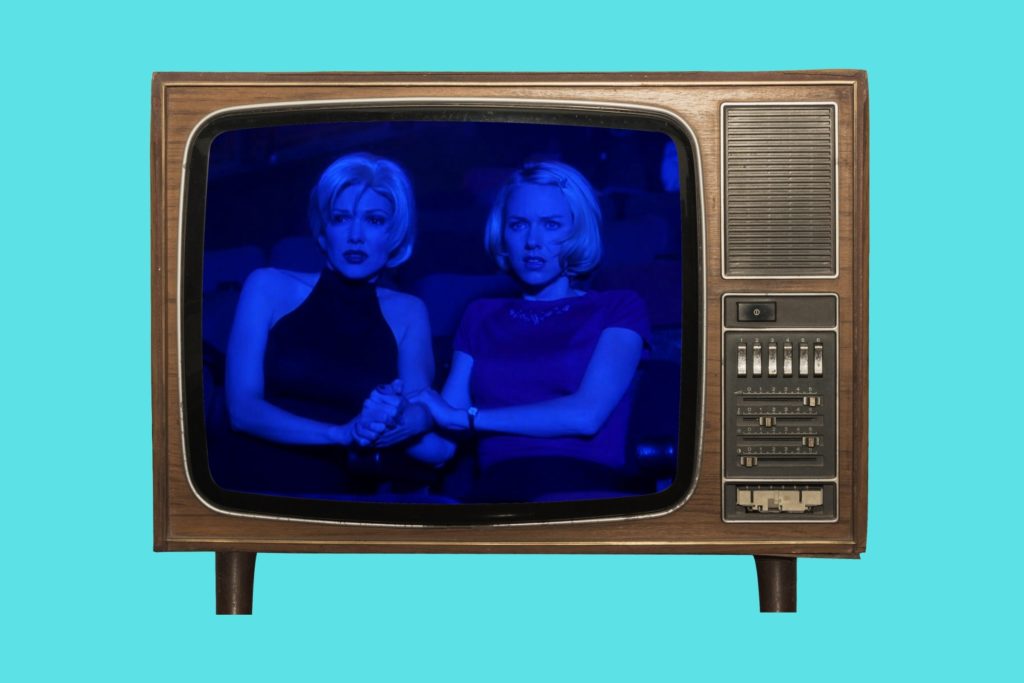
You can also clearly see the influence of classic film noir and surrealist cinema running throughout Lynch’s work. Directors like Luis Buñuel and Federico Fellini helped shape his dreamlike approach to storytelling, while old Hollywood noir heavily influenced films like Mulholland Drive, Lost Highway and Blue Velvet. Identity, paranoia, obsession and fractured reality constantly appear throughout his work. Mulholland Drive in particular remains one of the most extraordinary films of the twenty-first century because it captures the terrifying instability of dreams better than almost any other modern movie. Even now, decades later, people continue debating and analysing it endlessly.
Why David Lynch Still Matters
What I’ve always loved most about David Lynch is that he never underestimated audiences. He trusted viewers to experience films emotionally rather than needing every detail explained logically. Sometimes his work is frightening. Sometimes it’s oddly comforting. Occasionally it’s completely baffling. But it’s never forgettable. In an era where so much mainstream cinema feels over-explained and heavily controlled, Lynch reminds us that films can still feel mysterious, dangerous and genuinely personal. That’s why people continue returning to his work decade after decade. Once you enter Lynch’s world, there’s honestly nothing else quite like it.
Recommended Books on David Lynch
Lynch on Lynch edited by Chris Rodley
Essential interviews covering Lynch’s entire career and creative philosophy.
Room to Dream by David Lynch and Kristine McKenna
Brilliant hybrid biography and autobiography exploring Lynch’s life and filmmaking process.
David Lynch: Beautiful Dark by Greg Olson
A deep but highly readable exploration of Lynch’s films and artistic influences.
Reflections: An Oral History of Twin Peaks by Brad Dukes
Fantastic behind-the-scenes look at the creation and legacy of Twin Peaks.
David Lynch Decoded by Mark Allyn Stewart
Accessible analysis of Lynch’s recurring themes, symbolism and surrealism.
The Complete Lynch by David Hughes
Excellent overview of every Lynch project across film and television.
Catching the Big Fish by David Lynch
Fascinating insight into Lynch’s creativity, meditation and artistic mindset.