Conspiracy
Thrillers
Conspiracy Thrillers Explained – Paranoia, Power and the Fear Behind 1970s Cinema
What Are Conspiracy Thrillers?
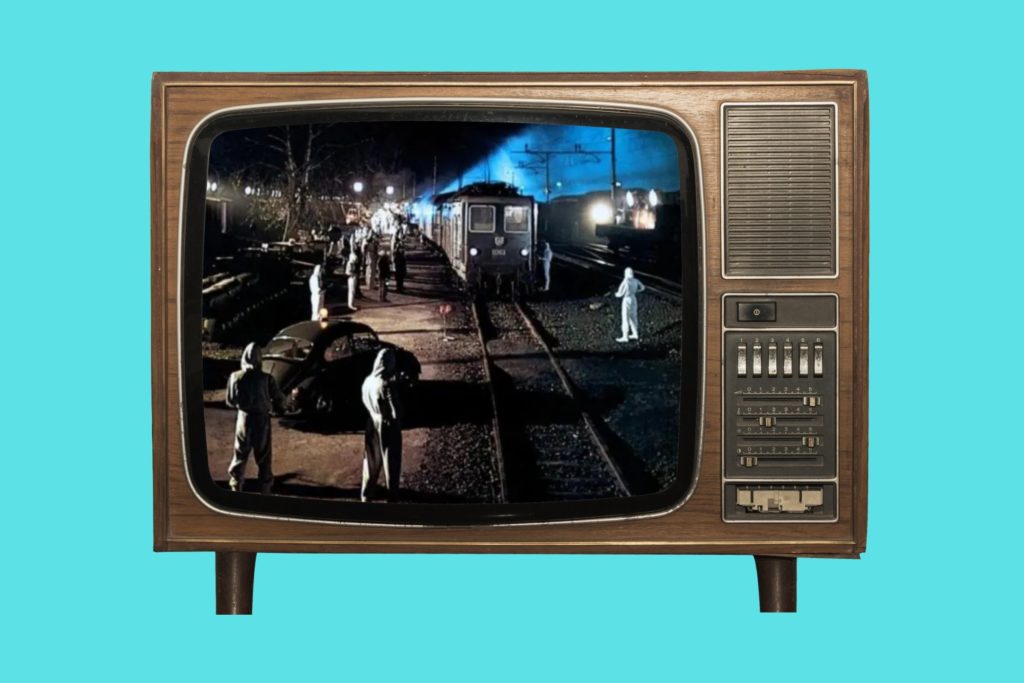
Conspiracy thrillers fascinated me long before I properly understood there was an actual genre attached to them. Growing up in Britain during the eighties, these films seemed to appear constantly on late-night BBC and ITV schedules. I probably watched The Cassandra Crossing, Silver Streak and the 1979 version of The Lady Vanishes within the same few years, which convinced me that trains were somehow central to cinematic paranoia. And honestly, trains really are perfect for conspiracy thrillers. They’re enclosed spaces full of strangers, secrets and tension. You can’t easily escape, and somebody always knows more than they’re saying. That growing sense of dread sits right at the heart of great paranoia cinema.
The Rise of 1970s Paranoia Cinema
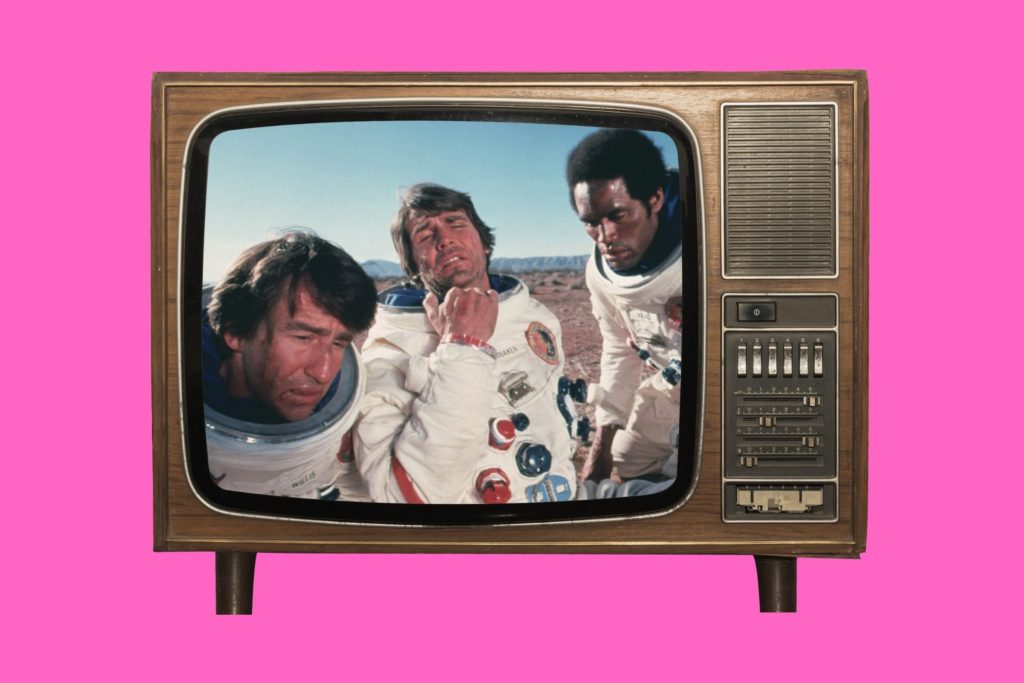
Most of the classic conspiracy thrillers emerged during the 1970s, which makes complete sense when you look at the political climate of the period. Watergate, Vietnam and public distrust of authority completely changed the mood of American cinema. Suddenly audiences no longer automatically trusted governments, corporations or intelligence agencies. Films responded almost immediately. Instead of heroic institutions, seventies thrillers focused on whistleblowers, journalists and ordinary people uncovering corruption hidden behind layers of bureaucracy and secrecy. What makes these films so unsettling is that the villains often aren’t monsters or serial killers. Instead, the danger comes from institutions that are supposedly there to protect us.
Alan J. Pakula and the Art of Paranoia
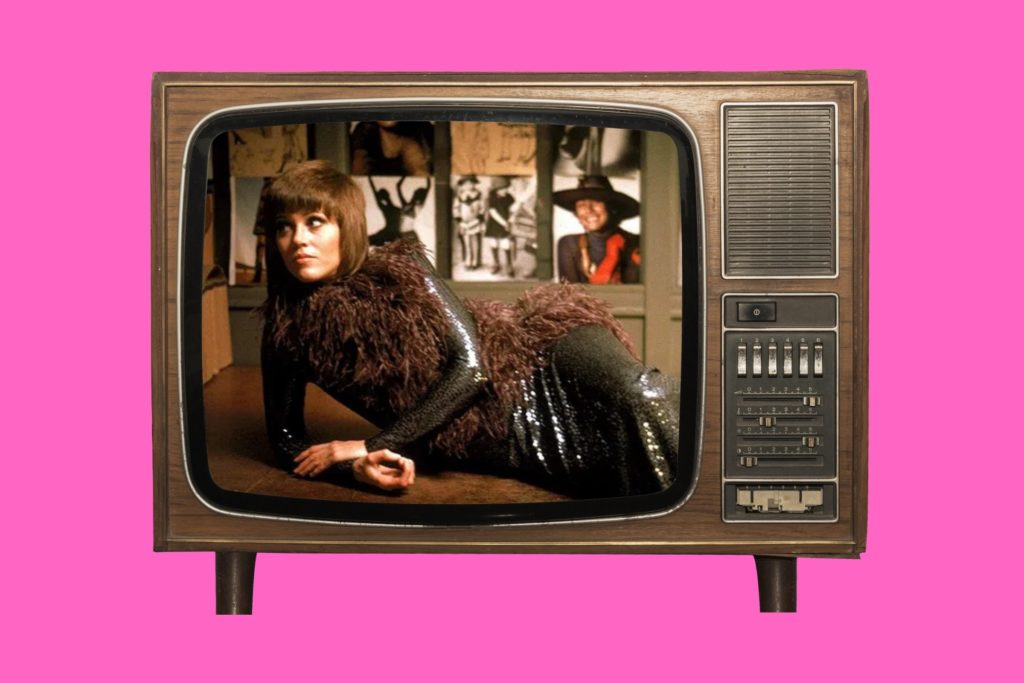
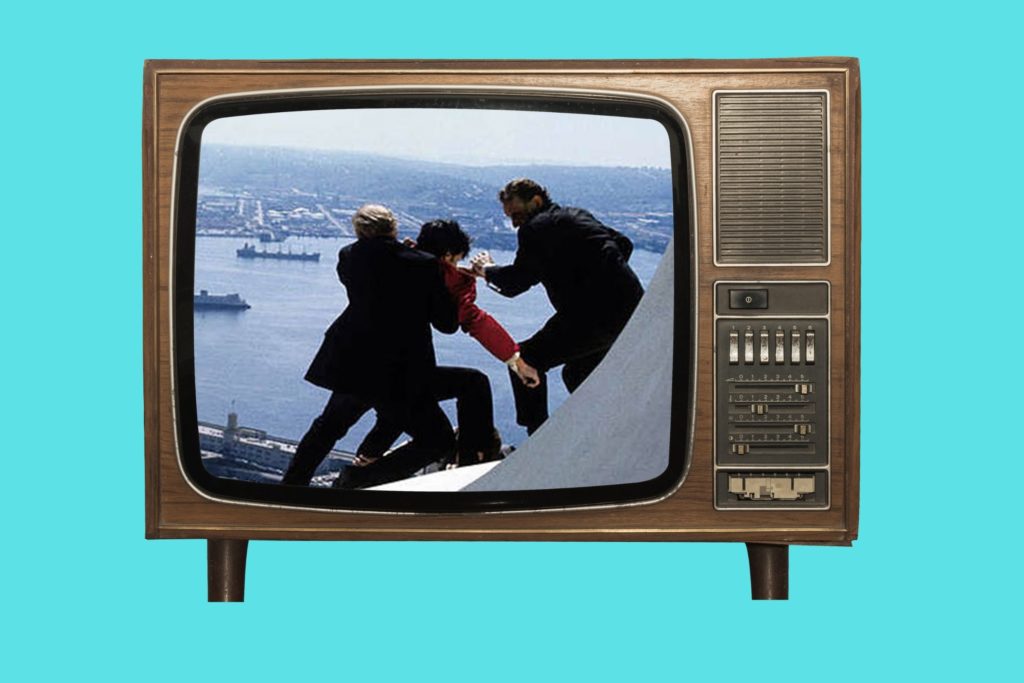
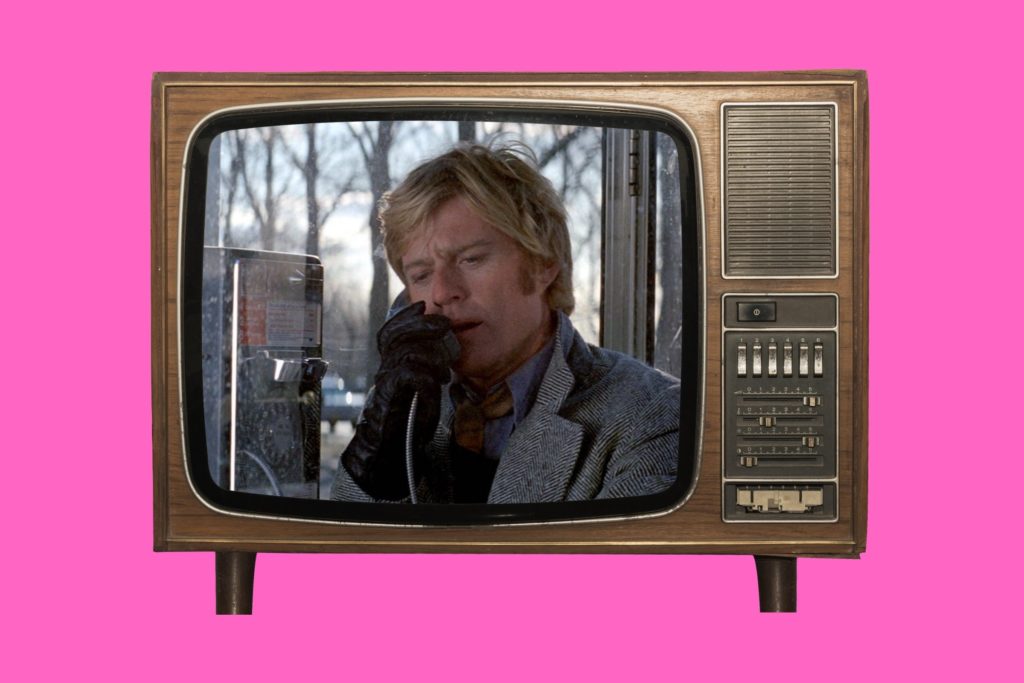
No filmmaker captured that atmosphere better than Alan J. Pakula. Films like The Parallax View, Klute and All the President’s Men perfected the visual language of conspiracy thrillers. Muted colours. Empty office buildings. Lonely city streets. Tiny figures trapped inside huge architectural spaces. Pakula understood how to make characters feel overwhelmed by systems far larger than themselves. Watching The Parallax View now still feels deeply unsettling because the film creates the sense that powerful forces are operating just out of sight. Meanwhile, Three Days of the Condor turns Robert Redford into the ultimate paranoid hero — an ordinary analyst suddenly trapped inside a nightmare of political deception and surveillance.
Why Conspiracy Thrillers Still Work
One reason conspiracy thrillers remain so effective is because they tap into universal fears that never really disappear. These films constantly ask uncomfortable questions about who actually controls information and power. Whether it’s government corruption, corporate greed or media manipulation, the genre thrives on uncertainty and mistrust. Even the endings often refuse easy comfort. In many conspiracy thrillers, discovering the truth doesn’t guarantee victory because the systems involved are simply too large and too powerful. That bleakness gives seventies paranoia cinema its unique atmosphere. The heroes are usually exhausted, isolated and morally compromised long before the credits roll.
The Influence on Modern Cinema
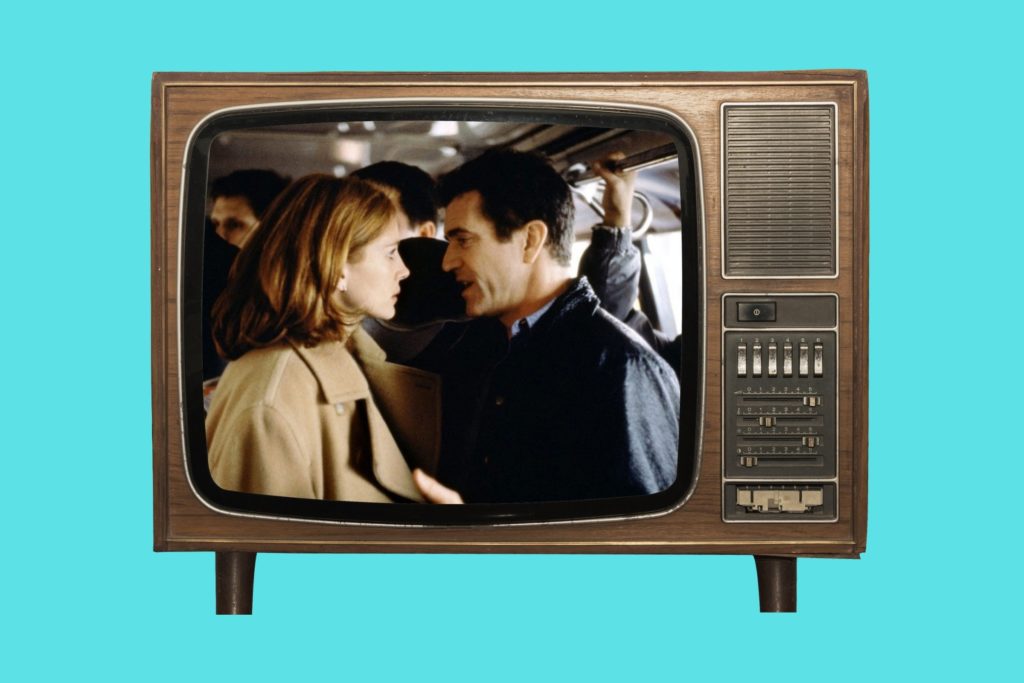
The influence of conspiracy thrillers never really faded away. Modern political thrillers still borrow heavily from the visual style and themes developed during the seventies. You can see the DNA of Pakula’s films everywhere from the Bourne series and Enemy of the State to Michael Clayton and The X-Files. Even contemporary television dramas built around surveillance and government conspiracies owe a huge debt to this era of filmmaking. More importantly, these films changed how thrillers approached suspense. Instead of relying purely on action or violence, conspiracy cinema creates tension through information, secrecy and paranoia. The fear comes from not knowing who can be trusted.
Why I Love Conspiracy Thrillers
What I still love most about conspiracy thrillers is the atmosphere. These films feel cold, suspicious and endlessly tense in ways modern blockbusters rarely manage. They force audiences to pay attention because every conversation, document and passing glance might matter later. At the same time, the best examples of the genre reflect real-world anxieties in fascinating ways. Watching The Cassandra Crossing or Klute now, many of the fears they explore still feel surprisingly relevant. And honestly, that’s probably why conspiracy thrillers continue to endure. Beneath the paranoia and suspense lies a very simple fear: the idea that powerful people are making decisions far away from ordinary lives, and we only ever see fragments of the truth.
Recommended Books
The Parallax View: A Visual History of Conspiracy Cinema — J. Hoberman
A brilliant exploration of paranoia, political distrust and conspiracy storytelling in cinema.
Easy Riders, Raging Bulls — Peter Biskind
Essential reading on seventies American cinema and the filmmakers who shaped paranoia thrillers.
Hollywood’s Last Golden Age — Michael Berkowitz
A highly readable look at politically charged American cinema during the seventies.
Projecting Paranoia — Ray Pratt
Excellent breakdown of conspiracy narratives and political thrillers in film history.
The Big Goodbye — Sam Wasson
Focused on Chinatown, but brilliantly captures the mood of paranoid seventies filmmaking.
Pauline Kael: A Life in the Dark — Brian Kellow
Fascinating insight into the critical and cultural world surrounding seventies American cinema.
Conspiracy Cinema: A Tour of Dark Places in the American Conscious — David Sterritt
A superb exploration of how conspiracy thrillers reflected real-world anxieties and distrust.