

Brian De Palma
Brian De Palma and the Art of Hitchcockian Cinema
Brian De Palma and New Hollywood
My gateway into Brian De Palma films was probably the same as many people growing up in the late eighties and early nineties: Scarface. At that age, the film felt dangerous, outrageous and endlessly quotable. Al Pacino shouting “Say hello to my little friend!” became playground mythology long before most of us were old enough to fully understand the film itself. However, once I started exploring De Palma’s other films — Carrie, Blow Out, Dressed to Kill and The Untouchables — it became clear there was much more happening beneath the surface. This wasn’t simply a director making stylish thrillers. Brian De Palma was obsessed with cinema itself. His films feel energetic, bold and completely unashamed of style.
Hitchcock’s Influence on De Palma
It’s impossible to discuss Brian De Palma without mentioning Alfred Hitchcock because the comparison has followed him throughout his career. Critics often accused him of imitation, but honestly, I think that misses the point. De Palma wasn’t copying Hitchcock. Instead, he reworked Hitchcockian suspense for the paranoia and violence of seventies and eighties American cinema. You can spot Hitchcock’s influence everywhere in De Palma’s work: voyeuristic camera angles, mistaken identities, elaborate suspense scenes and morally flawed characters. At the same time, De Palma pushed those ideas further than Hitchcock could during the studio era. Split screens, slow motion, long tracking shots and graphic violence became major parts of his visual style. Watching a De Palma film often feels like watching cinema show off in the best possible way.
Carrie and Horror Cinema
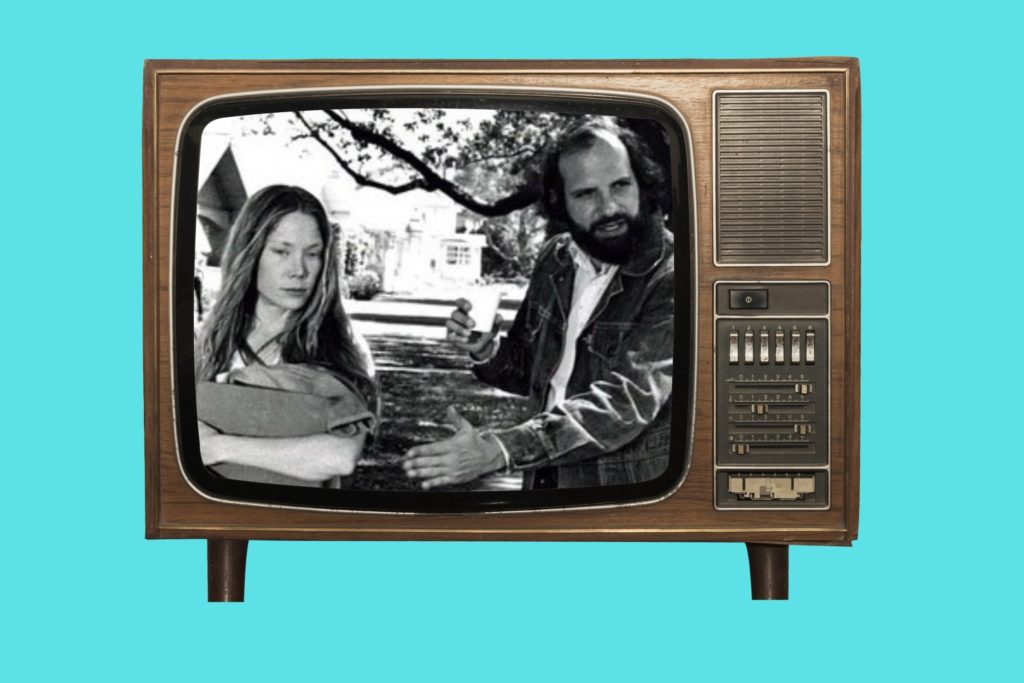
Although De Palma had directed several films already, Carrie (1976) truly established him as a major filmmaker. Adapted from Stephen King’s debut novel, the film could easily have become a cheap exploitation horror movie. Instead, De Palma turned it into something tragic, emotional and genuinely upsetting. Even now, the prom sequence remains one of the greatest horror scenes ever filmed. The slow-motion build-up creates unbearable tension, while the split-screen chaos adds to the nightmare feeling. Pino Donaggio’s haunting music ties everything together beautifully. More importantly, Carrie works because the horror grows naturally from bullying, loneliness and repression. Sissy Spacek gives an extraordinary performance, but De Palma’s direction elevates the film into something almost operatic.
Blow Out and Cinematic Paranoia
If I had to recommend one Brian De Palma film to explain why he matters, it would probably be Blow Out (1981). The story follows a sound technician who accidentally records evidence of a political assassination. In another director’s hands, it might have become a straightforward conspiracy thriller. However, De Palma transforms it into something far darker and more emotional. The film explores surveillance, media manipulation and cinematic illusion with incredible confidence. Every camera movement and sound effect feels carefully designed to build paranoia. Meanwhile, John Travolta delivers one of the strongest performances of his career. The film also contains one of the bleakest endings in American cinema. Even decades later, it still lands with enormous emotional force.
Scarface and Cinematic Excess
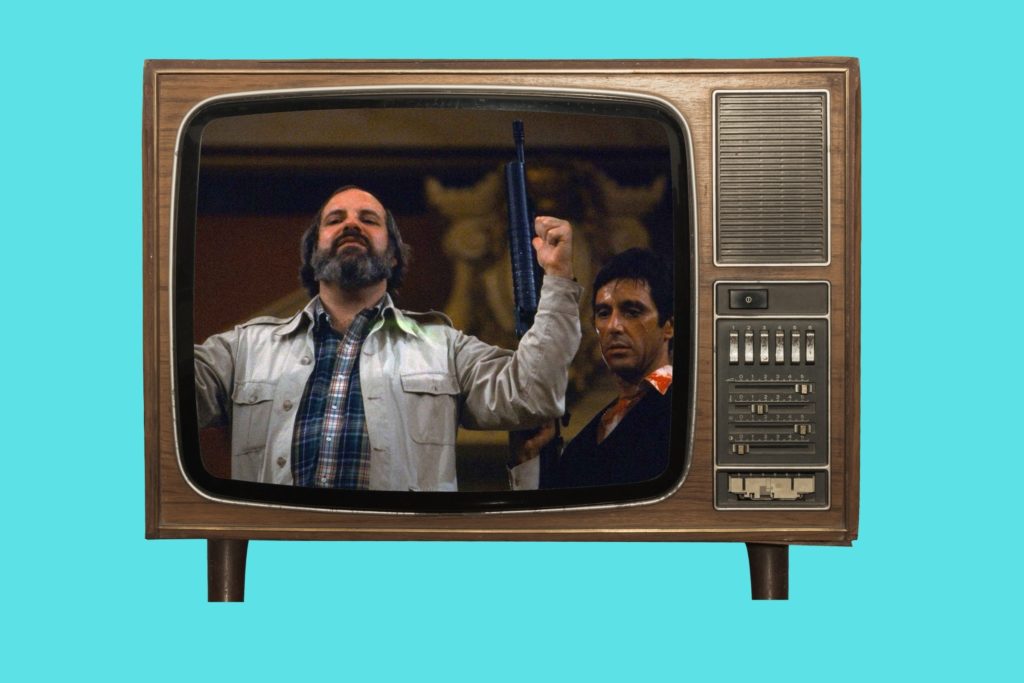
Then there’s Scarface (1983), which remains De Palma’s most famous film in popular culture. When it first appeared, many critics dismissed it because of the violence and excess. Over time, though, it became one of the defining gangster films of the twentieth century. What fascinates me most about Scarface is how completely it embraces excess in every area. Excessive ambition. Excessive greed. Excessive violence. Tony Montana becomes the ultimate symbol of obsession and self-destruction. De Palma directs the film with relentless energy, while Oliver Stone’s screenplay adds political bite beneath the chaos. Al Pacino’s huge performance somehow holds everything together. As a result, the film became massively influential across hip hop culture, fashion, music videos and crime cinema.
Why Brian De Palma Still Matters
What makes Brian De Palma so important is that his films never feel anonymous. Modern thrillers often look polished, but many feel strangely interchangeable. De Palma’s films avoid that problem completely because they always contain personality. Even his weaker films include moments of visual brilliance that remind you why he matters. Directors like David Fincher, Quentin Tarantino, Edgar Wright and Nicolas Winding Refn clearly owe something to his visual style. More importantly, De Palma understood that cinema should feel cinematic. His films embrace style without apology through split screens, bold colours, long tracking shots and heightened emotion. Everything feels larger than life. And honestly, that’s probably why his best work remains so endlessly rewatchable decades later.
Recommended Books and Documentaries
Are Snakes Necessary? — Brian De Palma and Susan Lehman
A wildly entertaining crime novel co-written by De Palma himself, packed with voyeurism, conspiracy and classic De Palma themes.
Brian De Palma Interviews — Edited by Laurence F. Knapp
One of the best ways to understand De Palma’s filmmaking philosophy in his own words, covering everything from Hitchcock to Scarface.
The Devil’s Candy — Julie Salamon
A brilliant and highly readable behind-the-scenes account of the disastrous production of Bonfire of the Vanities.
Easy Riders, Raging Bulls — Peter Biskind
Essential reading on the New Hollywood generation of filmmakers that De Palma emerged from alongside Spielberg, Scorsese and Coppola.
De Palma (2015 Documentary)
No discussion of De Palma is complete without Noah Baumbach and Jake Paltrow’s superb documentary, featuring the director walking through his career film by film.
Hitchcock/Truffaut — François Truffaut
Absolutely essential for understanding the Hitchcockian influence running throughout De Palma’s entire body of work.
Sisters, Obsession and Spectacle: The Cinema of Brian De Palma — Douglas Keesey
Excellent critical overview of De Palma’s recurring themes, visual style and controversial reputation.
Carlito’s Way and the Cinema of Redemption — Nathan Rabin
A fascinating exploration of one of De Palma’s most emotionally mature and underrated gangster films.