

The Brat Pack
The Brat Pack and the Teen Movie Revolution of the 1980s
What Was the Brat Pack?
My fascination with the Brat Pack started long before I properly understood what the term even meant. Like a lot of film fans who grew up obsessed with 1980s cinema, I first discovered these films through endless VHS rentals, late-night television screenings and movie magazines that treated stars like Molly Ringwald, Emilio Estevez and Judd Nelson as the absolute centre of youth culture. What immediately stood out to me was how emotionally honest these films felt compared to so many earlier teen movies. They weren’t simply broad comedies or disposable high school dramas. Instead, films like The Breakfast Club, Pretty in Pink and St. Elmo’s Fire captured loneliness, insecurity, friendship and social anxiety in ways that genuinely connected with audiences. That emotional realism is a huge reason why the Brat Pack still matters today.
The Breakfast Club and Teen Cinema
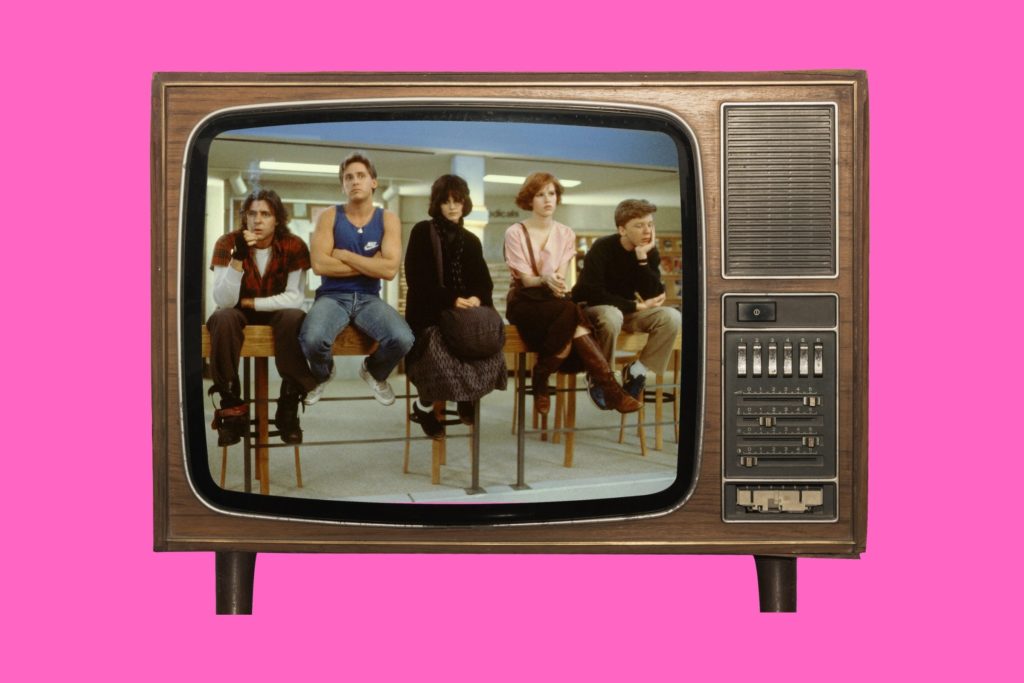
It’s impossible to talk about the Brat Pack without talking about The Breakfast Club because, honestly, it remains one of the defining films of 1980s teen cinema. Directed by John Hughes, the film took five recognisable teenage stereotypes — the rebel, the athlete, the outsider, the brain and the popular girl — and slowly dismantled them over the course of a single detention session. What makes the film so powerful is that Hughes understood something Hollywood often ignored at the time: teenagers possess emotional lives every bit as complicated as adults. Judd Nelson’s anger, Ally Sheedy’s isolation and Molly Ringwald’s vulnerability all feel startlingly authentic even now. Furthermore, the film’s themes of identity, peer pressure and parental expectation remain completely timeless. That’s why younger audiences continue discovering it decades later.
St. Elmo’s Fire and Growing Up in the 1980s
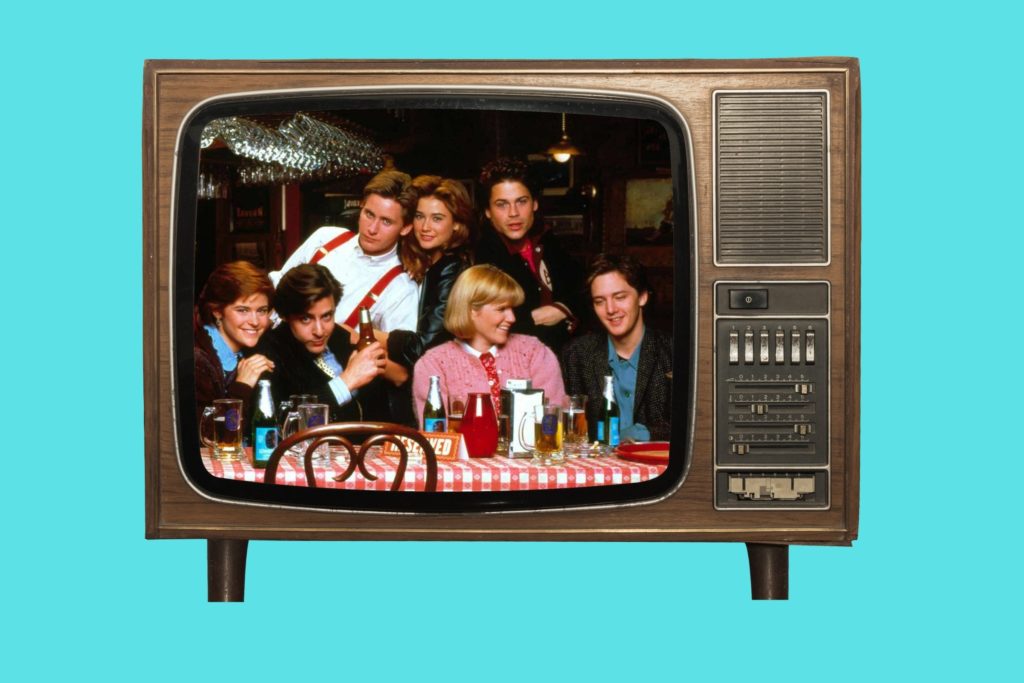
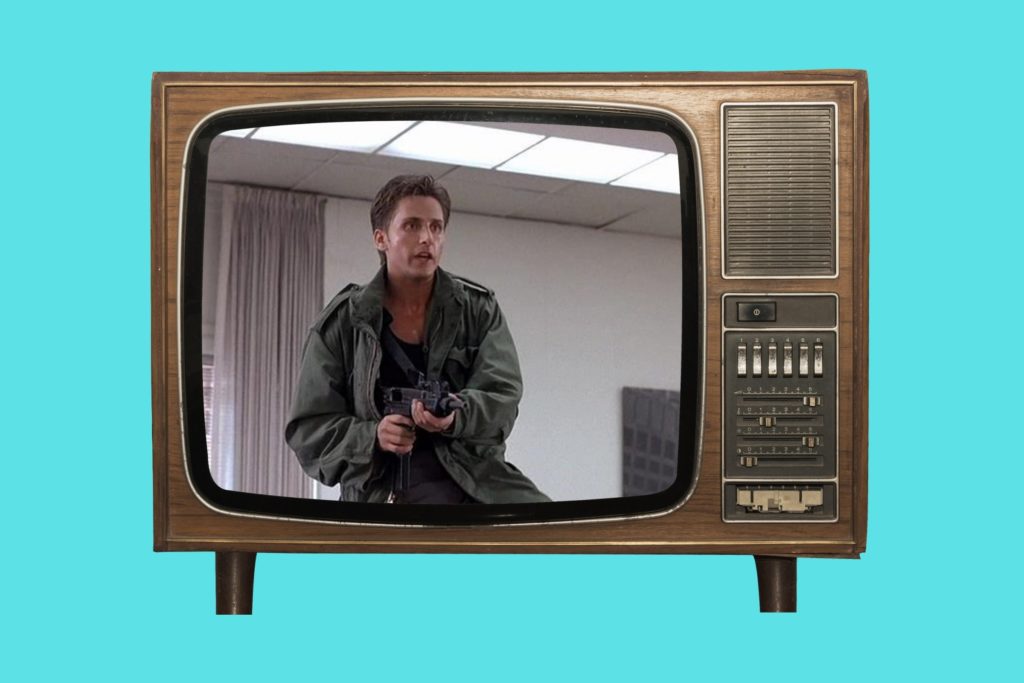
If The Breakfast Club captured adolescence, then St. Elmo’s Fire explored the panic that comes immediately afterwards. I’ve always found the film fascinating because beneath the glossy 1980s style and impossibly photogenic cast lies something surprisingly bleak about adulthood. Directed by Joel Schumacher, the film follows a group of recent graduates struggling with careers, relationships and emotional responsibility while desperately trying to hold onto the safety of youth. Meanwhile, the cast — Emilio Estevez, Demi Moore, Rob Lowe and Andrew McCarthy — perfectly captured the uncertainty of that transitional stage of life. Admittedly, the characters are often selfish and emotionally immature, but that awkwardness is exactly why the film still resonates. Growing up rarely happens gracefully, and St. Elmo’s Fire understood that better than most Hollywood films of the era.
John Hughes and the Emotional Teen Movie
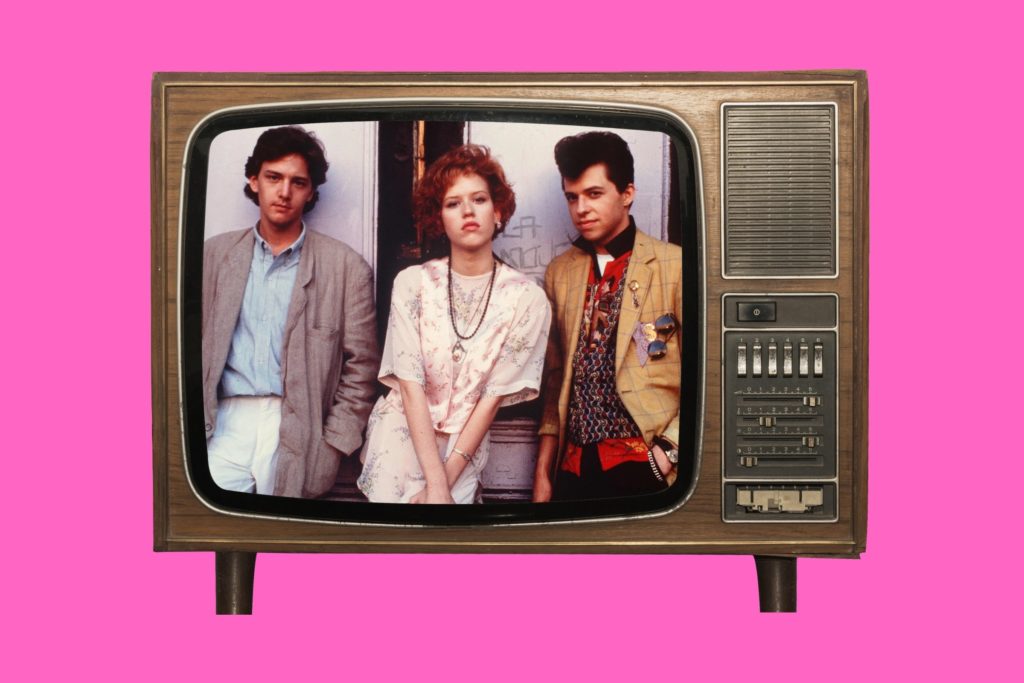
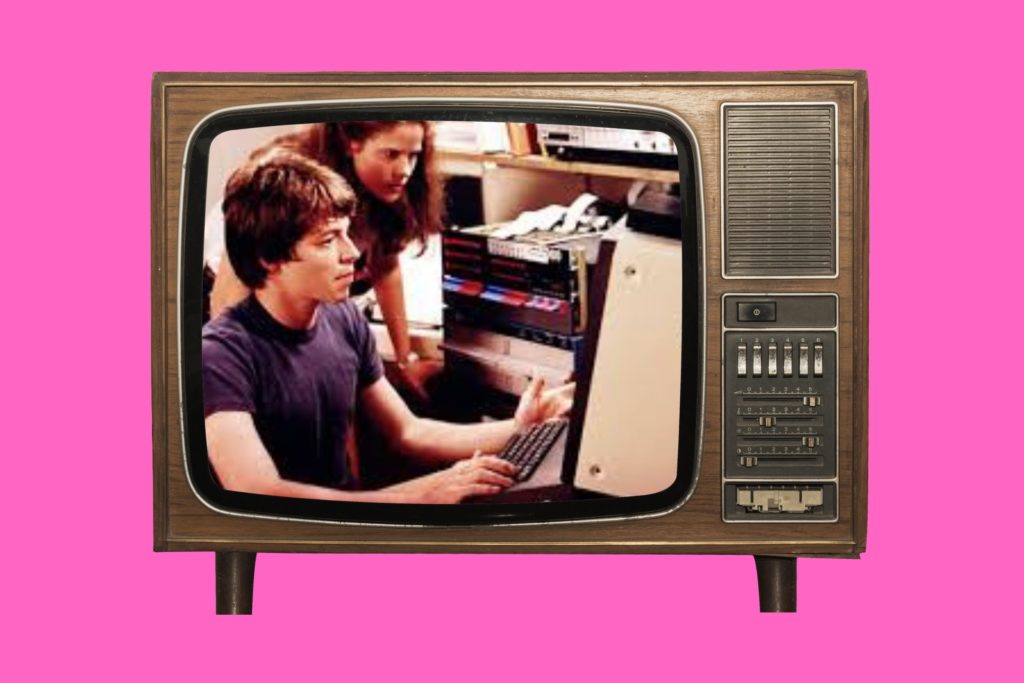
Although the Brat Pack extended beyond any single filmmaker, John Hughes became the defining creative voice of the movement. Through films like Sixteen Candles, Pretty in Pink, Ferris Bueller’s Day Off and Weird Science, Hughes transformed the teen movie into something emotionally recognisable rather than purely comedic. What I’ve always loved about his work is the way he treated awkwardness and insecurity seriously without losing humour or warmth. In addition, Hughes understood class anxiety, rejection and social isolation in ways that many mainstream Hollywood writers simply didn’t. Molly Ringwald became the perfect embodiment of that emotional honesty because her performances balanced intelligence, vulnerability and sarcasm effortlessly. Consequently, Hughes’ films helped redefine what audiences expected from coming-of-age cinema throughout the 1980s and beyond.
Why the Brat Pack Still Matters
What’s fascinating looking back now is how much modern teen cinema still owes to the Brat Pack era. Without those films, it’s difficult to imagine later works like Lady Bird, Euphoria, Freaks and Geeks or The Perks of Being a Wallflower. The Brat Pack proved that stories about young people could be commercially successful while still exploring identity, loneliness and emotional confusion with genuine depth. Moreover, these films arrived before franchise filmmaking completely dominated Hollywood, so they often feel more personal and character-driven than many modern studio productions. Even now, there’s something comforting about revisiting these movies because they capture universal experiences that never really disappear: wanting to fit in, fearing adulthood and trying to understand who you are. The hairstyles may belong firmly to the 1980s, but the emotions absolutely do not.
Why I Keep Returning to Brat Pack Films
For me, the real magic of Brat Pack movies lies in their sincerity. These films weren’t afraid of sentimentality, vulnerability or emotional awkwardness, and that openness gives them an honesty that still feels refreshing today. Of course, some aspects of the films have aged awkwardly, particularly certain attitudes and stereotypes that modern audiences understandably question. However, beneath those dated elements lies something deeply human about the way these films portray friendship, insecurity and the terrifying process of growing up. That’s probably why audiences continue rediscovering them decade after decade. The Brat Pack didn’t simply redefine teen cinema during the 1980s — it created a blueprint for emotionally intelligent coming-of-age storytelling that filmmakers are still drawing from today.
Recommended Books and Documentaries
You Couldn’t Ignore Me If You Tried — Susannah Gora
One of the best books ever written about 1980s teen cinema and the Brat Pack era. Funny, nostalgic and packed with brilliant behind-the-scenes stories.
Brat: An ’80s Story — Andrew McCarthy
A thoughtful and surprisingly emotional memoir exploring fame, identity and the complicated legacy of the Brat Pack label.
John Hughes: A Life in Film — Kirk Honeycutt
Excellent overview of the filmmaker who completely transformed the teen movie during the 1980s.
Brats (2024) — Directed by Andrew McCarthy
A genuinely fascinating documentary revisiting the Brat Pack phenomenon through reunions, reflection and honest conversations about fame and nostalgia.
Hughes on Hughes — Edited by Jason Diamond
Fantastic collection of interviews and writing examining John Hughes’ influence on cinema and popular culture.