
Box Office Flops
Box Office Flops – Why Some of Cinema’s Biggest Failures Become Cult Classics
Discovering Hollywood Disasters
My fascination with box office flops probably began around the same time I became genuinely obsessed with cinema rather than simply watching films casually. During the late 1980s and early 1990s, I was devouring magazines like Empire, Premiere and Movieline, and suddenly movies started feeling bigger than the films themselves. You weren’t just reading reviews anymore. Instead, you were reading production gossip, studio politics, budget nightmares and increasingly brutal speculation about which films were supposedly heading towards disaster before they had even opened. Honestly, once you became aware of that side of Hollywood, it was difficult not to get drawn into it.
Hudson Hawk and the Joy of Weird Cinema
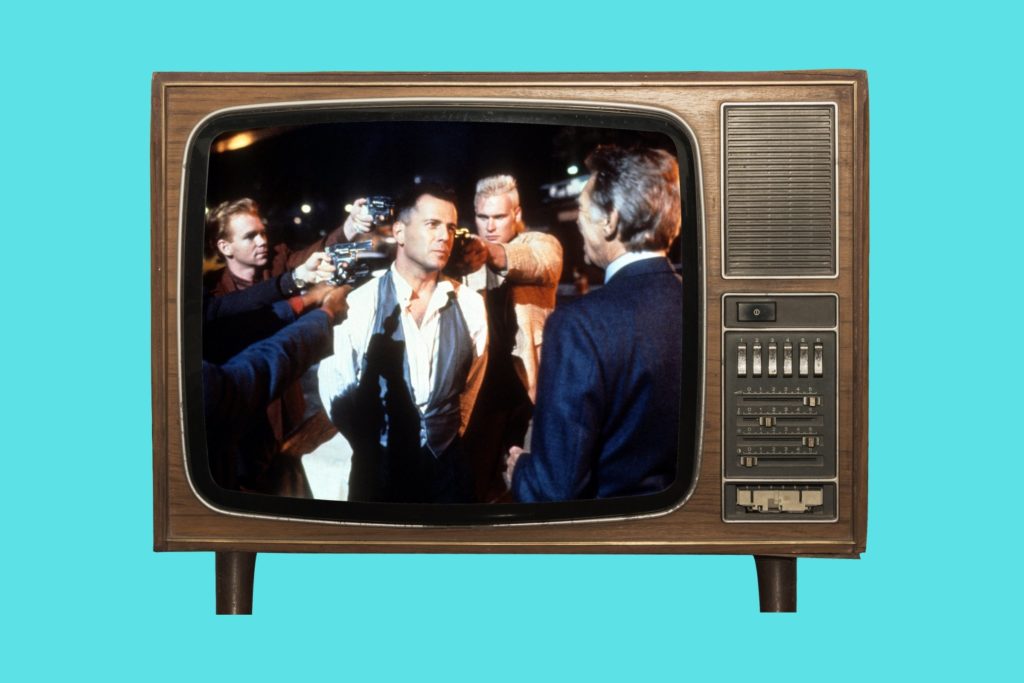
One of the earliest examples I vividly remember was Hudson Hawk in 1991. Even before the film had been released, critics and journalists seemed desperate for it to fail. The narrative had already been written: Bruce Willis had become too powerful after Die Hard, the budget had spiralled out of control and Hollywood vanity was about to implode spectacularly. However, when I finally watched the film years later, I was genuinely surprised by how strange and entertaining it actually was. Instead of another straightforward action movie, Hudson Hawk felt like a live-action cartoon filled with surreal villains, slapstick humour and comic-book energy. Over time, audiences slowly began appreciating exactly the qualities that originally made the film seem like a disaster.
Why Great Films Sometimes Fail
That’s the fascinating thing about box office flops. A financial failure doesn’t automatically mean a film lacks value. In many cases, it simply means audiences or studios didn’t know how to process the film at the time. Blade Runner struggled commercially because audiences expected another straightforward science-fiction adventure after Star Wars. Instead, they got a slow, philosophical noir about identity and mortality. Likewise, John Carpenter’s The Thing failed partly because audiences weren’t prepared for something so bleak and paranoid during the optimistic Spielberg era. Meanwhile, Fight Club completely baffled marketing departments who had no idea how to sell a dark satire about masculinity and consumer culture.
The Mythology of the Box Office Bomb
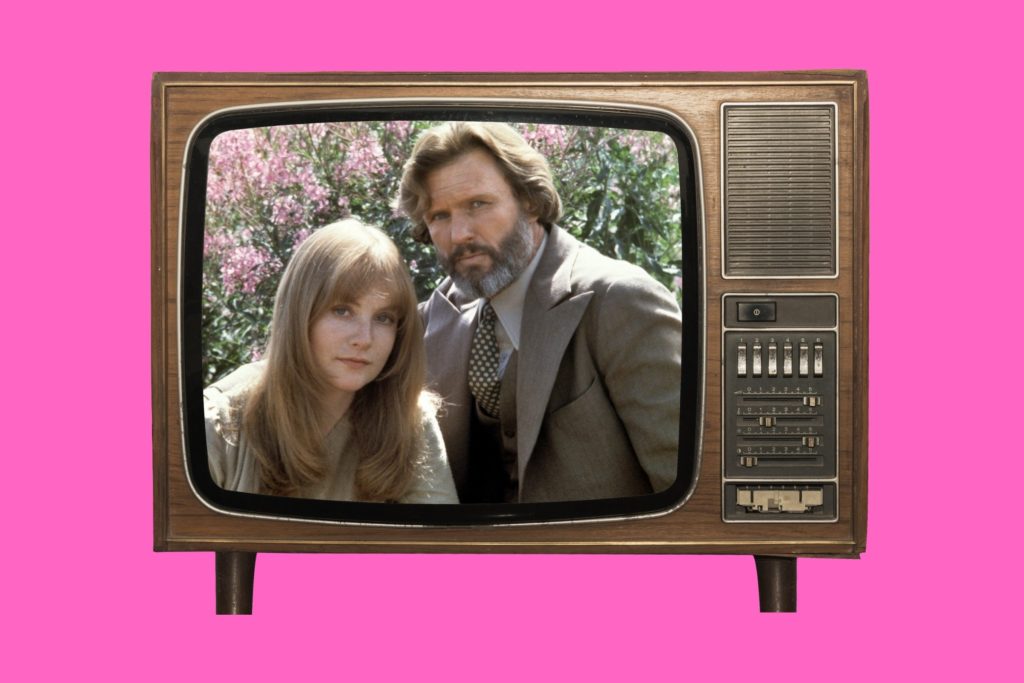
Sometimes the story surrounding a film becomes more famous than the film itself. Ishtar is probably one of the best examples of this. For years, I absorbed endless jokes about it supposedly being one of Hollywood’s greatest disasters before finally watching it myself. Surprisingly, it wasn’t remotely the catastrophic trainwreck popular culture had conditioned me to expect. It’s eccentric and uneven, certainly, but it’s also often very funny and unmistakably the work of Elaine May. Unfortunately, by the time audiences finally saw the film, the narrative surrounding its budget overruns and chaotic production had already taken over completely. Hollywood loves success stories, but honestly, it adores failure even more because disasters make for better headlines.


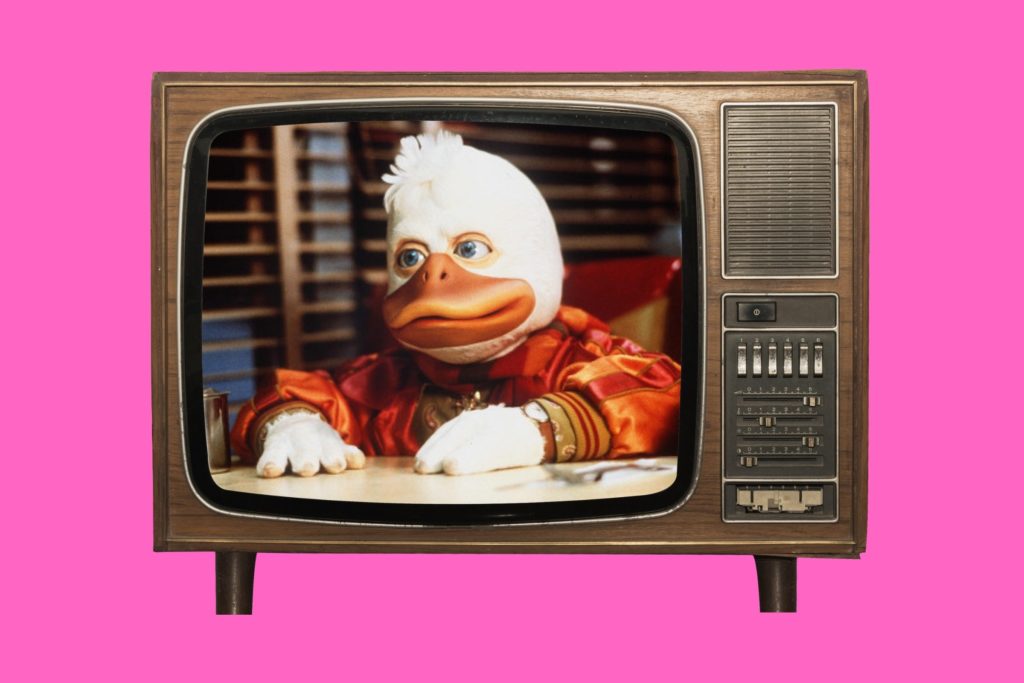
Why Cult Classics and Flops Overlap
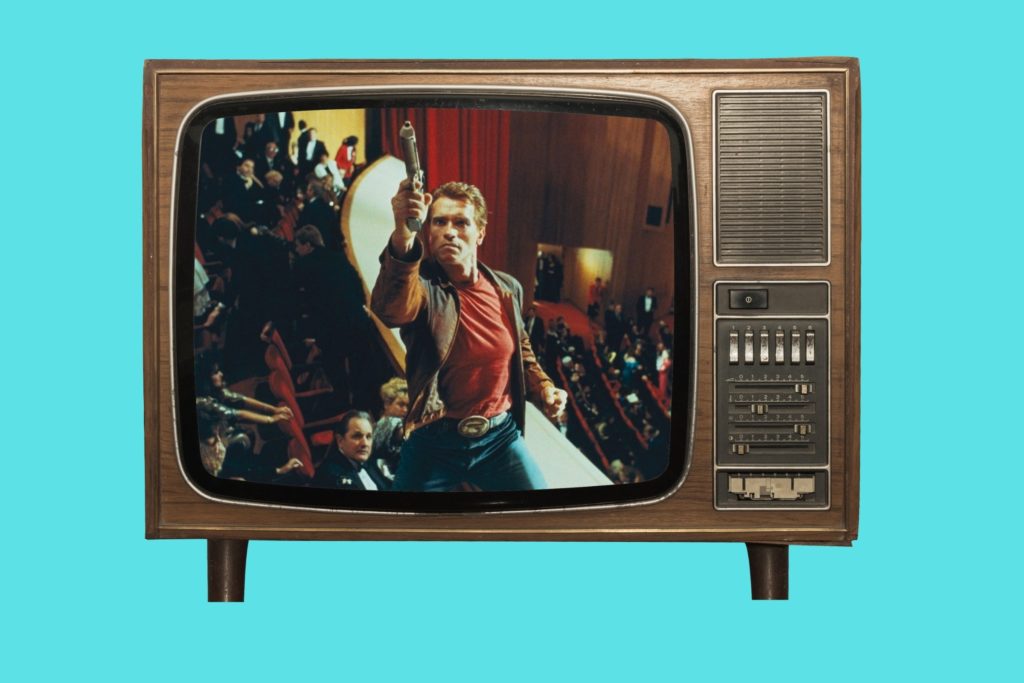
That’s partly why cult cinema and box office flops overlap so frequently. Many cult classics originally failed because they were simply too strange, too ambitious or too tonally unusual for mainstream audiences. However, once the pressure of opening weekend expectations disappears, audiences can engage with films on their own terms. Over time, those same unusual qualities often become the reason people fall in love with them. The older I get, the less interested I become in box office numbers themselves and the more interested I become in how films survive culturally. Plenty of massive hits vanish from public consciousness surprisingly quickly, while certain flops continue building loyal audiences decade after decade.
Why Flops Fascinate Me
What I’ve always loved about notorious box office disasters is that they reveal how chaotic and unpredictable cinema really is. Studios spend enormous amounts of money trying to calculate audience behaviour and still regularly get it spectacularly wrong. Timing matters. Marketing matters. Audience expectations matter even more. Sometimes a film simply arrives at the wrong cultural moment. Yet cinema history isn’t written solely by opening weekends or financial spreadsheets. It’s written by the films people continue revisiting, discussing and passionately defending years later. And honestly, some of the most fascinating films ever made arrived carrying the label of “failure.”
Recommended Reading & Documentaries
Books
The Unmaking of Hudson Hawk – David Hughes
A fascinating deep dive into the making and backlash surrounding Hudson Hawk.
Final Cut – Steven Bach
One of the greatest books ever written about disastrous film productions and Heaven’s Gate.
Easy Riders, Raging Bulls – Peter Biskind
Brilliant account of the rise and collapse of New Hollywood filmmaking.
Fiasco: A History of Hollywood’s Iconic Flops – James Robert Parish
A hugely entertaining look at infamous box office bombs.
Hit & Run – Nancy Griffin and Kim Masters
Essential reading on Hollywood excess during the blockbuster era.
Scenes from a Revolution – Mark Harris
Excellent examination of changing Hollywood tastes during the late 1960s.
Documentaries
Lost Soul: The Doomed Journey of Richard Stanley’s Island of Dr. Moreau
One of the greatest behind-the-scenes disaster documentaries ever made.
Hearts of Darkness: A Filmmaker’s Apocalypse
The definitive chronicle of chaotic filmmaking and artistic obsession.
Electric Boogaloo: The Wild, Untold Story of Cannon Films
A wonderfully entertaining documentary about one of cinema’s most reckless studios.
The Death of “Superman Lives”: What Happened?
Fascinating exploration of one of Hollywood’s most famous unmade films.
Overnight
Painful but compelling documentary about the collapse of filmmaker Troy Duffy after The Boondock Saints.