American Indie
Cinema
American Independent Cinema Explained – How Indie Films Changed Hollywood Forever
Discovering American Independent Cinema
My real introduction to American independent cinema arrived during the mid-1990s. Suddenly, filmmakers like Kevin Smith and Richard Linklater seemed to be everywhere, and their films felt completely different from mainstream Hollywood movies.
They were smaller, stranger, funnier, and far more personal. Instead of giant explosions and glossy spectacle, these films focused on awkward conversations, drifting characters, and everyday frustrations. They felt human in a way studio films often didn’t.
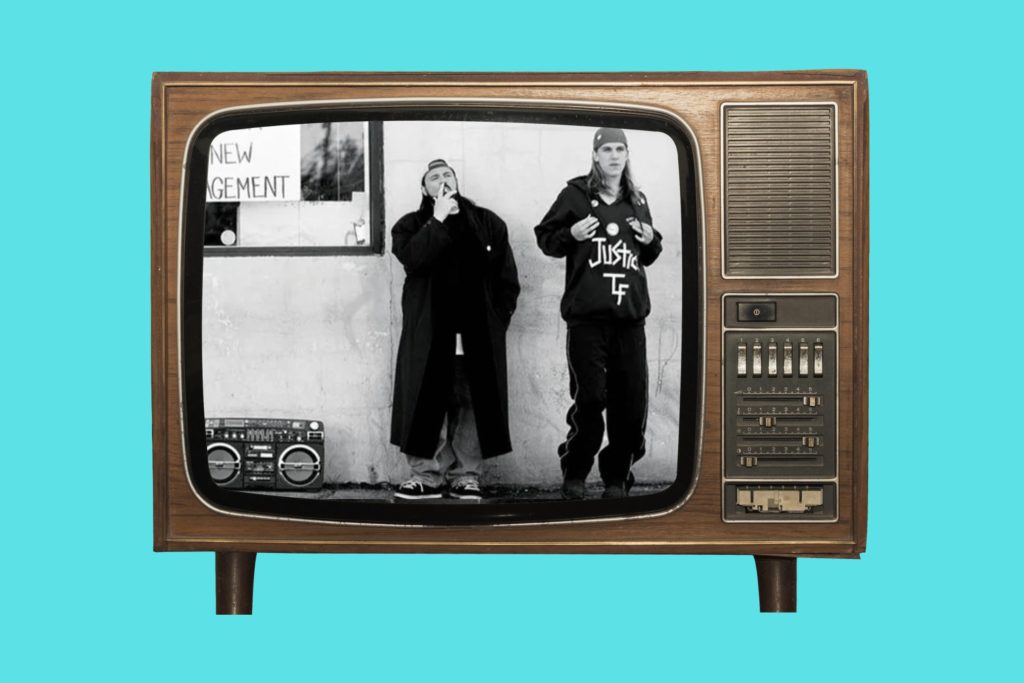
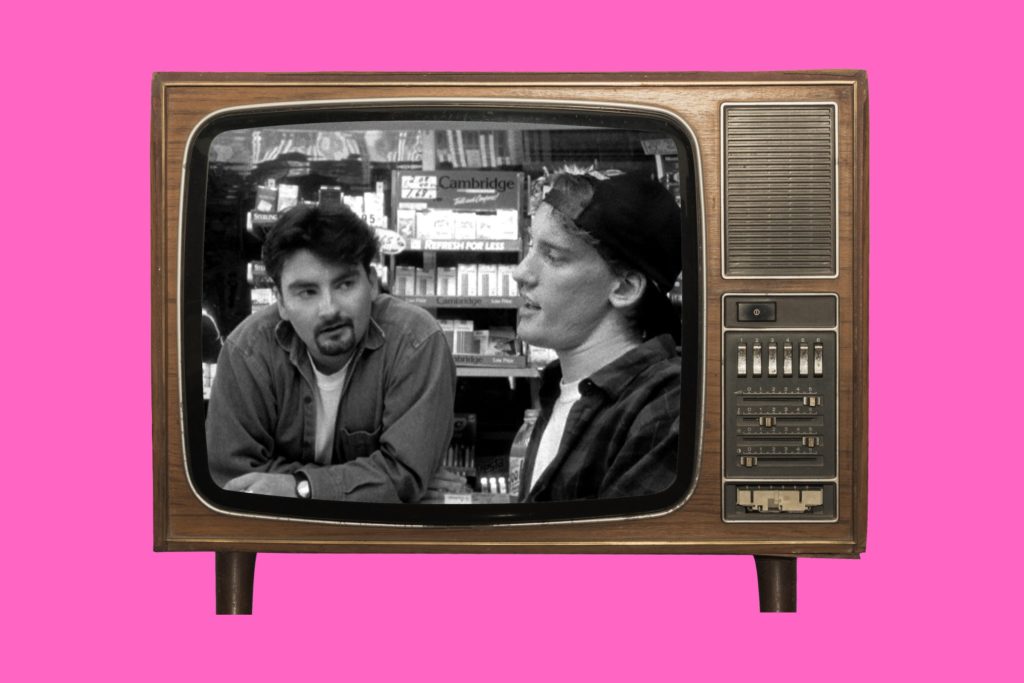
Clerks especially hit me at exactly the right time because I was working part-time in retail myself. Kevin Smith captured the boredom, sarcasm, and absurdity of customer-facing jobs perfectly. The dialogue felt authentic, and the characters reminded me of people I actually knew. Somehow, Smith turned aimlessness into comedy gold.
That is the magic of American independent cinema.
The Origins of American Indie Films
Although the indie boom exploded during the 1990s, the roots of American independent cinema stretch much further back.
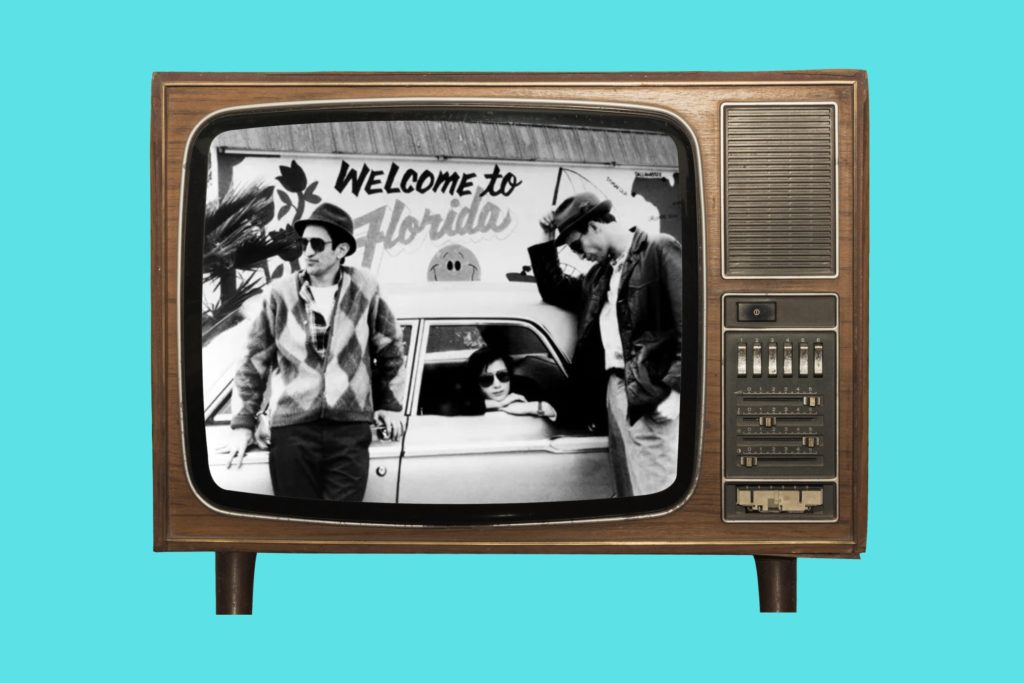
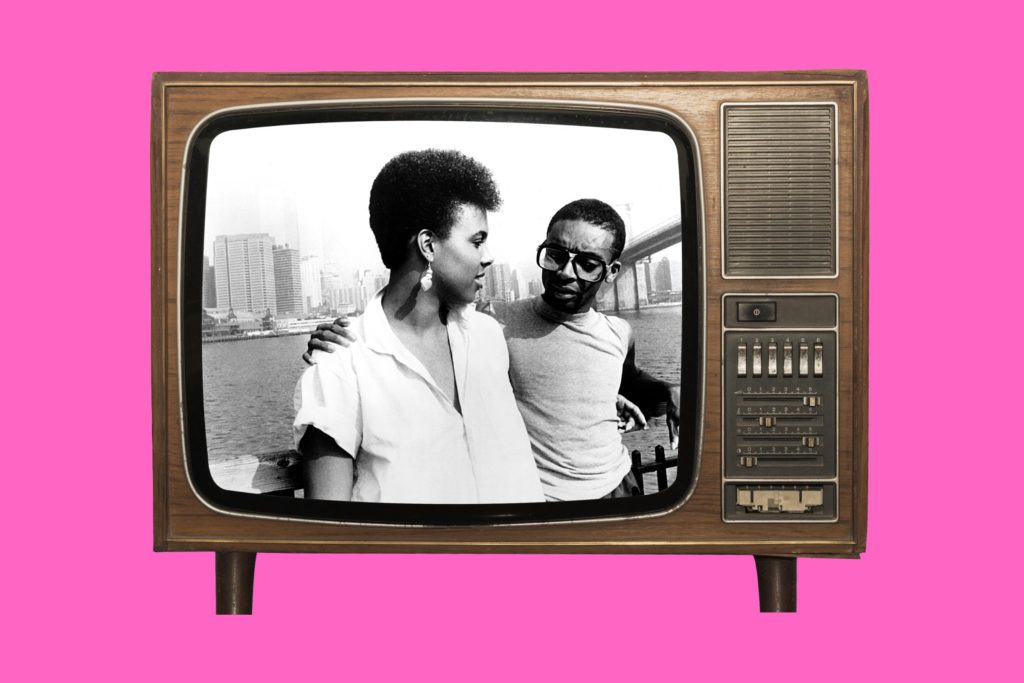
During the 1980s, filmmakers frustrated with predictable studio filmmaking started creating movies outside the Hollywood system. Directors like Jim Jarmusch, Spike Lee, and John Sayles proved you could make powerful cinema on tiny budgets if you had a strong enough voice.
Films like Stranger Than Paradise and She’s Gotta Have It created a genuine alternative to mainstream Hollywood. They rejected formula and embraced personality instead.
That independence became central to the entire movement.
Sundance and the Indie Explosion
Then Sundance changed everything.
The Sundance Film Festival became the spiritual home of American independent cinema. Suddenly, smaller films could bypass traditional Hollywood gatekeepers and find audiences through festivals, critics, and word-of-mouth.
That DIY energy became part of the culture. If filmmakers lacked money, they compensated with originality, creativity, and sheer determination.
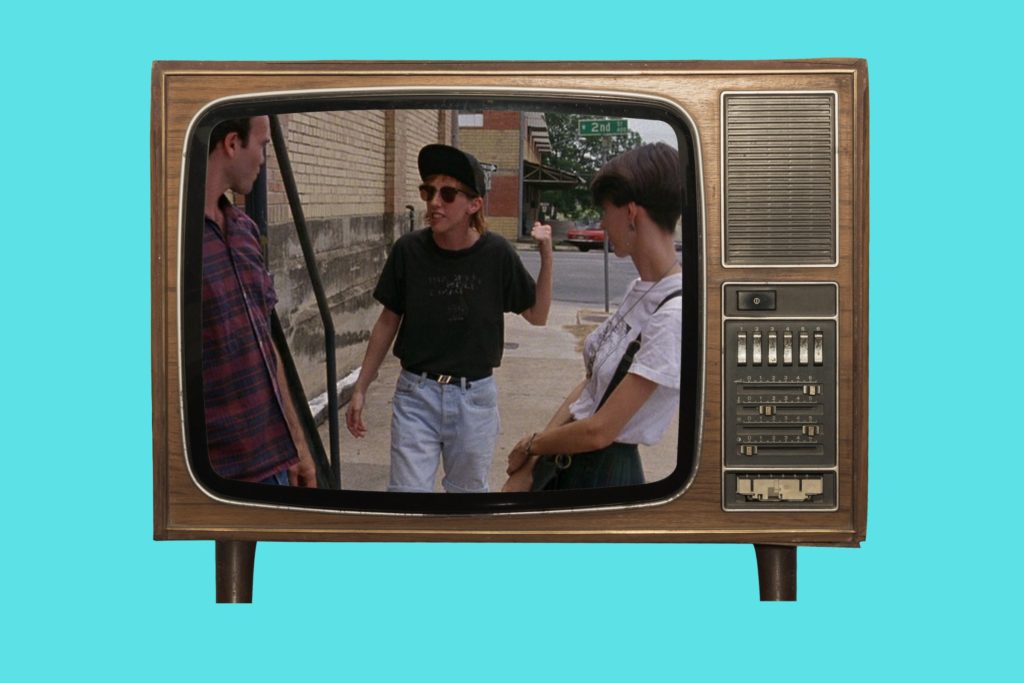
By the early 1990s, independent cinema exploded into the mainstream. Richard Linklater’s Slacker and Dazed and Confused captured youth culture with a loose, naturalistic style that felt incredibly fresh.
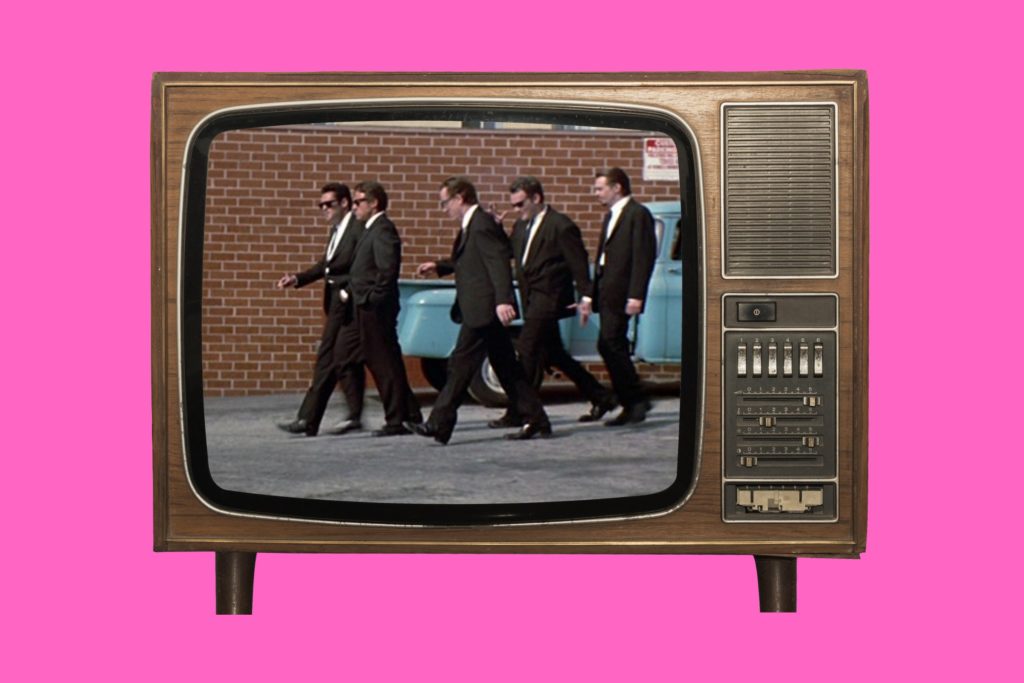
Then Quentin Tarantino arrived with Reservoir Dogs and completely changed the commercial landscape for indie films.
Suddenly, independent cinema was not only respected — it was cool.
Why Indie Films Felt Different
The best American independent films always felt personal to me. That is what separated them from more formula-driven Hollywood productions.
These filmmakers were often drawing directly from their own lives and experiences. Kevin Smith filmed conversations in convenience stores because that was the world he knew. Richard Linklater focused on uncertain young people trying to figure out adulthood because those stories felt truthful.
Even when very little happened plot-wise, the honesty carried the films.
That honesty is still what makes so many indie films feel timeless today.
How American Independent Cinema Changed Hollywood
The influence of American independent cinema is now everywhere.
Modern streaming dramas, festival films, prestige television, and low-budget genre movies all owe a huge debt to the indie movement of the 1980s and 1990s.
Filmmakers proved they did not need massive budgets or major studios to tell compelling stories. Audiences also became more open to slower, stranger, and more personal filmmaking.
For me, though, it always comes back to watching Clerks for the first time.
That sudden realisation that films could be made about ordinary people having ordinary conversations and still feel important completely changed how I looked at cinema forever.
The Lasting Legacy of Indie Cinema
American independent cinema reshaped Hollywood by proving audiences wanted authenticity as much as spectacle.
From Jim Jarmusch and Spike Lee to Richard Linklater and Kevin Smith, these filmmakers introduced new storytelling styles, new voices, and entirely new ways of thinking about movies.
More importantly, they inspired generations of future filmmakers to pick up a camera and tell their own stories.
And honestly, that DIY spirit still feels just as exciting today as it did in the 1990s.
Recommended Books