African-American Cinema
African American Cinema – Voices That Changed American Film
Discovering African American Cinema
For me, African American cinema arrived like a lightning bolt in the early 1990s. Its roots stretch back much further, especially through the revolutionary work of Melvin Van Peebles and the rise of Blaxploitation in the 1970s. However, my own discovery happened during a period when Black filmmakers suddenly seemed to explode into mainstream film culture all at once.
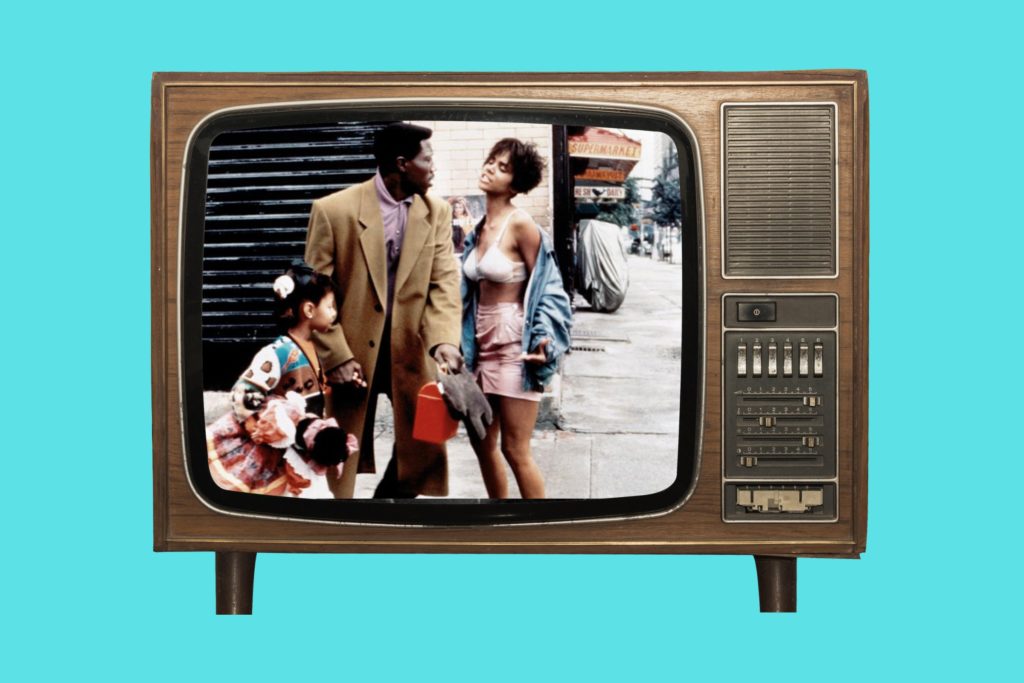
By 1991, my obsession with cinema was growing rapidly. Films like Jungle Fever, Straight Out of Brooklyn, A Rage in Harlem, and New Jack City felt completely different from the Hollywood films I had grown up watching. They were stylish, political, funny, angry, and deeply personal. More importantly, they felt authored. These were films driven by real voices and lived experiences rather than studio formulas.
The film that changed everything for me was Spike Lee’s Do the Right Thing. I discovered it shortly after seeing Jungle Fever, and it genuinely stunned me. Even now, I still consider it one of the greatest American films ever made. The colour, the music, the humour, the rage, and the unbearable tension simmering beneath every scene still feel electric decades later.
Melvin Van Peebles and Independent Black Cinema
To understand African American cinema properly, you have to begin with Melvin Van Peebles. Before the 1970s, Black filmmakers rarely controlled how Black life appeared onscreen. Hollywood often sidelined Black characters or reduced them to stereotypes.
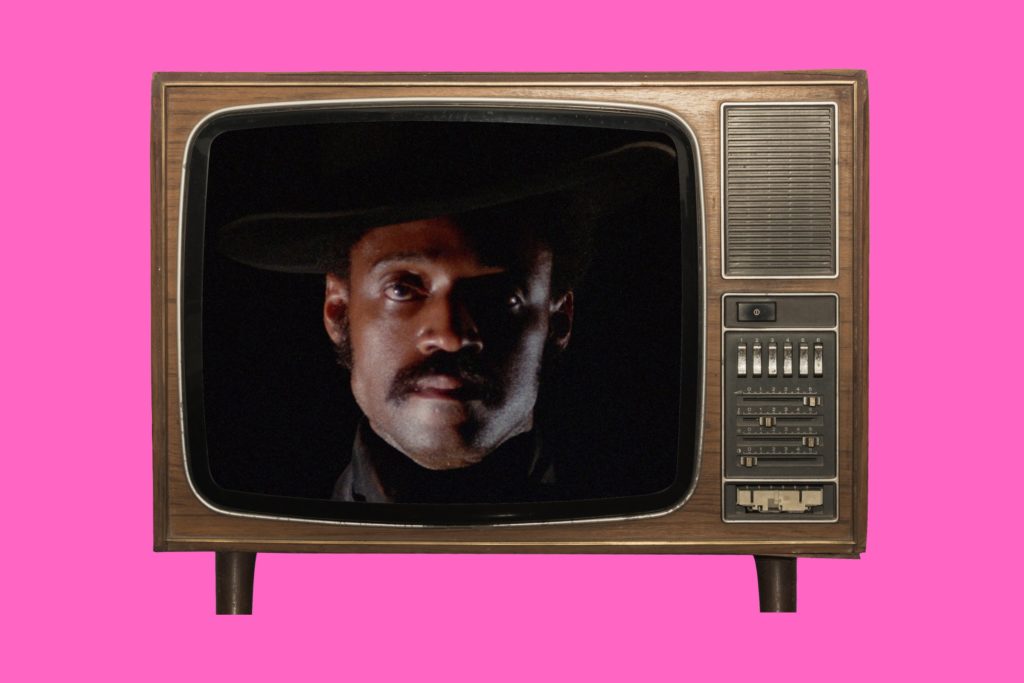
Everything changed in 1971 with Sweet Sweetback’s Baadasssss Song. Made independently on a tiny budget, the film felt raw, chaotic, political, and completely fearless. Van Peebles created something that refused to seek approval from mainstream Hollywood. Instead, it demanded attention.
The success of the film proved there was a huge audience for Black cinema created by Black filmmakers. In many ways, it opened the door for everything that followed.
Blaxploitation and 1970s Black Cinema
Following the success of Sweetback, Hollywood recognised Black audiences as a major market. This led to the rise of Blaxploitation cinema during the 1970s.
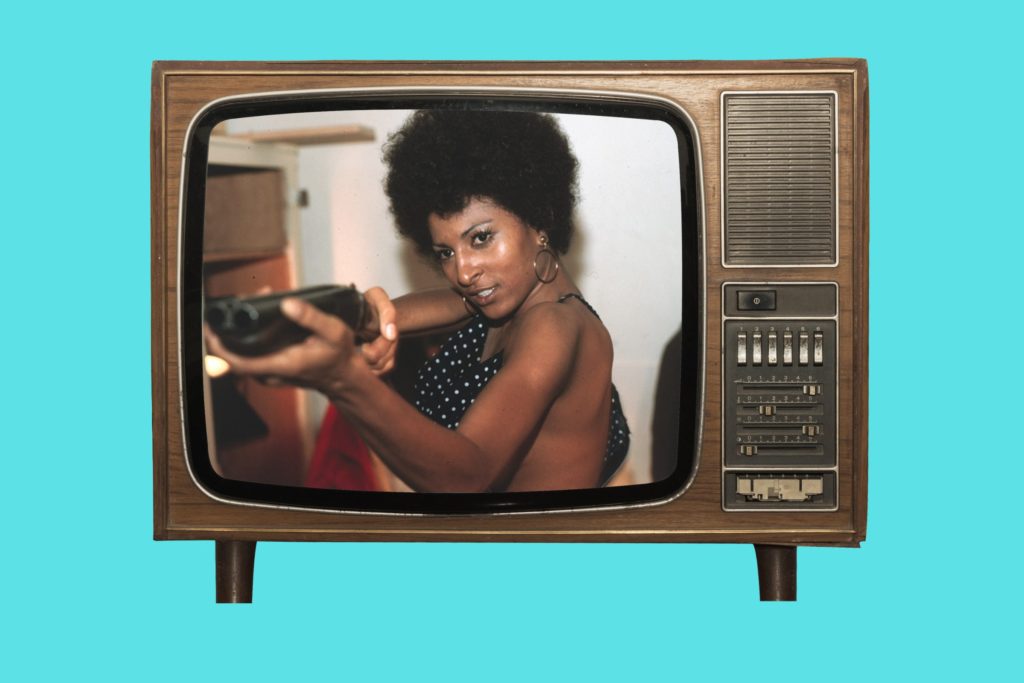
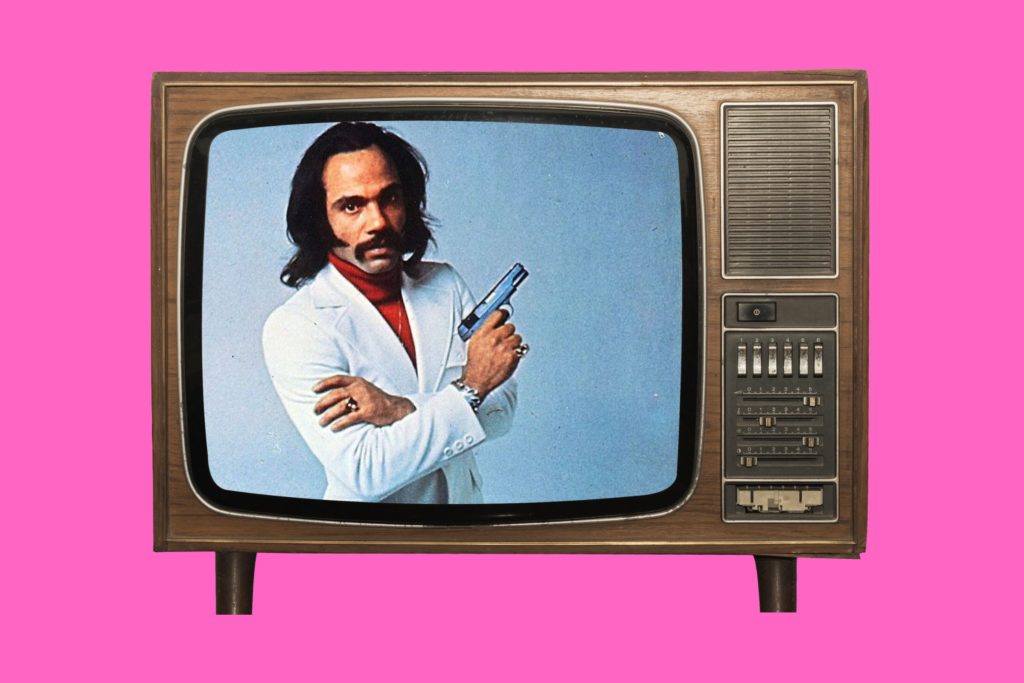
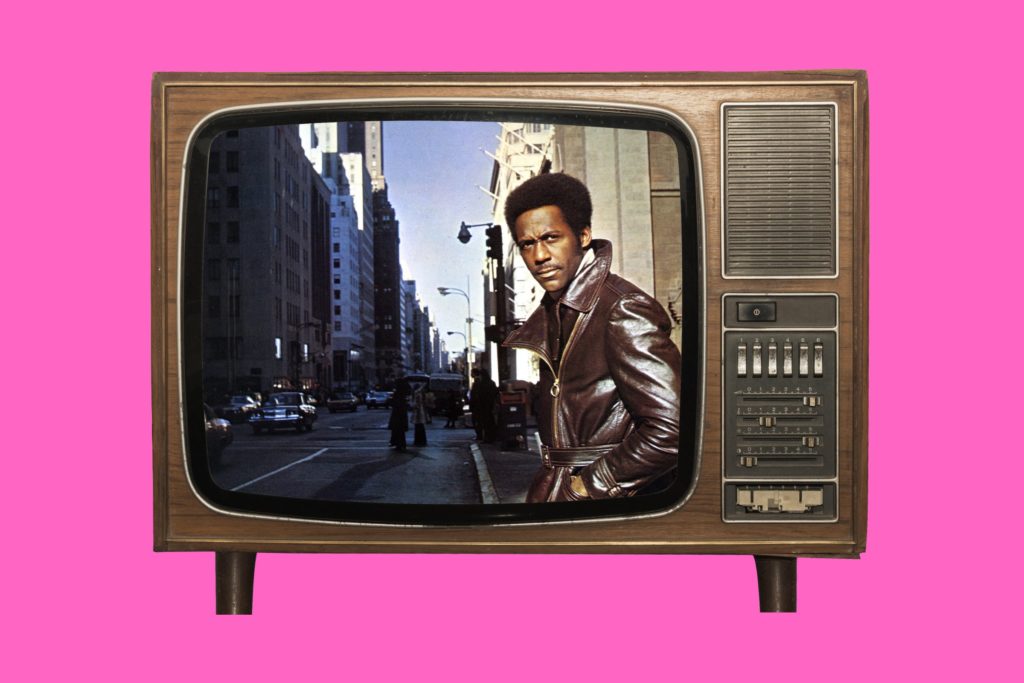
Films like Shaft, Super Fly, Coffy, and Foxy Brown suddenly placed Black heroes front and centre. These movies combined incredible soundtracks, stylish fashion, anti-establishment energy, and unforgettable attitude. They transformed Black masculinity and femininity into something powerful, rebellious, and cinematic.
At the same time, Blaxploitation remains complicated. While the movement created opportunities for Black actors and filmmakers, some films also leaned heavily into stereotypes involving crime, drugs, and violence.
Still, the influence of Blaxploitation cinema remains enormous. You can see it everywhere from hip-hop culture to Quentin Tarantino films and modern action cinema.
Spike Lee and the Power of Cinema
Then came Spike Lee.
Honestly, Spike changed everything.
By the late 1980s, American independent cinema was already thriving, but Spike Lee brought something entirely unique into the conversation. He combined political urgency with enormous cinematic energy and style.
She’s Gotta Have It introduced a fresh voice immediately, but Do the Right Thing became the masterpiece. Set during one scorching day in Brooklyn, the film explores race, identity, policing, gentrification, and community tension with astonishing confidence.
What makes the film so extraordinary is its refusal to provide simple answers. Nobody is entirely right. Nobody is entirely wrong. By the final moments, the audience feels emotionally exhausted and morally conflicted.
That ending still sparks arguments today. That is exactly why the film remains so powerful.
The Explosion of Black Cinema in the 1990s
The early 1990s felt like a major turning point for African American cinema. Suddenly, a wave of exciting Black filmmakers emerged at almost the same time.
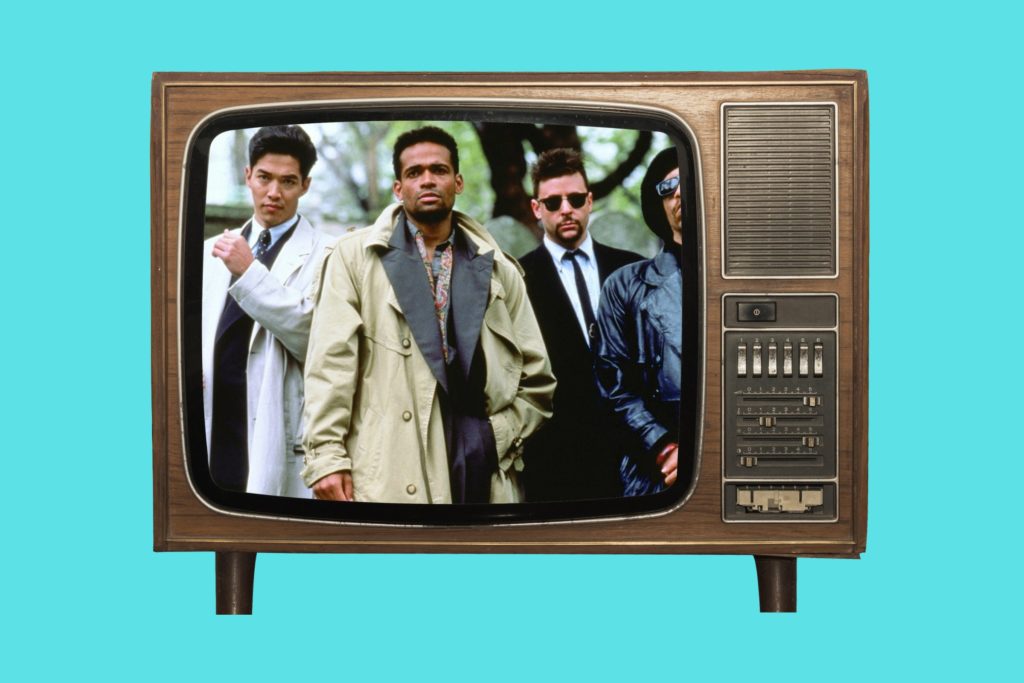
John Singleton’s Boyz n the Hood presented a deeply human portrait of life in South Central Los Angeles. Matty Rich’s Straight Out of Brooklyn captured urban frustration with incredible realism. Meanwhile, New Jack City fused gangster cinema with social commentary and MTV-era visual style.
Then came Spike Lee’s Malcolm X. Denzel Washington delivered one of the greatest screen performances of the 1990s, while Spike created an epic exploration of Black identity, politics, spirituality, and transformation.
These films mattered because they told stories mainstream Hollywood had ignored for decades.
African American Cinema Today
The influence of these filmmakers continues through modern directors like Ava DuVernay, Ryan Coogler, Jordan Peele and Barry Jenkins.
You can draw direct lines from Melvin Van Peebles and Spike Lee to films like Get Out, Moonlight, Black Panther, and Selma. Modern African American cinema continues pushing boundaries while exploring race, history, identity, and power in increasingly diverse ways.
For me, African American cinema completely changed how I understood American film. It introduced new perspectives, new storytelling techniques, and entirely new voices. More importantly, it forced mainstream cinema to confront realities it had often ignored.
American cinema would be unimaginably poorer without it.
Recommended Books
Black Cinema Treasures — Frank H. Woodward
Spike Lee’s America — Cinqué Henderson
The Devil Finds Work — James Baldwin
Blaxploitation Cinema — Josiah Howard
We Were There — Robert J. Wagner