Jean-Paul Belmondo
Jean-Paul Belmondo – The Rebel Who Became France’s Greatest Action Hero?
Jean-Paul Belmondo and the French New Wave
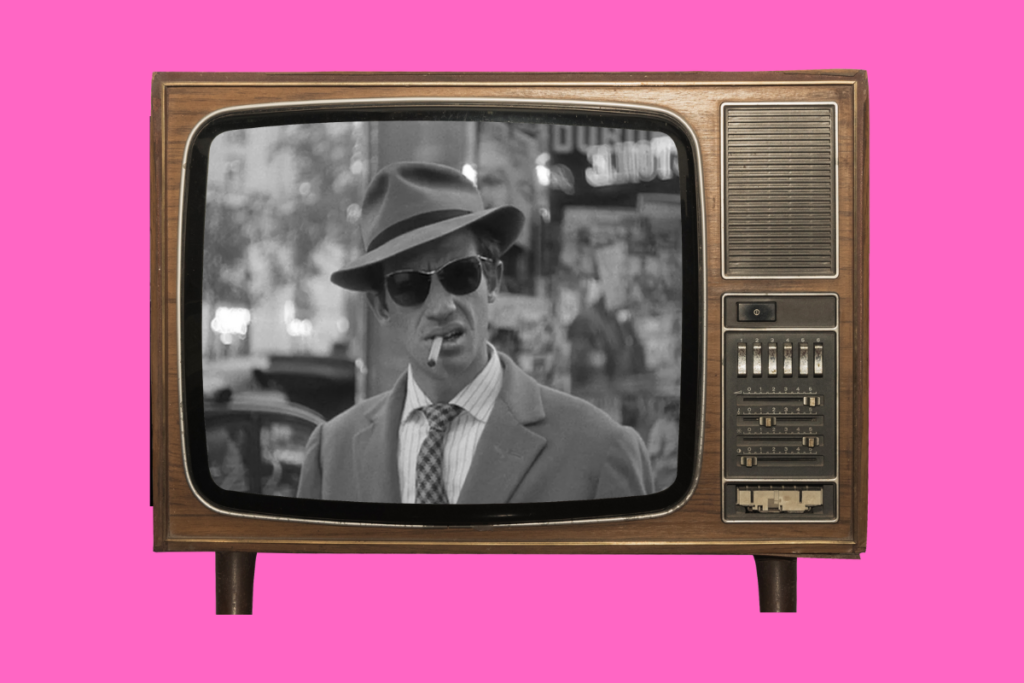
Jean-Paul Belmondo remains one of the most important figures in European cinema. I’ve always thought his career was one of the most fascinating in film history because he successfully reinvented himself several times. While many actors struggle to move between genres, Jean-Paul Belmondo became both a French New Wave icon and one of Europe’s biggest action stars. His breakthrough came in Jean-Luc Godard’s Breathless (1960), a film that changed modern cinema forever. Belmondo’s portrayal of Michel Poiccard felt fresh, rebellious and completely different from traditional leading men. Rather than relying on conventional movie-star looks, he captivated audiences through personality, confidence and charisma. As a result, Jean-Paul Belmondo quickly became one of the defining faces of a new generation of filmmaking.
Jean-Paul Belmondo and the Masters of European Cinema
One reason Jean-Paul Belmondo remains so highly regarded is the remarkable list of directors he worked with during the 1960s. While many actors spend their careers searching for a single great collaboration, Belmondo worked with several cinematic legends. Most notably, he became closely associated with Jean-Luc Godard through films such as Breathless, A Woman Is a Woman, Pierrot le Fou and Weekend. However, his career extended far beyond Godard’s work. He also collaborated with François Truffaut, Claude Chabrol, Jean-Pierre Melville and Vittorio De Sica. Consequently, Jean-Paul Belmondo became one of the most recognisable faces in international art-house cinema. His performances perfectly captured the energy, creativity and experimentation that defined the French New Wave.
How Jean-Paul Belmondo Became an Action Star
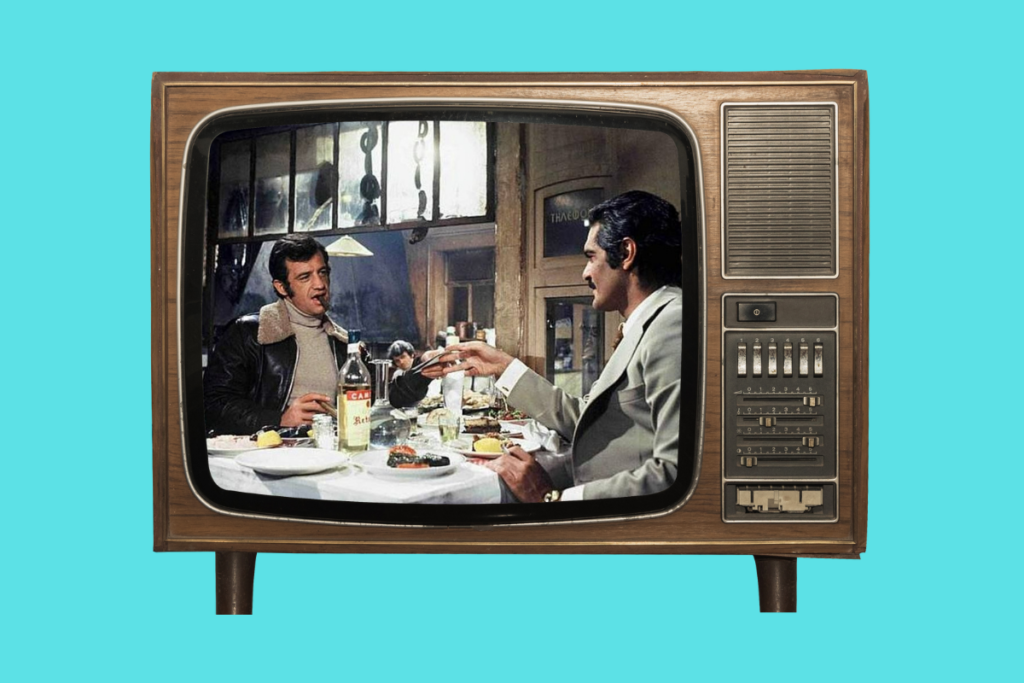
What fascinates me most about Jean-Paul Belmondo is the way he transformed his career during the 1970s. By that point, he had already established himself as a respected dramatic actor. However, instead of remaining in the world of art-house cinema, he embraced mainstream action films. This decision proved incredibly successful. Films such as The Burglars showcased his athleticism and natural screen presence. At the same time, they introduced him to a much wider audience. Unlike many actors who struggle to change direction, Belmondo made the transition look effortless. Furthermore, he retained the charm and humour that had made him famous in the first place. As a result, Jean-Paul Belmondo became one of Europe’s biggest box-office stars.
Jean-Paul Belmondo in Fear Over the City, The Professional and Le Marginal
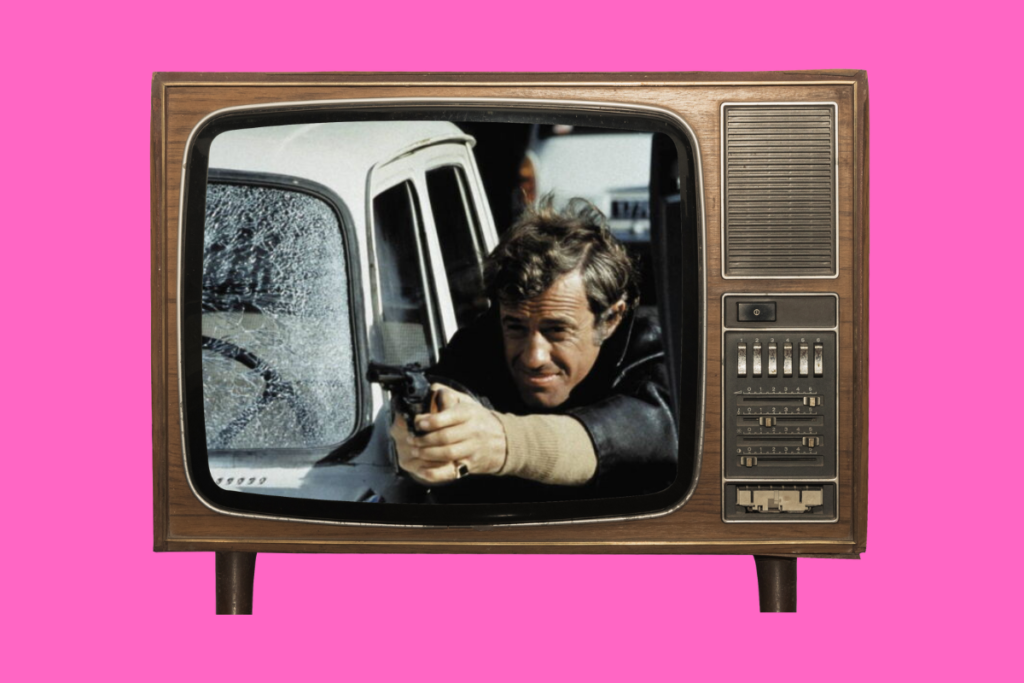
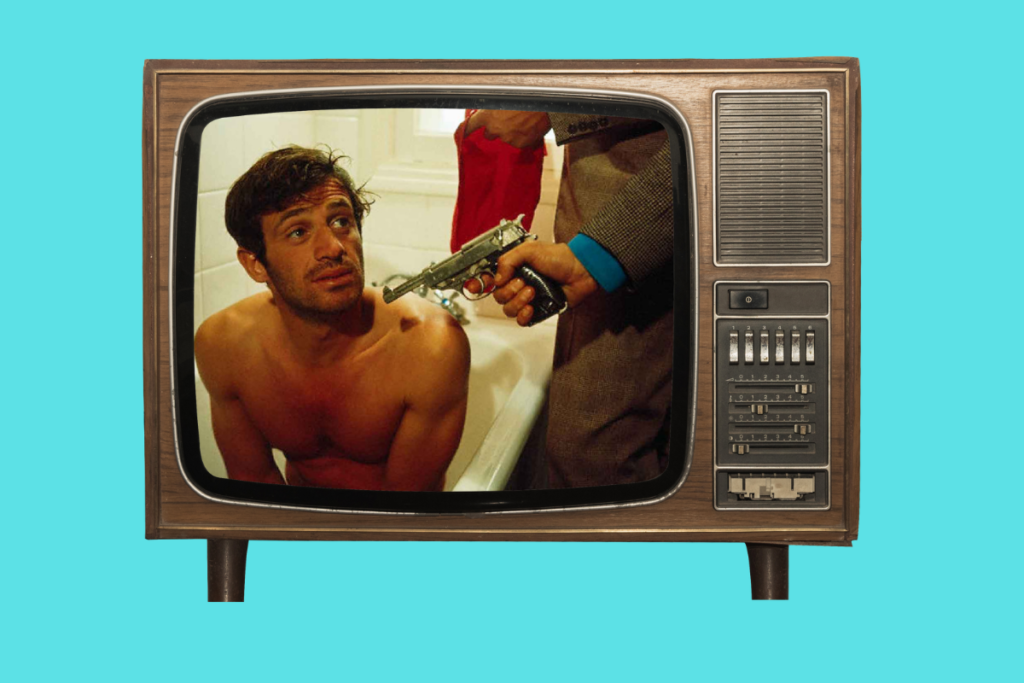
Several films helped cement Jean-Paul Belmondo’s reputation as an action hero. One of the most famous is Fear Over the City (1975), which remains a thrilling showcase for his talents. During production, Belmondo performed many of the film’s dangerous stunts himself. Most famously, he hung from a helicopter high above Paris. Rather than relying on stunt doubles, he insisted on creating as much realism as possible. This commitment continued throughout his later films. The Professional (1981) became one of his biggest international successes thanks to its blend of action, espionage and political intrigue. Meanwhile, Le Marginal reinforced his reputation as France’s leading action star. Nevertheless, Belmondo always brought warmth and humour to his characters, which helped distinguish him from many of his contemporaries.


Why Jean-Paul Belmondo Refused to Fake It
Long before modern action stars began performing their own stunts, Jean-Paul Belmondo was already risking life and limb for audiences. His commitment to realism became a major part of his appeal. Throughout his action career, he climbed buildings, leapt between rooftops and performed dangerous vehicle stunts. Importantly, audiences knew they were watching the real Jean-Paul Belmondo rather than a disguised stunt performer. This authenticity created a unique connection with viewers. Moreover, it gave his films an excitement that still holds up today. While modern productions often rely heavily on digital effects, Belmondo’s action scenes remain impressive because they feel genuine. His dedication helped set a standard that many performers continue to follow.
Why Jean-Paul Belmondo Still Matters
The legacy of Jean-Paul Belmondo extends far beyond French cinema. He helped define the French New Wave, became one of Europe’s most successful action stars and inspired generations of performers. Today, you can see traces of Jean-Paul Belmondo in charismatic antiheroes, modern action heroes and actors, such as Tom Cruise and Jackie Chan, who insist on performing their own stunts. His influence stretches from European thrillers to Hollywood blockbusters. More importantly, Belmondo proved that artistic credibility and mainstream popularity do not have to be opposites. From Breathless and Pierrot le Fou to Fear Over the City, The Professional and Le Marginal, Jean-Paul Belmondo built one of the most versatile careers in cinema history. Decades later, his films continue to entertain, inspire and influence audiences around the world.
Recommended Reading
If you’d like to explore Jean-Paul Belmondo’s career further, these books provide excellent insight into his life, films and the cinematic movement he helped define.
Belmondo: L’As des As – Bertrand Tessier
One of the most comprehensive studies of Belmondo’s remarkable career, covering both his French New Wave period and his years as an action superstar.
Godard on Godard – Jean-Luc Godard
A fascinating collection of interviews and writings from the director who helped launch Belmondo to international fame through Breathless and Pierrot le Fou.
Everything Is Cinema: The Working Life of Jean-Luc Godard – Richard Brody
An essential biography of Godard that provides valuable insight into the creative environment that shaped Belmondo’s early career.
Melville on Melville – Rui Nogueira
A superb collection of interviews with Jean-Pierre Melville, offering insight into one of the most influential filmmakers Belmondo worked alongside during the French New Wave era.