
Alain Delon
Alain Delon – The Coolest Man in Cinema?
From Pretty Boy to European Superstar
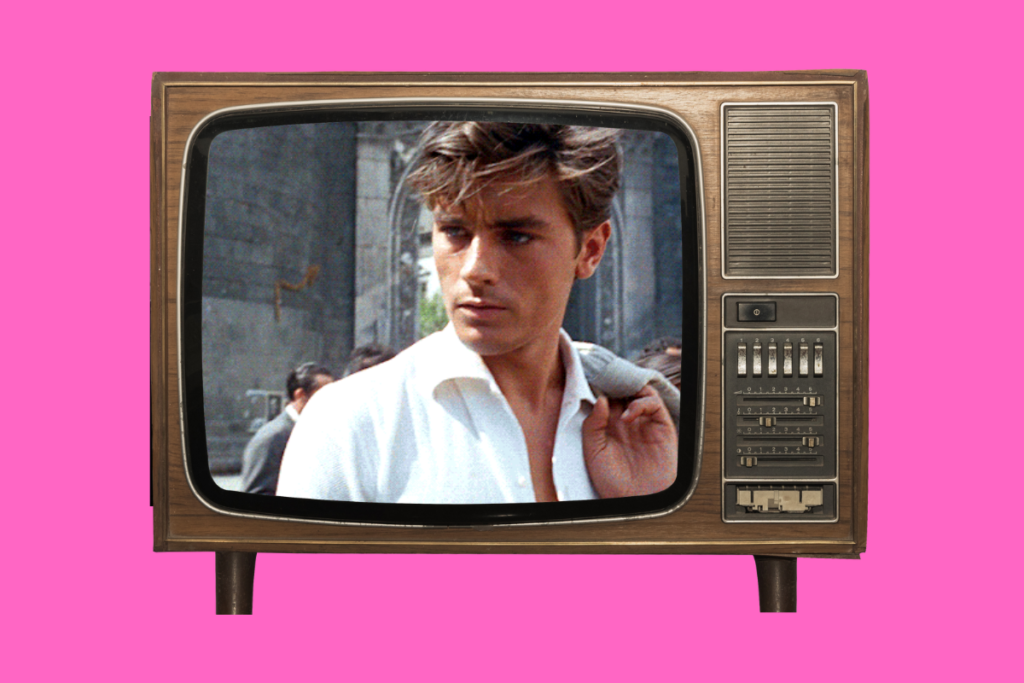
I’ve always found Alain Delon fascinating because he managed something very few actors ever achieve. He became a major international star while simultaneously earning the respect of some of the greatest filmmakers in cinema history. When Delon first appeared in films during the late 1950s, audiences immediately noticed his striking looks. However, what kept directors interested was his screen presence. There was a mystery about him that made him impossible to ignore. His breakthrough came with René Clément’s Purple Noon (1960), where he delivered a chilling performance as Tom Ripley. Looking back now, it’s clear that Delon possessed something rare. He could be charming, dangerous and completely unreadable all at the same time. That combination helped transform him from a handsome young actor into one of the defining faces of European cinema.
Working with Europe’s Greatest Auteur Directors
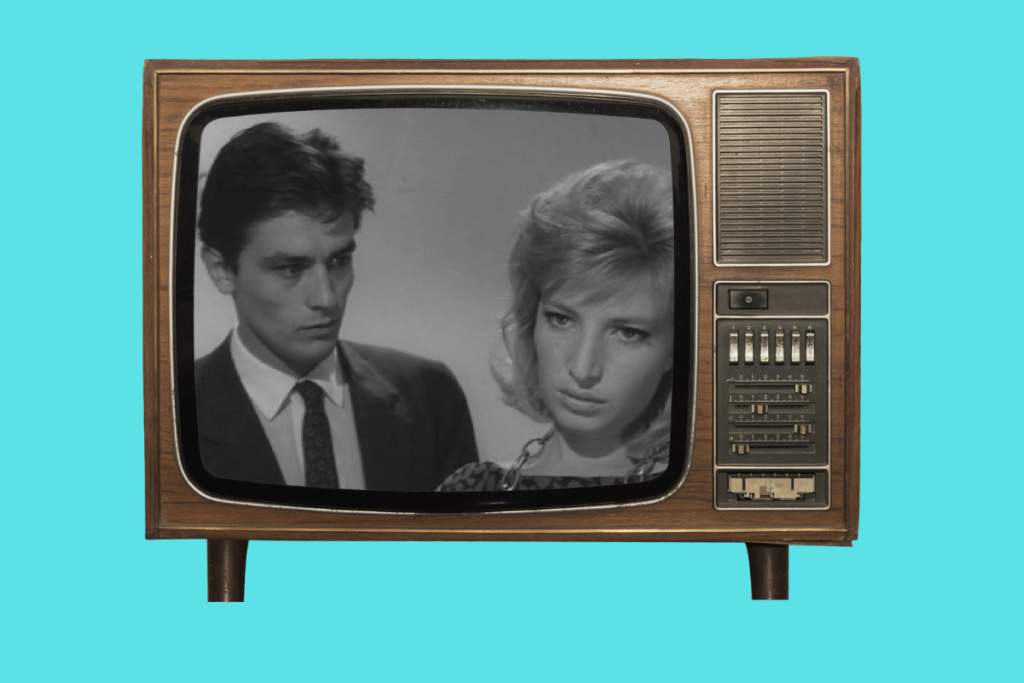
One of the reasons Alain Delon remains so important is the extraordinary calibre of directors he worked with throughout his career. Unlike many stars who focused purely on commercial success, Delon frequently collaborated with Europe’s leading auteurs. He starred in René Clément’s Purple Noon, Luchino Visconti’s Rocco and His Brothers and The Leopard, Michelangelo Antonioni’s L’Eclisse, and several masterpieces for Jean-Pierre Melville. Each director used Delon’s unique qualities in different ways. Visconti highlighted his emotional depth, Antonioni emphasised his modern detachment and Melville transformed him into the ultimate cinematic antihero. Furthermore, Delon’s work with Henri Verneuil demonstrated that he could move effortlessly between art-house cinema and mainstream thrillers. Few actors can claim such a remarkable collection of collaborations.
Jean-Pierre Melville and the Birth of Modern Cool
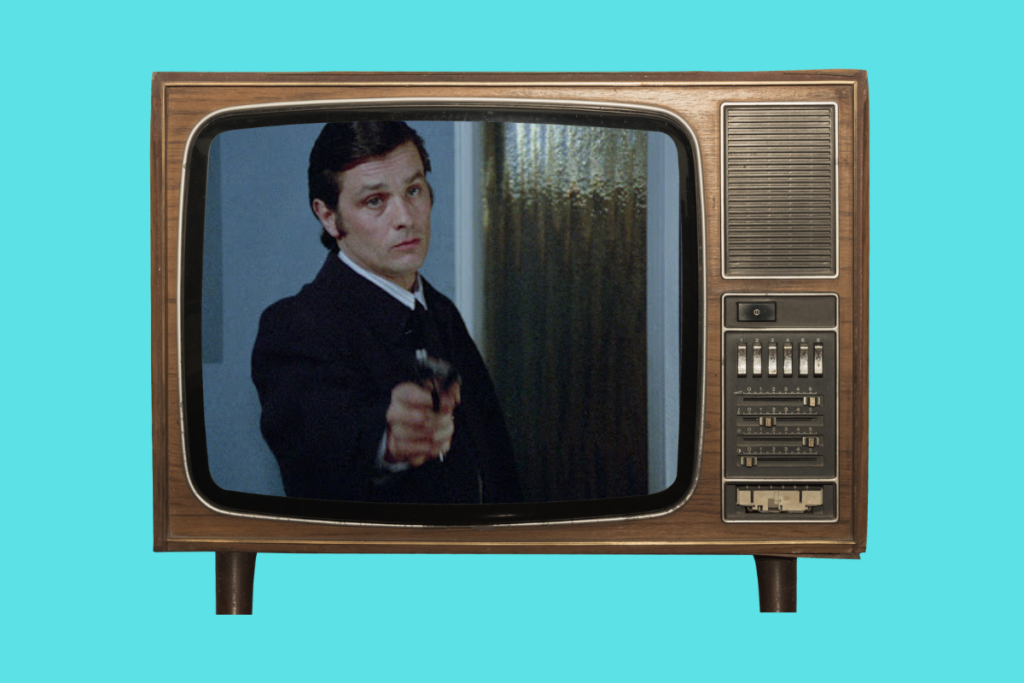
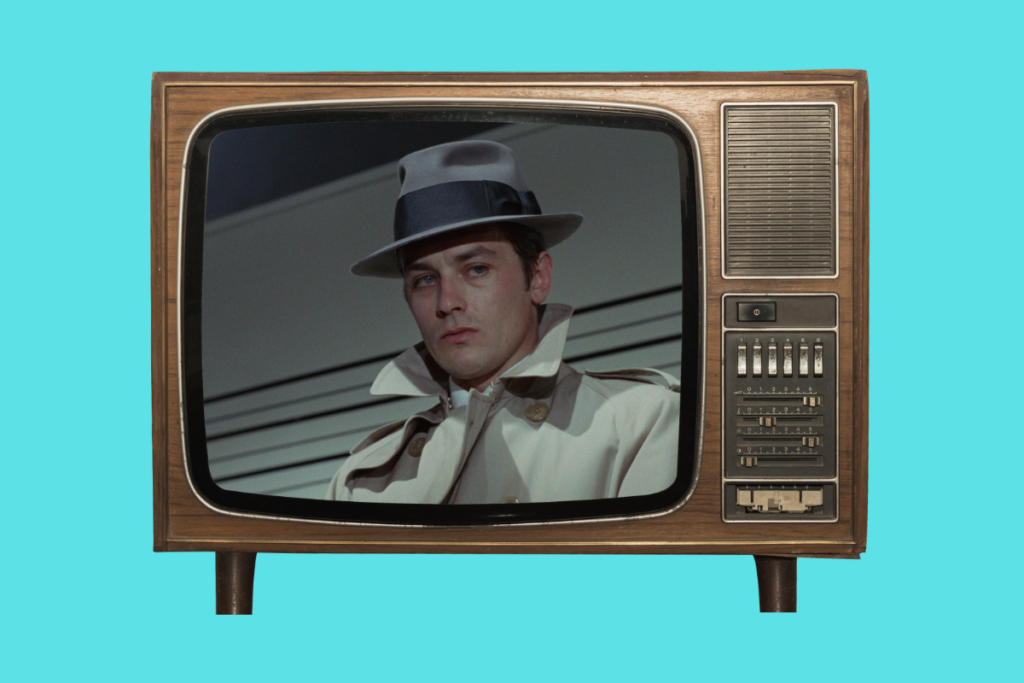
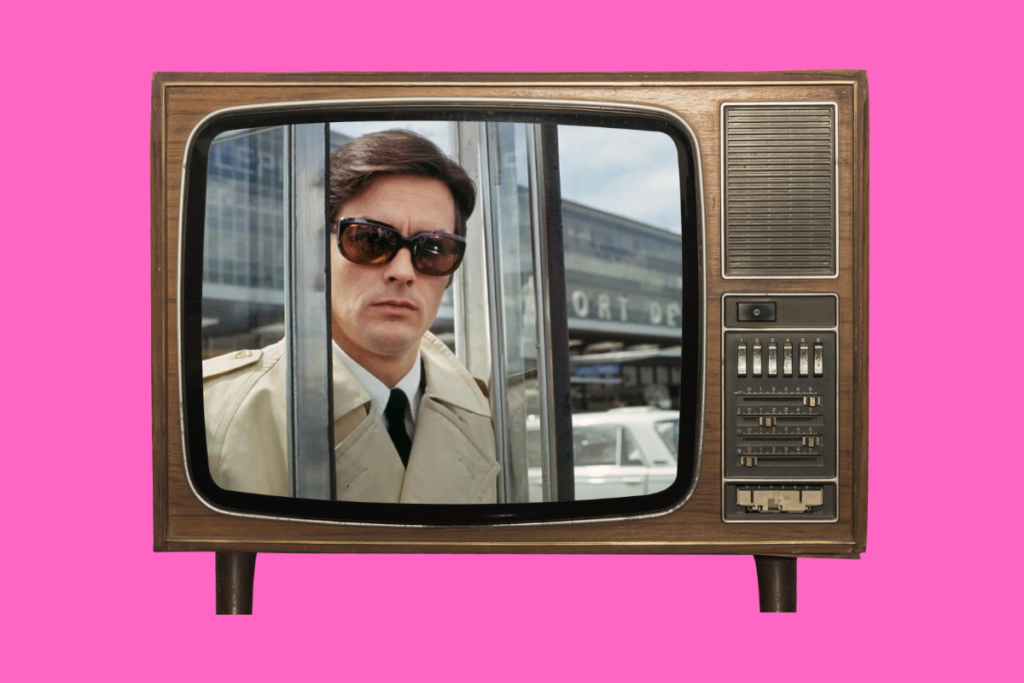
If I had to choose a single film that defines Alain Delon’s legacy, it would probably be Le Samouraï (1967). Directed by Jean-Pierre Melville, the film features Delon as Jef Costello, a professional assassin who lives according to a strict personal code. The performance is astonishingly restrained. Delon says very little, yet he dominates every scene. His trench coat, fedora and icy stare became instantly iconic. More importantly, the character influenced countless films and filmmakers that followed. You can see traces of Jef Costello in Drive, Ghost Dog, The Killer and even elements of John Wick. Delon helped create the blueprint for the modern cinematic antihero. Decades later, filmmakers are still borrowing from that template.
Borsalino, Gangsters and Tony Arzenta
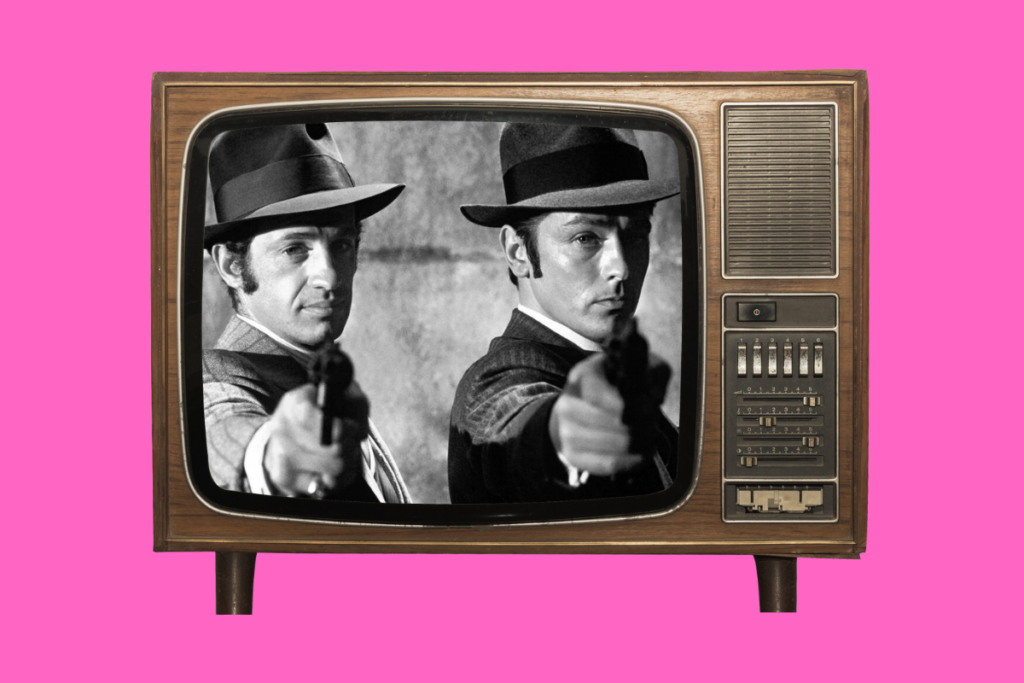
Although Delon excelled in art-house cinema, he was also one of Europe’s biggest commercial stars. A perfect example is Borsalino (1970), which paired him with fellow French superstar Jean-Paul Belmondo. Watching the two actors share the screen is a masterclass in charisma. The film became a huge success and remains one of the most beloved French gangster movies ever made. Delon continued exploring crime cinema throughout his career. One particularly underrated example is Tony Arzenta (1973), directed by Duccio Tessari. In the film, Delon plays a former mob assassin seeking revenge after a personal tragedy. It’s stylish, violent and emotionally engaging. Moreover, it demonstrates how effectively Delon could portray men haunted by their past. These roles cemented his reputation as one of cinema’s great screen gangsters.
The Alain Delon Look
Movie stars often influence fashion, but very few redefine it. Alain Delon did exactly that. His style became almost as famous as his performances. Whether wearing a perfectly tailored suit, a trench coat or a simple roll-neck jumper, Delon projected effortless sophistication. Directors, photographers and fashion designers all recognised this quality. Consequently, his image spread far beyond cinema. Generations of actors attempted to emulate his appearance and mannerisms. You can see his influence in everyone from Richard Gere and Michael Mann’s leading men to contemporary actors across Europe and Asia. Delon understood the power of understatement. He rarely appeared to be trying too hard, which somehow made him even cooler.
The Legacy of Alain Delon
The legacy of Alain Delon extends far beyond French cinema. He worked with some of the greatest directors in film history, starred in several undisputed masterpieces and helped define the modern crime thriller. More importantly, he created a screen persona that remains influential today. His performances in Purple Noon, The Leopard, Le Samouraï, Borsalino and Tony Arzenta continue to attract new audiences. Even viewers who have never seen an Alain Delon film have probably encountered characters inspired by him. Few actors leave that kind of impact behind. Alain Delon wasn’t simply a movie star. He became a cinematic archetype, and his influence continues to shape films more than half a century after his greatest performances.
Recommended Reading
If you’d like to explore Alain Delon’s career further, these books provide excellent insight into his life, films and the era he helped define:
Alain Delon: Style, Stardom and Masculinity – Ginette Vincendeau
A thoughtful and accessible examination of Delon’s screen image, cultural impact and enduring influence on European cinema.
Melville on Melville – Rui Nogueira
An essential collection of interviews with Jean-Pierre Melville that offers fascinating insight into the making of Le Samouraï and Delon’s most influential collaboration.
The Dark Side of Genius: The Life of Jean-Pierre Melville – Rui Nogueira
A compelling biography of the director who helped transform Delon into one of cinema’s defining antiheroes.
Visconti: A Biography – Gaia Servadio
An excellent account of Luchino Visconti’s life and career, including his important collaborations with Delon on Rocco and His Brothers and The Leopard.
Patricia Highsmith: Her Diaries and Notebooks
A fascinating companion to Purple Noon, offering insight into the novelist who created Tom Ripley, one of Delon’s most memorable characters.