Sundance Film Festival
Sundance Film Festival: The Snowy Home of Independent Cinema
How I Fell Down the Sundance Rabbit Hole
Like a lot of film fans of my generation, I first became aware of the Sundance Film Festival through the movies it launched rather than the festival itself. I would watch films like Reservoir Dogs, Clerks and Sex, Lies, and Videotape, then notice the same word appearing repeatedly in magazine articles, DVD extras and film books: Sundance. The more I explored American independent cinema, the more impossible it became to ignore. Before long, I realised that the Sundance Film Festival wasn’t simply another film festival. It had become the beating heart of independent filmmaking in America. For decades, Sundance has been the place where unknown filmmakers become major talents, where distributors discover future hits and where audiences get their first glimpse of movies that can genuinely change cinema.
Robert Redford and the Birth of Sundance
The story of the Sundance Film Festival begins with Robert Redford. During the late 1970s and early 1980s, Redford became increasingly concerned that personal filmmaking was being squeezed out by the growing power of the Hollywood studio system. His solution was the creation of the Sundance Institute, an organisation dedicated to supporting writers, directors and actors through workshops and development programmes. The Sundance Film Festival soon became the public face of that mission. What started as a relatively small gathering in Utah gradually evolved into the most influential showcase for independent cinema in the world. Redford’s goal wasn’t simply to create a film festival. He wanted to create an environment where filmmakers could take risks, develop their voices and tell stories that mainstream Hollywood might overlook.
Sex, Lies, and Videotape Changed Everything
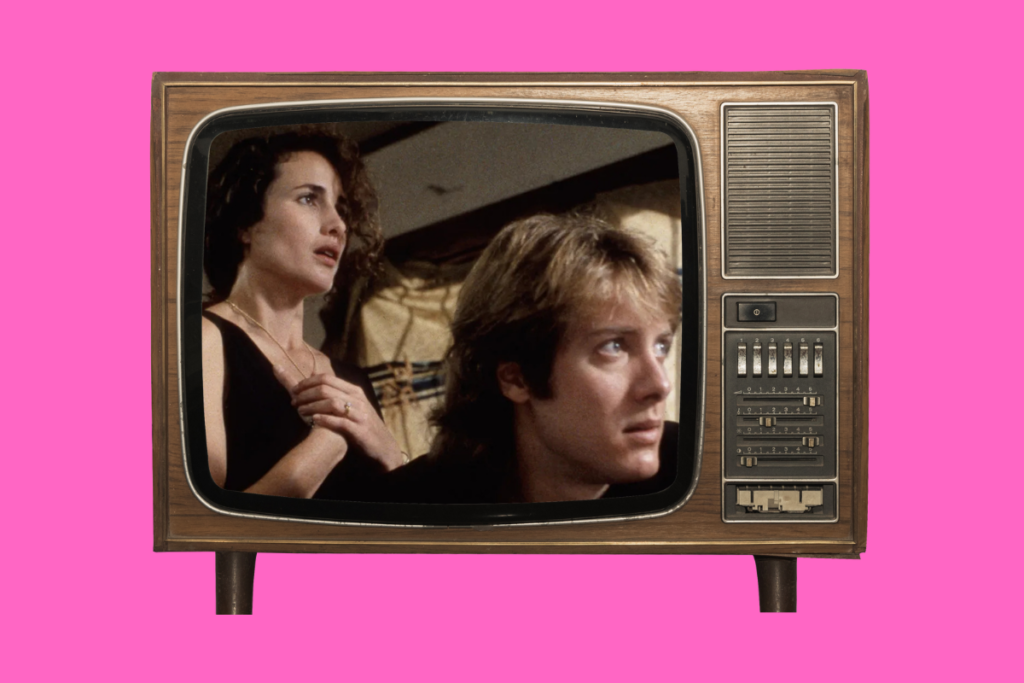
If there is one film that transformed the Sundance Film Festival forever, it’s probably Sex, Lies, and Videotape. Steven Soderbergh’s low-budget drama premiered at Sundance in 1989 and became an unexpected sensation. The film won audiences over, went on to triumph at Cannes and suddenly proved that independent films could achieve both critical acclaim and commercial success. The impact was enormous. Studios and distributors began paying far closer attention to Sundance, recognising it as a place where future hits could emerge. In many ways, Sex, Lies, and Videotape helped ignite the American independent film boom of the 1990s, opening the door for a generation of filmmakers who wanted to work outside traditional Hollywood structures.
The Festival That Launched Careers
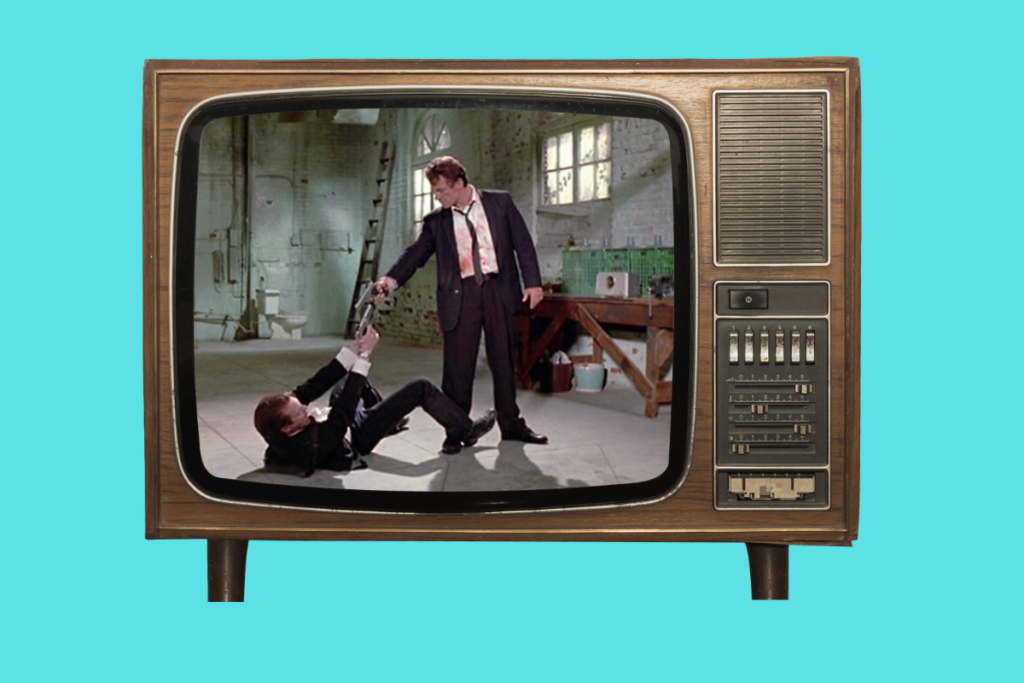
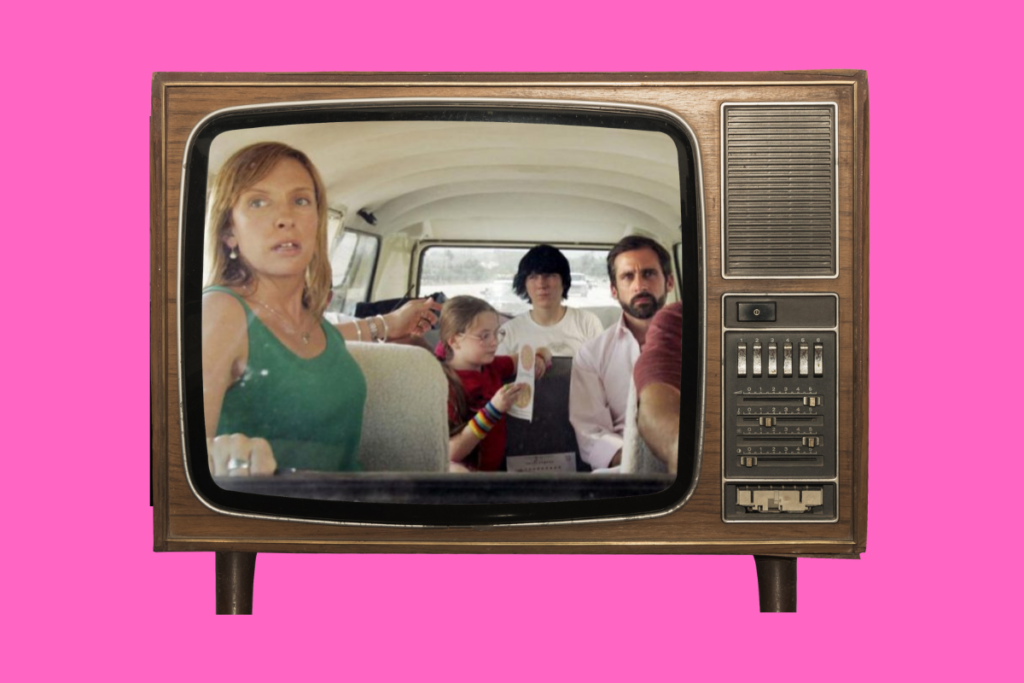
One of the reasons the Sundance Film Festival remains so important is the number of careers it has helped launch. Quentin Tarantino benefited from the Sundance Institute’s development programmes before becoming one of the defining filmmakers of his generation. Kevin Smith’s Clerks became one of the festival’s great success stories. Reservoir Dogs, The Blair Witch Project, Pi, Napoleon Dynamite, Little Miss Sunshine and countless others all gained momentum through Sundance exposure. For aspiring filmmakers, the festival became the closest thing cinema had to a lottery ticket. Every January, hopeful directors arrive in Park City dreaming that their film might be the next breakout success. Occasionally, those dreams come true.


Bidding Wars, Blockbusters and Independent Film Culture
By the late 1990s and early 2000s, the Sundance Film Festival had become famous for something else: bidding wars. Distributors would attend screenings hoping to discover the next independent hit before their competitors. Sometimes films would sell for millions of dollars within hours of screening. It was a fascinating contradiction. A festival created to support independent filmmaking had become one of the industry’s biggest marketplaces. Yet that commercial success also helped independent cinema reach wider audiences. Films that might once have struggled to find distribution suddenly had access to national and international releases. While not every Sundance acquisition became a success, the festival proved that smaller films could compete with major studio productions when given the opportunity.
Why the Sundance Film Festival Still Matters
The film industry has changed dramatically since Sundance first began. Streaming services dominate distribution, cinema attendance has become more challenging and audiences consume films in entirely different ways. Yet the Sundance Film Festival remains one of the most important events in the film calendar because its core mission hasn’t changed. It still exists to champion new voices, support creative risks and introduce audiences to filmmakers they may never have discovered otherwise. More importantly, Sundance reminds us that cinema isn’t just about franchises, sequels and billion-dollar box office returns. Sometimes all it takes is a great story, a unique perspective and a filmmaker brave enough to put their work in front of an audience. That’s what Sundance has always celebrated, and it’s why the festival continues to matter.
Recommended Books on Sundance and Independent Cinema
Sundance: A History of the Sundance Film Festival – John Cooper
A highly readable look at the festival’s evolution from a small regional event into a global powerhouse.
Rebel Without a Crew – Robert Rodriguez
One of the most entertaining filmmaking memoirs ever written. Essential reading for anyone interested in independent cinema.
Down and Dirty Pictures – Peter Biskind
A juicy, behind-the-scenes account of Miramax, Sundance and the explosion of independent film during the 1990s.
My First Movie – Stephen Lowenstein
Filmmakers including Quentin Tarantino, Kevin Smith and Steven Soderbergh discuss how they made their first features.