

What is a Cult Film?
What Is a Cult Film? From Midnight Movies to Movie Obsessions
The First Time I Discovered Cult Cinema
Like many film fans, I discovered cult movies almost by accident.
One recommendation led to another. A strange VHS cover caught my eye in a video shop. A late-night TV screening introduced me to something completely unlike the films everyone else was talking about. Before long, I was discovering movies that felt like they were speaking directly to a small group of devoted fans rather than a mainstream audience.
That’s really the magic of cult cinema.
Cult films often exist slightly outside the mainstream. They’re the movies people passionately recommend to friends, quote endlessly, and return to again and again. Whether it’s a surreal nightmare, an offbeat comedy or a low-budget oddity, these films create loyal followings that can last for decades.
What Actually Makes a Cult Film?
One of the biggest misconceptions about cult films is that they have to be strange.
While many cult movies are undeniably weird, being unusual isn’t enough on its own. A cult film is usually a movie that develops a dedicated fanbase over time, often long after its original release. Some were box-office disappointments. Others were ignored by critics. A few were simply too unconventional for mainstream audiences.
What unites them is passion.
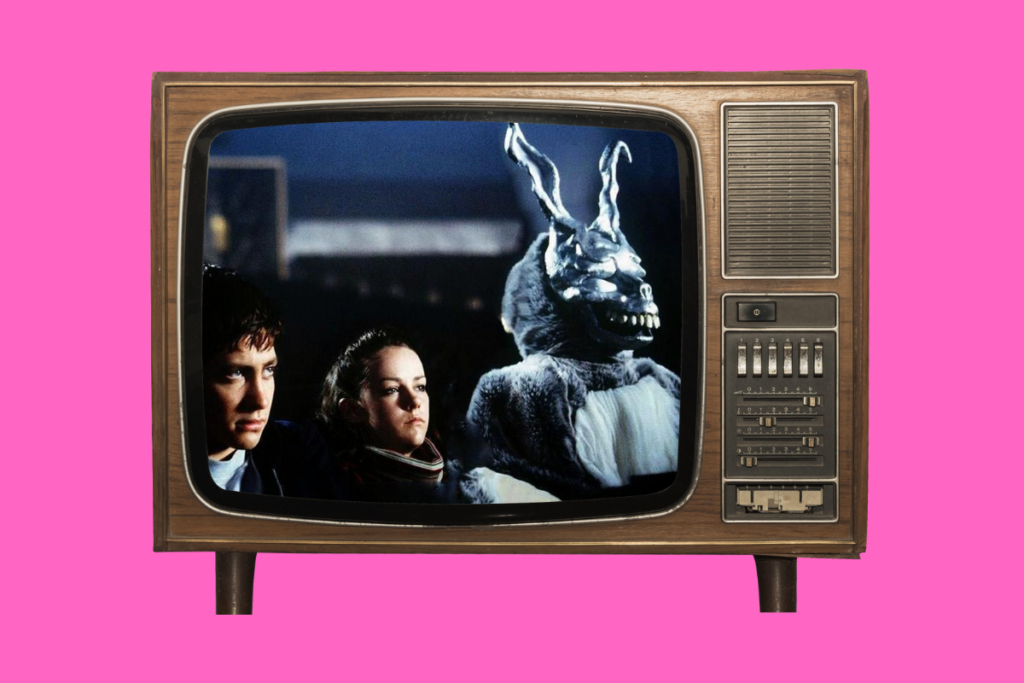
Fans embrace these films completely. They watch them repeatedly, discuss them endlessly and introduce them to new audiences. Films like The Rocky Horror Picture Show, Donnie Darko and The Big Lebowski didn’t become cult classics because they followed the rules. They became cult classics because they created communities of fans who genuinely loved them.
The Rise of the Midnight Movie
The modern cult film movement really exploded during the 1970s with the rise of midnight screenings.
Cinemas began showing unusual films late at night to audiences looking for something different from mainstream Hollywood entertainment. These screenings became social events as much as film screenings. Viewers returned week after week, bringing friends, quoting dialogue and building a shared culture around the movies.
Two films became particularly important.
David Lynch’s Eraserhead transformed from an experimental curiosity into a midnight movie sensation thanks to its unsettling atmosphere and dreamlike imagery. Meanwhile, Alejandro Jodorowsky’s El Topo combined westerns, surrealism and spiritual symbolism into something unlike anything audiences had seen before.
These films proved that a movie didn’t need mass appeal to become a phenomenon.





Why Cult Films Create Such Loyal Fans
What fascinates me about cult cinema is how personal the experience often feels.
Cult films rarely try to please everyone. Instead, they connect deeply with a specific audience. Sometimes it’s because of a unique visual style. Sometimes it’s the humour, the themes or simply the feeling that nobody else could have made that particular film.
That connection creates loyalty.
When you meet somebody who loves the same obscure cult movie you do, there’s an immediate bond. It’s like discovering another member of a secret club. Cult cinema has always thrived on word-of-mouth recommendations, shared enthusiasm and the joy of introducing someone to a film they’ve never encountered before.
Why Cult Movies Never Really Die
The best cult films refuse to disappear.
While many blockbuster hits eventually fade from public memory, cult movies often grow stronger with age. New audiences discover them through streaming, social media and recommendations from fellow film fans. Their communities continue expanding long after the original release.
That’s why cult cinema remains so important.
These films remind us that cinema isn’t just about box office success. Sometimes the movies that matter most are the strange, awkward and unforgettable ones that find their audience slowly. Cult films aren’t simply movies. They’re shared experiences, lifelong obsessions and proof that the weirdest corners of cinema are often the most rewarding.
Recommended Books on Cult Cinema
These are fun, highly readable books rather than dry film studies:
Cult Movies Volumes 1 & 2 – Danny Peary
The books that helped define cult cinema itself.
Midnight Movies – J. Hoberman & Jonathan Rosenbaum
The essential story of the midnight movie phenomenon.
Cinema Speculation – Quentin Tarantino
A hugely entertaining love letter to offbeat cinema.
Destroy All Movies!!! – Zack Carlson & Bryan Connolly
An outrageous guide to punk, cult and underground films.
Incredibly Strange Films – V. Vale & Andrea Juno
Weird, wonderful and packed with bizarre discoveries.
The Psychotronic Encyclopedia of Film – Michael Weldon
A cult movie treasure map full of hidden gems.