
Video Nasties
Growing Up During the Video Nasties Panic
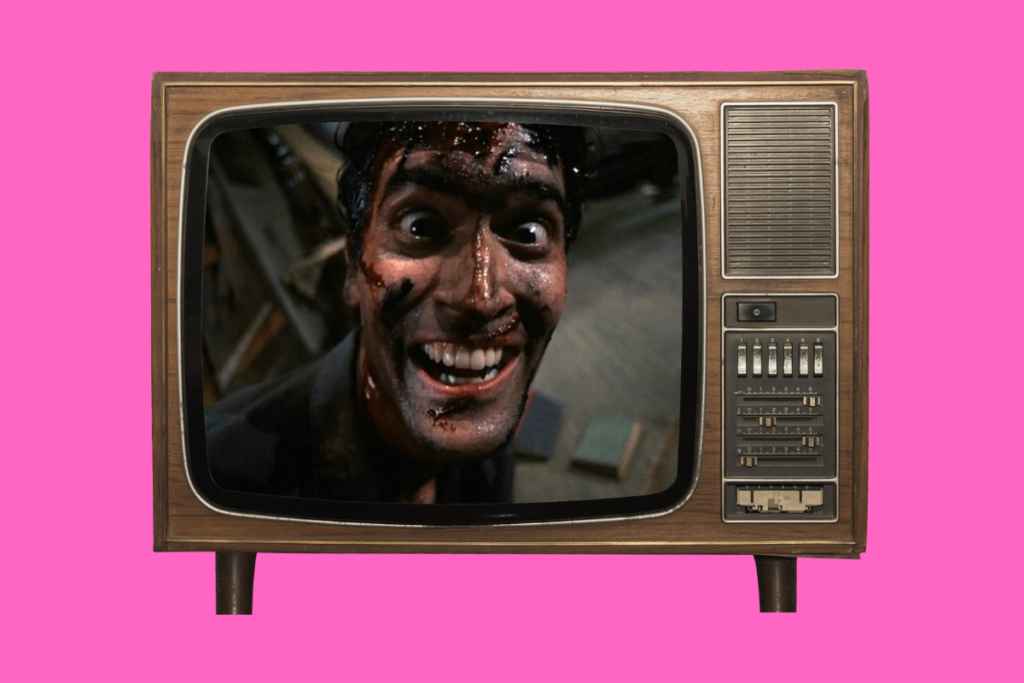
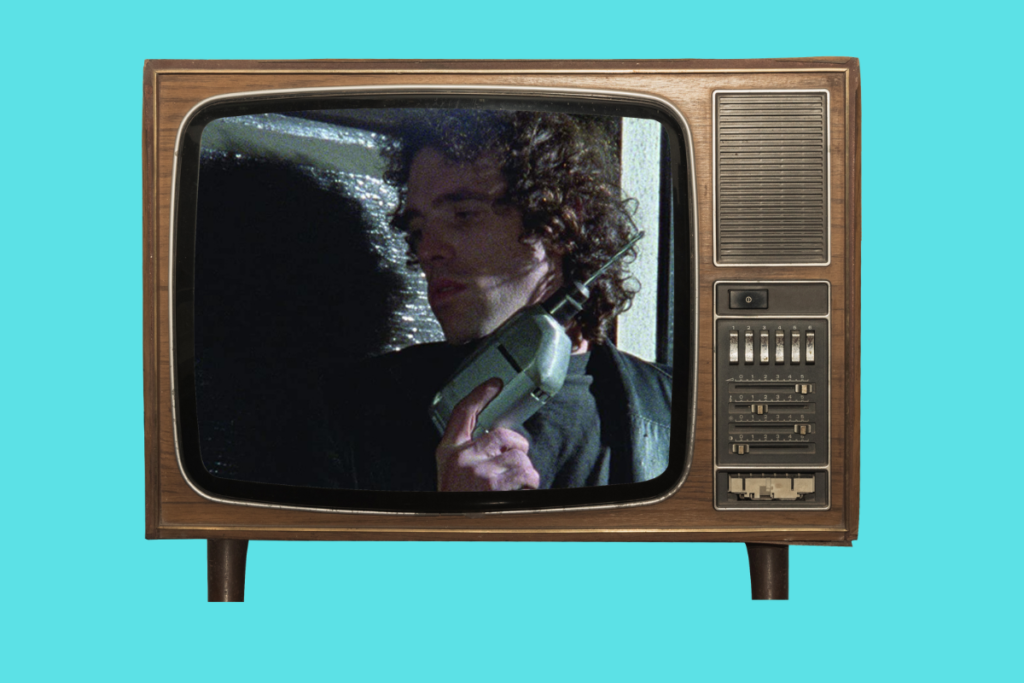
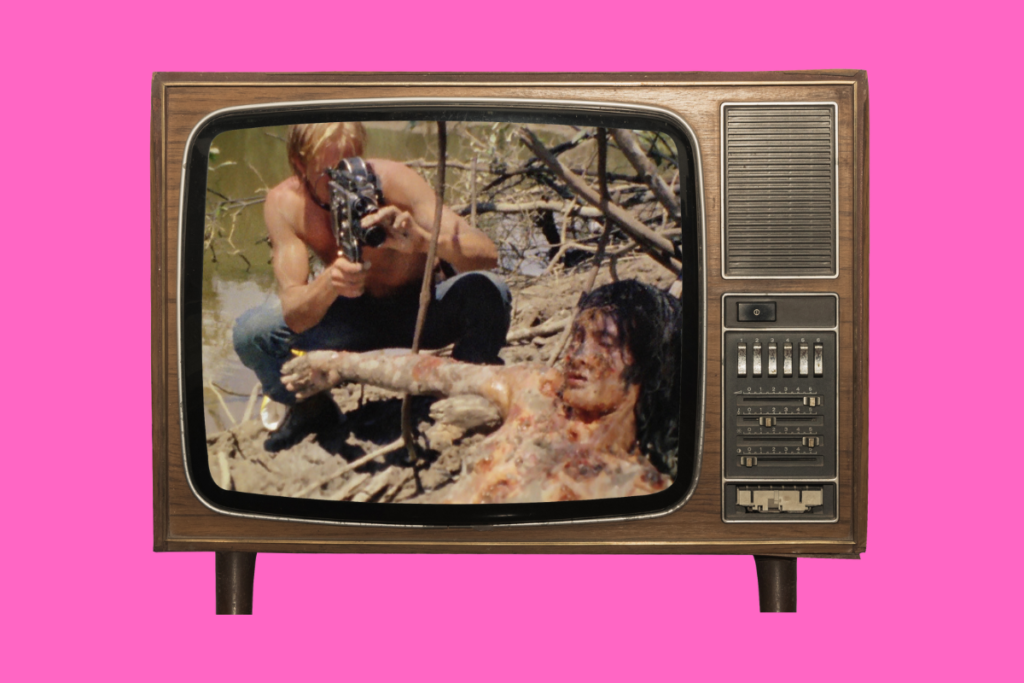
I’m old enough to remember the Video Nasties panic happening in real time. That’s probably why horror films always felt slightly dangerous when I was growing up. Throughout the early 1980s, newspapers and television seemed obsessed with warning the public about these supposedly corrupting VHS horrors. Even before I’d seen most of them, films like Cannibal Holocaust, Dead & Buried, The Driller Killer and The Evil Dead had acquired an almost mythical reputation. For many British kids, the Video Nasties weren’t just films. They were forbidden treasures hiding on the shelves of local video shops.
How VHS Changed Horror Cinema Forever
The arrival of home video transformed film culture almost overnight. Suddenly, low-budget horror films, exploitation movies and cult cinema from around the world sat alongside mainstream releases. Politicians and campaigners quickly became concerned. Very few regulations governed what appeared on video shop shelves. The Video Nasties controversy emerged from this VHS boom. Britain was struggling to adapt to a technology that had arrived faster than the law could keep up.
What Were the Video Nasties?
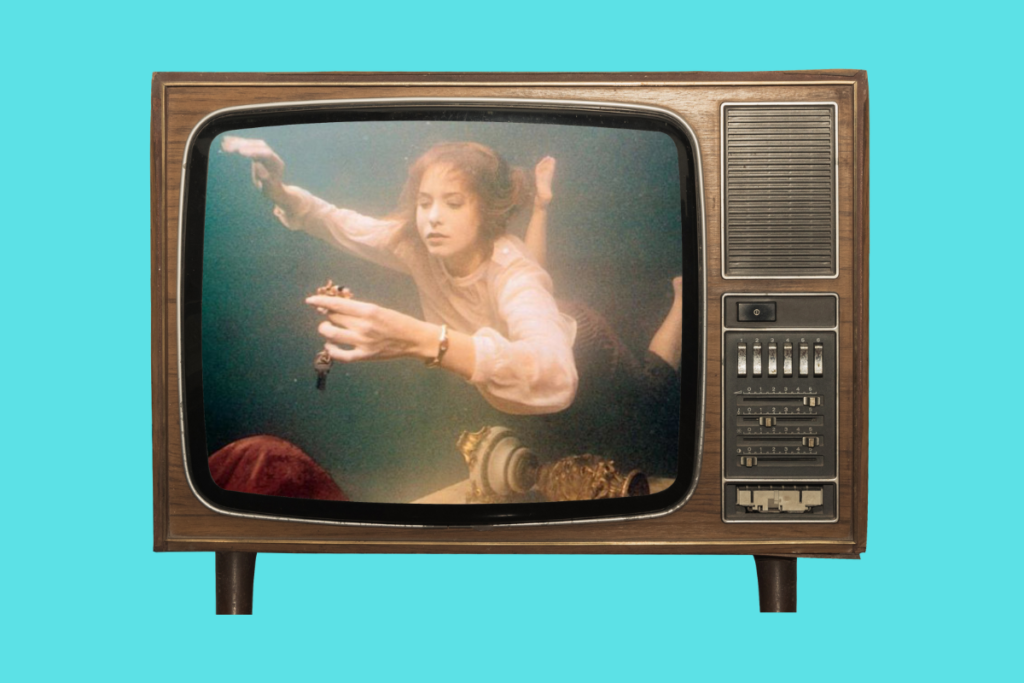
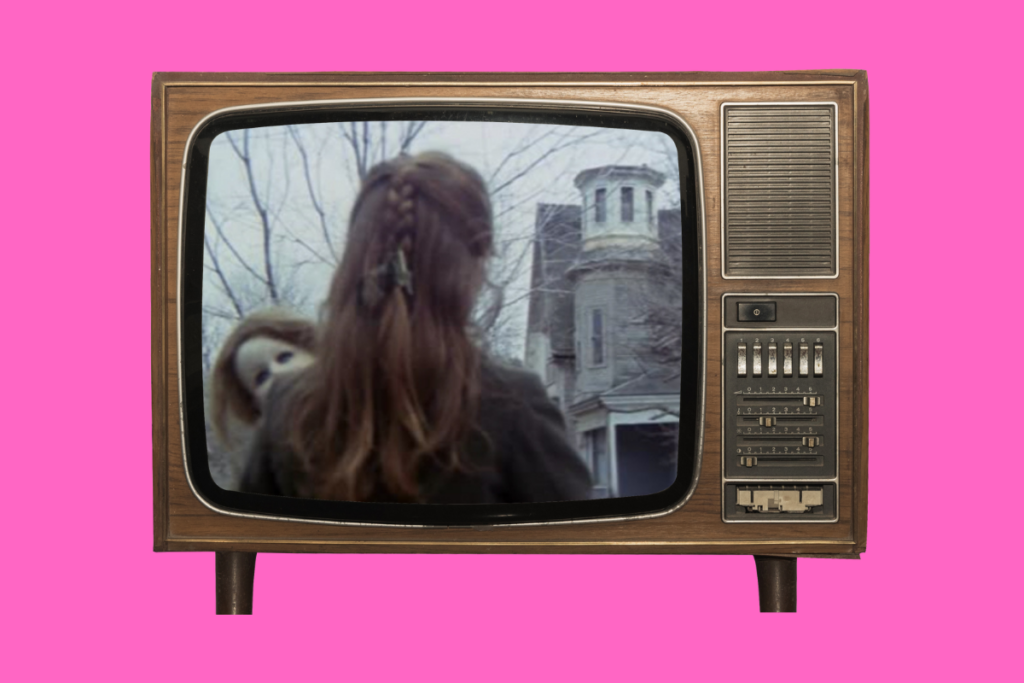
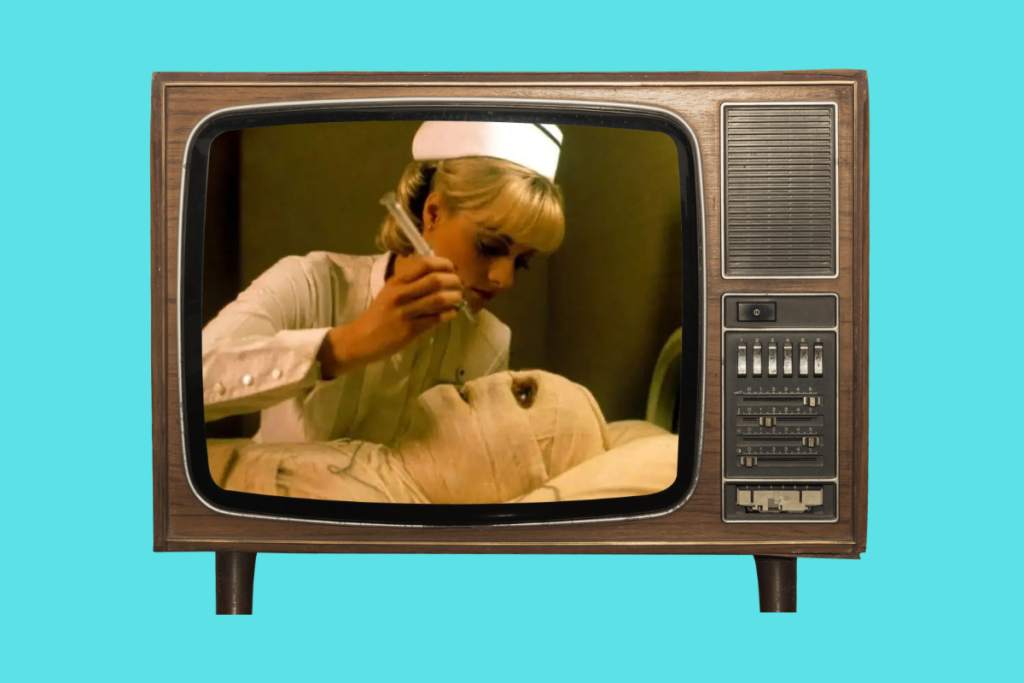
Despite the name, the term “Video Nasties” was never an official film classification. The media largely created it. It soon became shorthand for horror and exploitation films accused of being obscene or harmful. Under pressure from campaign groups and sensational headlines, the Director of Public Prosecutions drew up lists of titles that could be prosecuted or seized. Films such as The Last House on the Left, Cannibal Holocaust, Driller Killer and The Evil Dead suddenly became front-page news. Italian horror films also found themselves caught up in the panic. Titles such as Mario Bava’s A Bay of Blood, Dario Argento’s Tenebrae and Lucio Fulci’s The House by the Cemetery gained notoriety far beyond their original audiences.
Britain, Censorship and Moral Panic
Looking back, the Video Nasties scandal says as much about Britain in the Thatcher era as it does about horror cinema itself. Fears about youth culture, media influence and declining social standards became wrapped up in the debate. Some films were undoubtedly extreme. Others were swept up in the panic because of their artwork, titles or reputation. The result was one of the most fascinating censorship battles in British film history. It eventually led to the introduction of the Video Recordings Act in 1984.
From Banned Horror to Cult Classics
The irony is that many films condemned during the Video Nasties era later became celebrated cult classics. Directors such as Sam Raimi, Wes Craven and Tobe Hooper are now recognised as major figures in horror cinema. Films once seized by police or heavily cut by censors are widely available today. They are also studied as important examples of genre filmmaking. In many ways, attempts to suppress these films only increased their appeal. They also helped create a generation of dedicated horror fans.
Why the Video Nasties Still Fascinate Horror Fans
What I love most about the Video Nasties story is the sense of mystery that surrounded these films. Before streaming services and social media, discovering cult horror relied on rumours, magazine articles and glimpses of VHS box art. Horror fandom felt like a secret society that you slowly found your way into. The Video Nasties panic may have been fuelled by fear and outrage. However, it also helped preserve a unique chapter of film history. More than forty years later, it still fascinates horror fans.
Recommended Reading
These are all highly readable, entertaining and packed with stories rather than academic theory:
Art of the Nasty — Marc Morris
The essential Video Nasties book. A brilliant visual history packed with VHS artwork, censorship stories and banned horror legends.
The Seduction of the Gullible – John Martin
A hugely entertaining look at Britain’s horror censorship battles and the films that caused outrage.
Nightmare Movies — Kim Newman
One of the most enjoyable books ever written about horror cinema. Funny, knowledgeable and impossible to put down.
See No Evil — David Kerekes and David Slater
A fascinating exploration of exploitation cinema and controversial horror films.
Immoral Tales — Cathal Tohill and Pete Tombs
An entertaining deep dive into European cult cinema, exploitation films and horror oddities.