Universal Monsters
The Universal Monsters That Started My Love of Horror
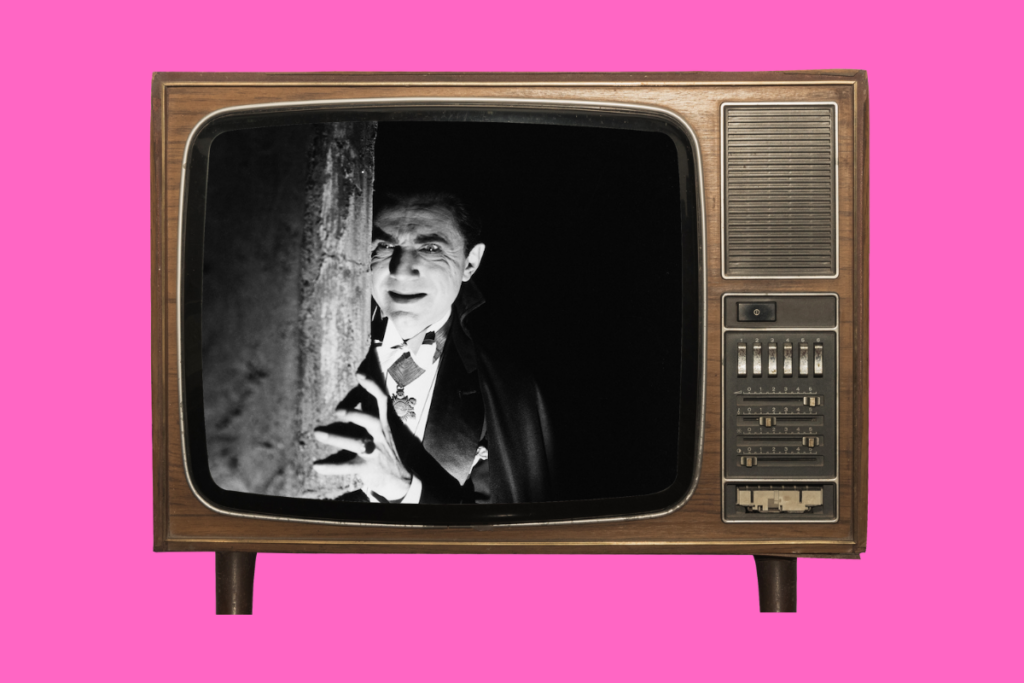
Some of my earliest memories of horror cinema are tied directly to the Universal Monsters. Long before I knew anything about directors, film history or genre filmmaking, I was fascinated by the unforgettable images of Bela Lugosi’s Dracula and Boris Karloff’s Frankenstein Monster. Like many film fans, I discovered these classic horror films through television, and they immediately felt different from anything else I’d seen. The Universal Monsters weren’t simply movie characters – they felt like modern myths that had somehow escaped the screen and become part of popular culture itself.
Dracula and Frankenstein Changed Horror Forever
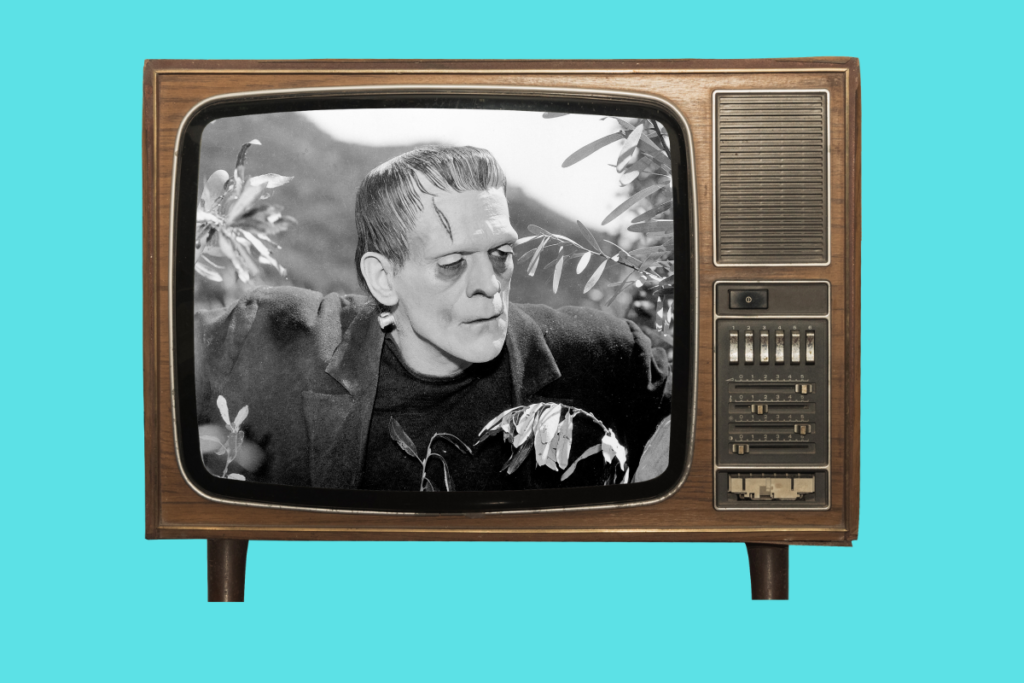
When Universal Pictures released Dracula and Frankenstein in 1931, they effectively created the blueprint for modern horror cinema. Watching them today, I’m always struck by how atmospheric they remain. Lugosi’s performance in Dracula became the definitive vampire portrayal, while Karloff transformed Frankenstein’s Monster into one of cinema’s most tragic and sympathetic creations. These Universal Monsters succeeded because they weren’t simply frightening – they were memorable, emotional and surprisingly human. Nearly a century later, filmmakers are still borrowing ideas from both films.
Why The Universal Monsters Still Feel Human
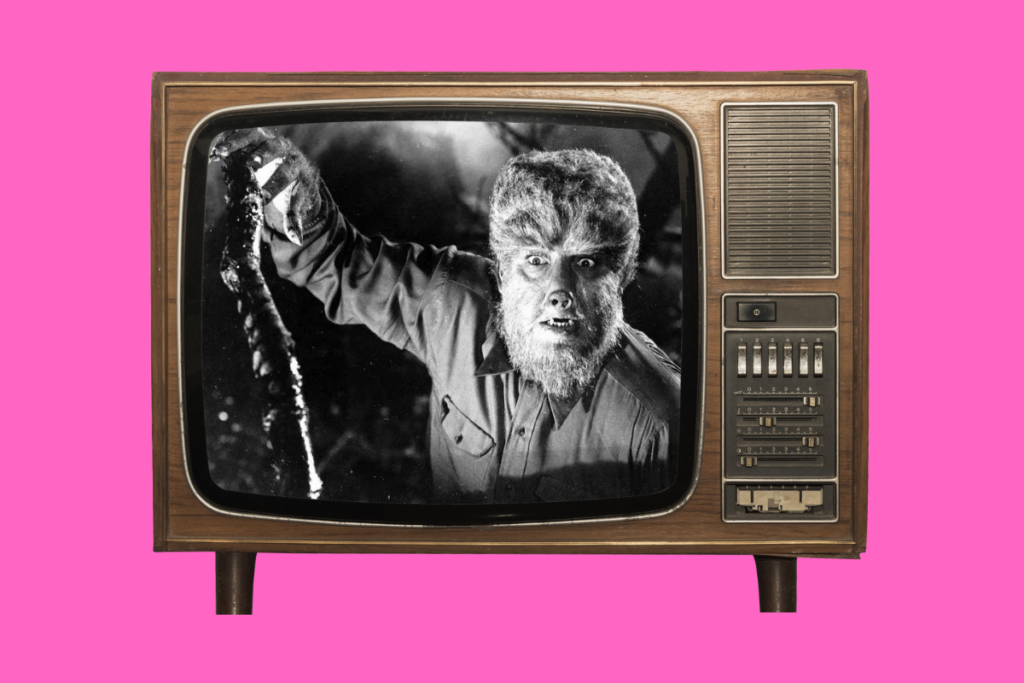
One reason the Universal Monsters have endured is because they’re driven by emotion rather than spectacle. Frankenstein’s Monster is rejected because of his appearance. The Wolf Man is cursed by forces he cannot control. Even Dracula carries an air of loneliness and melancholy beneath the menace. The best Universal horror films understood that audiences connect more deeply with tragedy than terror alone. That’s why characters created in the 1930s still resonate today while countless other horror creations have been forgotten.
The Gothic Style That Defined Horror Cinema
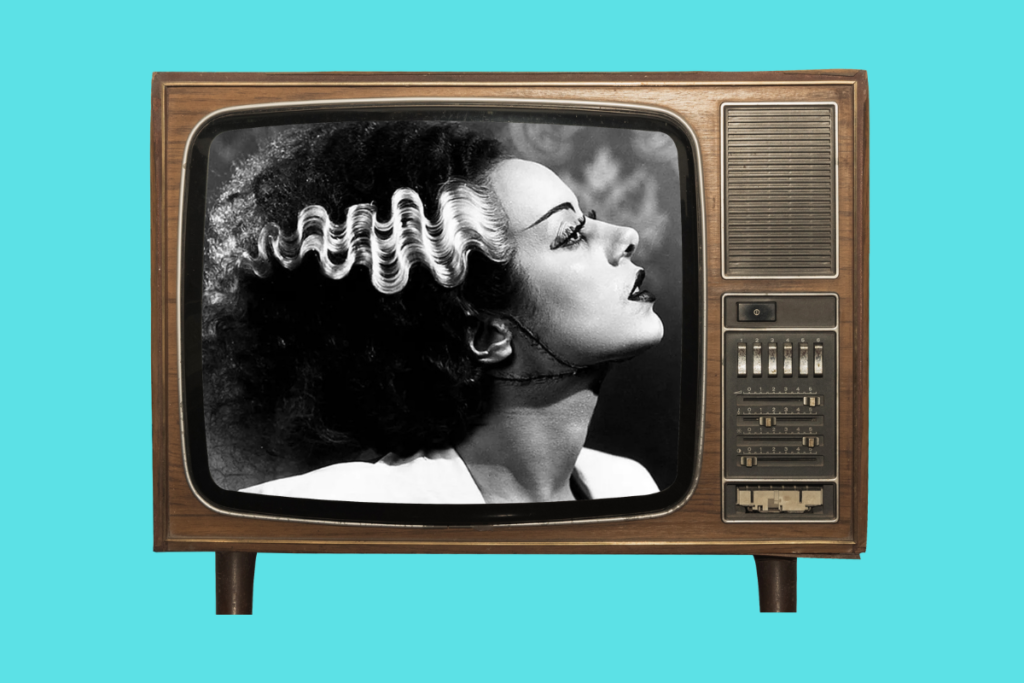
Visually, the Universal Monsters helped establish the language of horror cinema. Shadow-filled castles, fog-covered graveyards, twisted laboratories and dramatic lighting all became horror staples thanks to Universal’s films. Influenced heavily by German Expressionism, movies like Dracula, Frankenstein, The Invisible Man and The Bride of Frankenstein created imagery that remains instantly recognisable. Whether you’re watching a Hammer Horror film, a Tim Burton fantasy or a Guillermo del Toro masterpiece, you can still see the influence of Universal horror everywhere.
The Monster Universe Before Cinematic Universes Existed
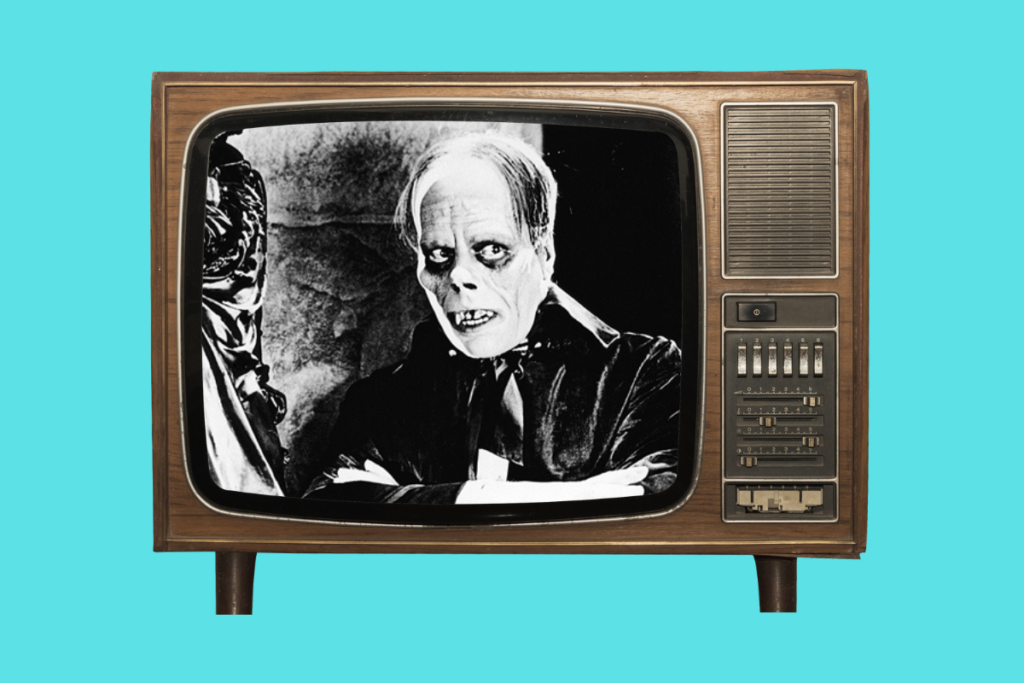
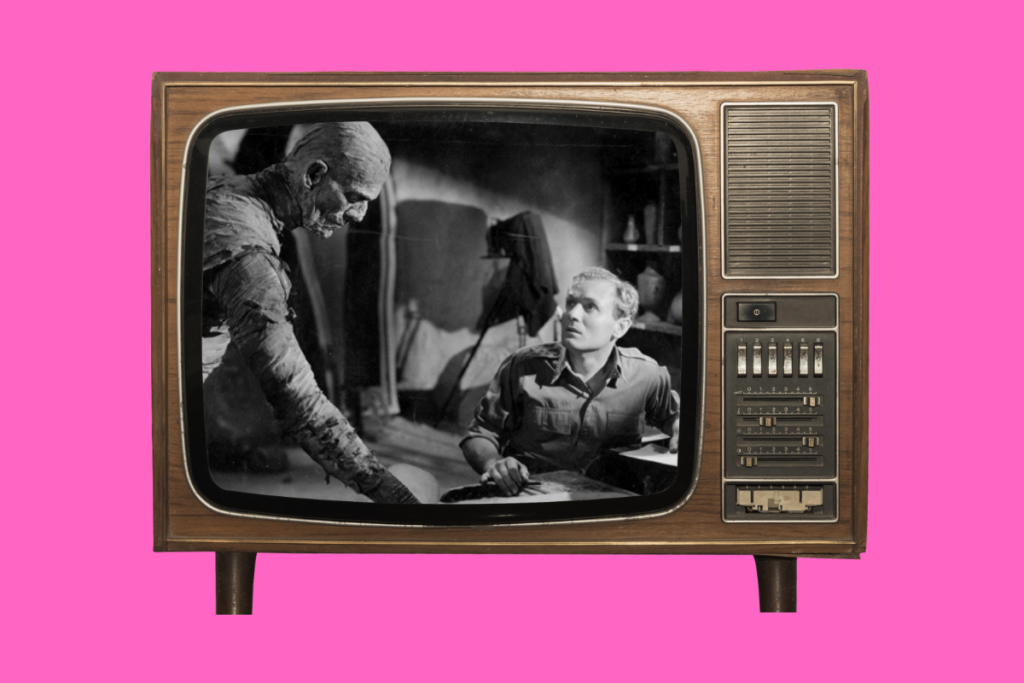
Long before Marvel created interconnected superhero franchises, Universal had already built its own monster universe. Characters crossed over in films such as Frankenstein Meets the Wolf Man and later Abbott and Costello Meet Frankenstein, proving audiences loved seeing these iconic creatures share the screen. The Universal Monsters became cultural icons rather than simple horror villains. Dracula, Frankenstein’s Monster, The Mummy, The Invisible Man and The Wolf Man were effectively the first shared cinematic mythology, decades before the term “cinematic universe” even existed.
Why The Universal Monsters Still Matter Today
What I love most about the Universal Monsters is how timeless they remain. Unlike many horror villains who are tied to a particular era, these characters feel closer to folklore and fairy tales. The vampire, the cursed man-beast, the misunderstood creature and the scientist who pushes too far are stories that never really go out of fashion. That’s why filmmakers continue returning to them generation after generation. The Universal Monsters didn’t just shape horror cinema – they helped create the foundations of modern popular culture itself.
Fun Universal Monsters Book Recommendations
If you want to explore the Universal Monsters further without disappearing down an academic rabbit hole, these are brilliant reads:
The Monster Show — David J. Skal
A hugely entertaining look at horror cinema and monster culture that reads more like a great story than a film textbook.
Hollywood Gothic — David J. Skal
The fascinating and often bizarre story behind the making of Dracula and the birth of Universal horror.
Universal Horrors — Michael Brunas, John Brunas and Tom Weaver
Packed with behind-the-scenes stories, rare photographs and production gossip. Essential for monster fans.
Bela Lugosi and Boris Karloff: The Expanded Story of a Haunting Collaboration — Gregory William Mank
A wonderfully readable look at horror cinema’s two greatest stars.
It’s Alive! — Gregory William Mank
The complete story behind Frankenstein, filled with fascinating production details and anecdotes.
The Creature Chronicles — Tom Weaver
A fun celebration of Universal’s classic monsters and the fans who kept them alive for generations.