

Roger Corman
Roger Corman: The Godfather of Independent Cinema
The Filmmaker Who Changed Independent Cinema
Few filmmakers have influenced modern cinema quite like Roger Corman. His impact reaches far beyond horror. In fact, it extends from independent filmmaking to major Hollywood blockbusters. Growing up as a film fan, I quickly realised Corman was far more than a director or producer. He was a genuine force of nature. While many people know him for his Edgar Allan Poe adaptations starring Vincent Price, his influence stretches much further. Most importantly, he helped launch the careers of future filmmaking legends. Among them were Martin Scorsese, Peter Bogdanovich, James Cameron, Joe Dante, John Sayles and Jonathan Demme.
Roger Corman and the Edgar Allan Poe Films
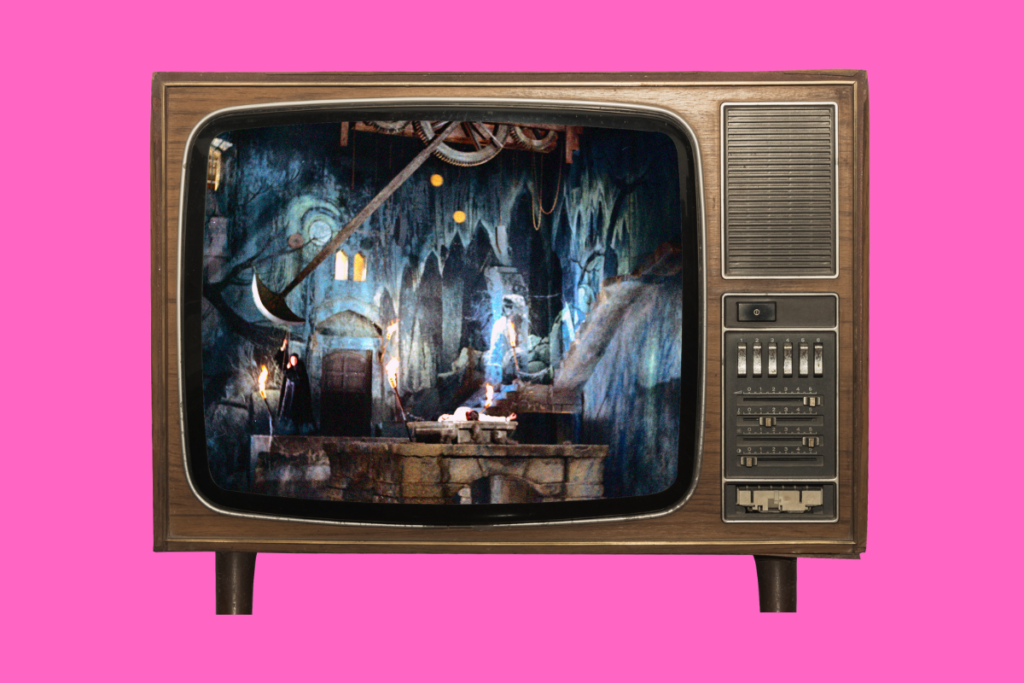
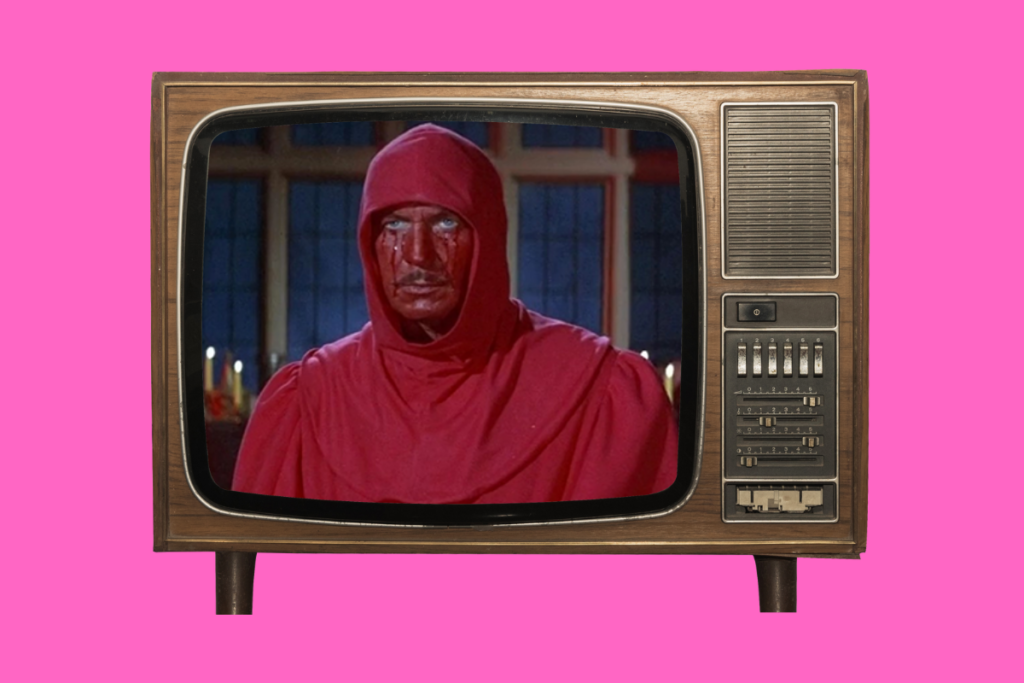
When discussing Roger Corman films, it is impossible not to begin with his remarkable Poe cycle. Films such as The Pit and the Pendulum and The Masque of the Red Death remain among the finest examples of Gothic horror ever made. They combined striking visuals, psychological tension and unforgettable performances from Vincent Price. As a result, they elevated low-budget horror into something genuinely artistic. Even today, their influence can be seen throughout modern genre cinema. Directors such as Tim Burton and Guillermo del Toro have both embraced elements of Corman’s atmospheric style.
The Story Behind The Trip
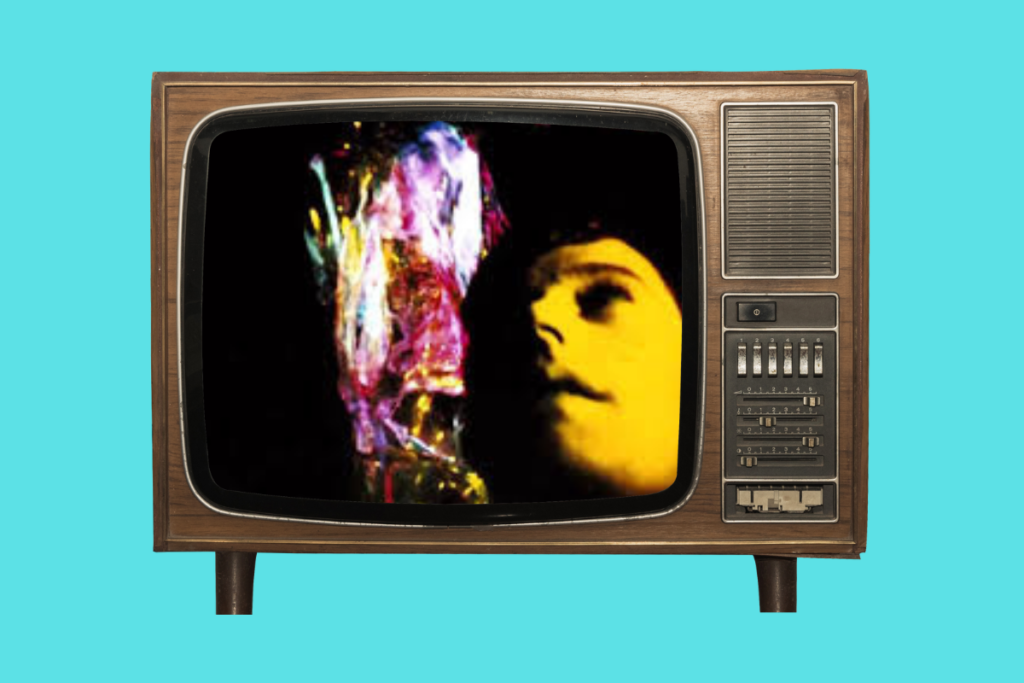
However, Roger Corman never limited himself to a single genre. One of the most fascinating films in his career is The Trip (1967). Inspired by the counterculture movement, it explored the psychedelic experiences that defined the era. The screenplay came from a young Jack Nicholson, while Peter Fonda took the lead role. During production, Nicholson and Fonda reportedly persuaded Corman to experiment with LSD himself. They believed it would help him understand the material more fully. Whether wise or not, the experience helped shape one of the decade’s most unusual studio-backed films. Furthermore, it highlighted Corman’s willingness to embrace new ideas.
Why Frankenstein Unbound Deserves Reappraisal
Although his horror films attract most of the attention, some of Roger Corman’s later work deserves greater recognition. Frankenstein Unbound (1990), based on Brian Aldiss’s acclaimed novel, remains one of the most ambitious films he ever directed. The film combines science fiction, time travel and Gothic horror. Consequently, it feels unlike almost anything else in his filmography. Sadly, it remains largely forgotten today. Nevertheless, it showcases a filmmaker who continued taking creative risks long after many of his contemporaries had stopped doing so.



New World Pictures and Cult Cinema
As a producer, Corman’s achievements may be even more impressive than his directing work. Through New World Pictures, he brought audiences cult classics such as Death Race 2000 and Piranha. Both films became hugely influential within their genres. In addition, his company introduced American audiences to some of the world’s greatest filmmakers. New World distributed acclaimed foreign films from masters such as Federico Fellini and Ingmar Bergman. Consequently, countless film fans discovered arthouse cinema through Corman’s efforts.
Why Roger Corman Still Matters
Ultimately, Roger Corman’s legacy is not defined by a single film or genre. Instead, it rests on his ability to spot talent, embrace innovation and deliver entertaining cinema on limited budgets. Whether directing Gothic masterpieces like The Pit and the Pendulum or producing cult favourites such as Death Race 2000, he continually pushed boundaries. Just as importantly, he gave opportunities to filmmakers who later transformed Hollywood. Few people have achieved so much with so little. Even fewer have left such a lasting mark on film history.
Recommended Reading
Roger Corman: Blood-Sucking Vampires, Flesh-Eating Cockroaches, and Driller Killers – Beverly Gray
How I Made a Hundred Movies in Hollywood and Never Lost a Dime – Roger Corman with Jim Jerome
Easy Riders, Raging Bulls – Peter Biskind
The Method: How the Twentieth Century Learned to Act – Isaac Butler
Vincent Price: A Daughter’s Biography – Victoria Price
Edgar Allan Poe – Peter Ackroyd