

Post-Modern Cinema
Post-Modern Cinema – When Movies Started Winking Back at Us
How I Discovered Post-Modern Cinema
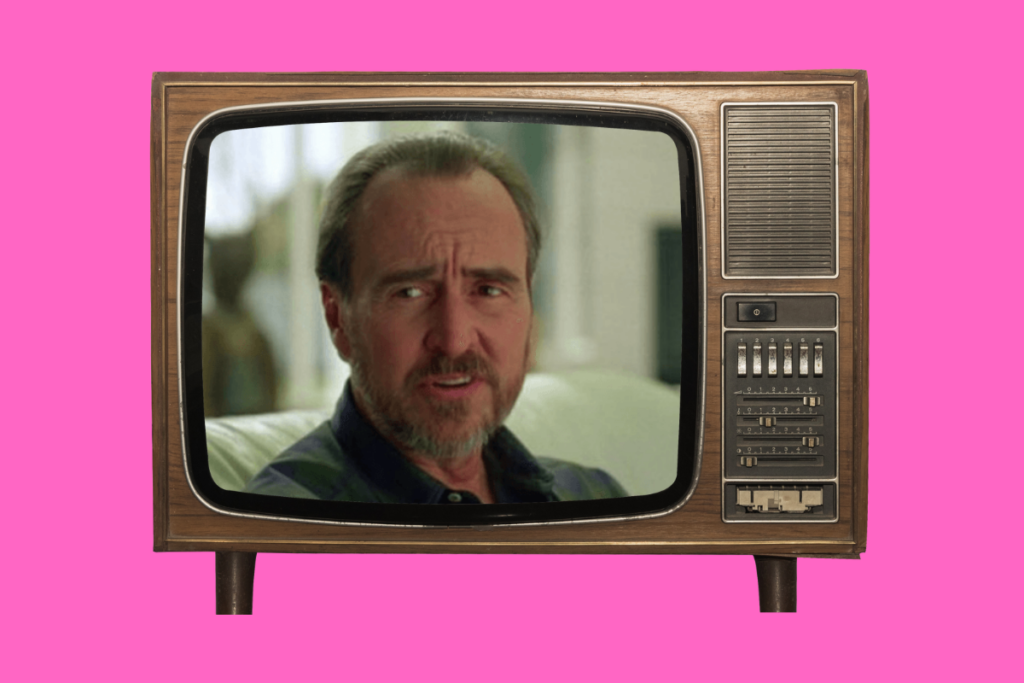
I think the first time I became consciously aware of post-modern cinema was when I watched Wes Craven’s New Nightmare in 1994. Even then, it felt completely different from the horror films surrounding it. Instead of simply giving us another Freddy Krueger sequel, Wes Craven turned the camera back on the franchise itself. Actors played versions of themselves, the Nightmare on Elm Street films existed within the story, and reality constantly blurred with fiction. It was clever, unsettling and unlike anything I’d seen before.
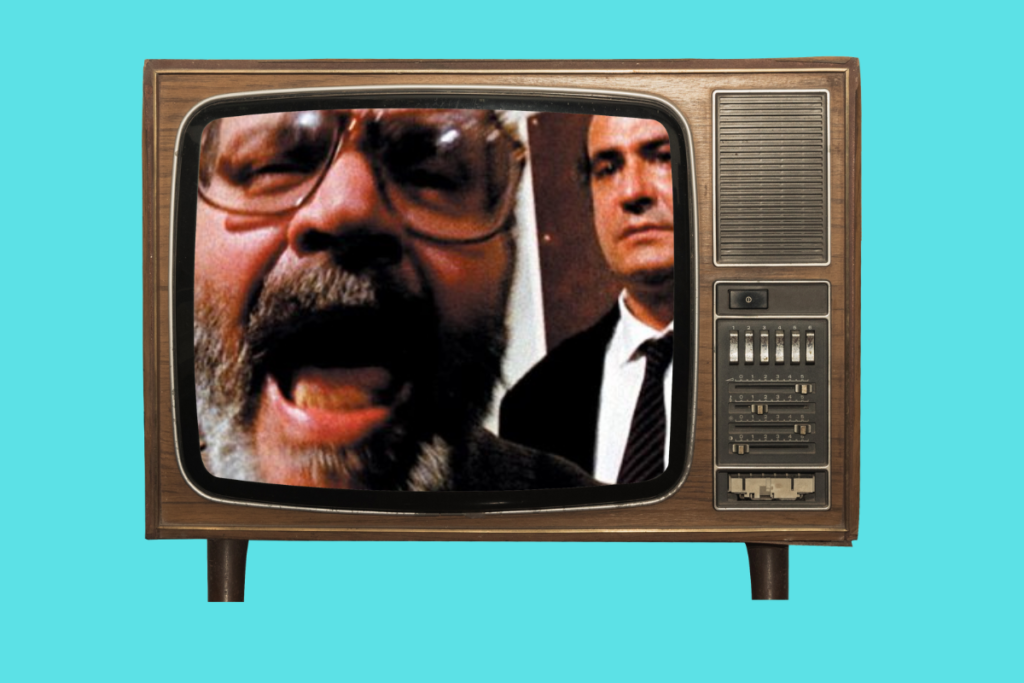
Looking back, New Nightmare is one of the earliest mainstream American examples of post-modern cinema. It openly questioned the relationship between filmmakers, audiences and the stories they create. Interestingly, Italian horror maestro Lucio Fulci wasn’t entirely impressed. Fulci claimed that New Nightmare borrowed heavily from the ideas he had already explored in A Cat in the Brain (1990), a bizarre and deeply self-referential film in which Fulci plays himself while becoming haunted by the violence from his own movies. Whether you agree with him or not, it’s fascinating to see two horror masters exploring similar ideas years before “meta” became a buzzword.
What Exactly Is Post-Modern Cinema?
At its simplest, post-modern cinema is filmmaking that acknowledges the fact that it’s a movie. Traditional cinema wants you to disappear into the illusion. Post-modern cinema likes to tap you on the shoulder and remind you that you’re watching something constructed.
These films are packed with references, homages, irony and self-awareness. They borrow from earlier movies, remix genres and encourage audiences to recognise familiar storytelling conventions. Rather than hiding their influences, they proudly display them.
What I find fascinating is that post-modern films often turn viewers into active participants. You’re not simply following a story anymore. You’re spotting references, recognising genre clichés and understanding how filmmakers are playing with your expectations. It’s cinema that rewards film fans for knowing their movie history.
How New Nightmare Led Directly to Scream
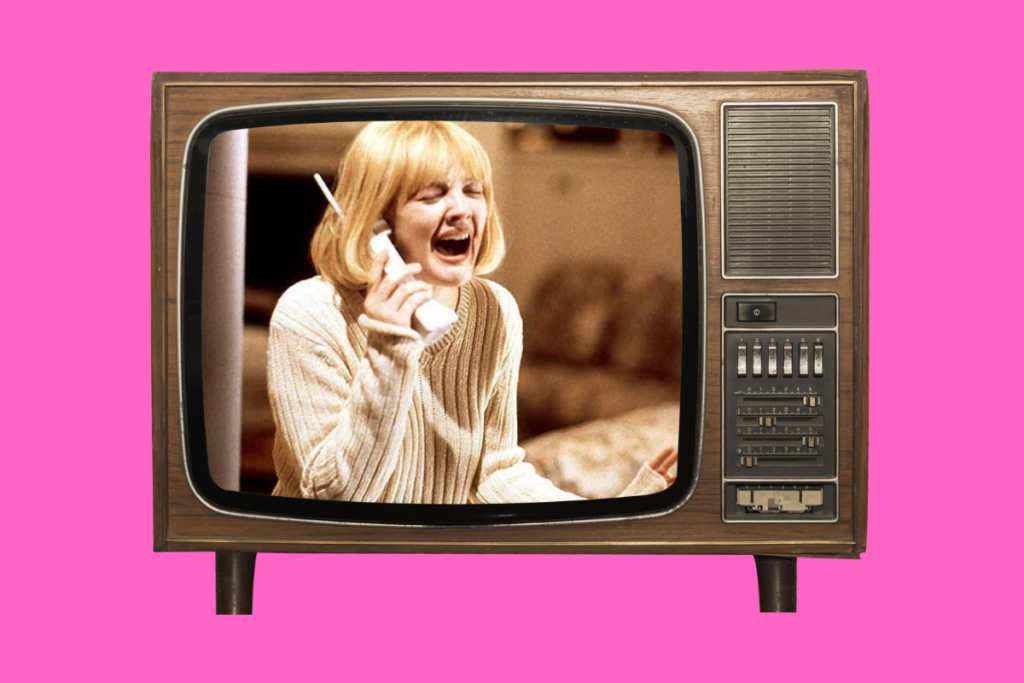
While New Nightmare planted the seeds, Scream (1996) brought post-modern horror into the mainstream. In many ways, I see Scream as a direct evolution of the ideas Craven had already explored two years earlier.
By the mid-1990s, slasher films were running out of steam. Audiences knew the rules. Instead of ignoring that fact, Scream built an entire film around it. Characters openly discuss horror movie clichés, reference famous slashers and understand the conventions governing their own world.
The genius of Scream is that it works on two levels simultaneously. It’s a genuinely effective horror film, but it’s also a commentary on horror films themselves. The self-awareness never overwhelms the story because Craven understood something many imitators missed: cleverness only works when audiences still care about the characters. That’s why Scream revitalised the genre and inspired countless imitators over the following decade.
The Matrix, Being John Malkovich and Reality Itself
Post-modern cinema isn’t limited to horror, of course. By the late 1990s it was appearing everywhere, often in films that questioned the very nature of reality.
The Matrix (1999) may look like a science-fiction action film on the surface, but beneath the leather coats and bullet-time effects lies a deeply post-modern work. It combines philosophy, cyberpunk literature, anime, Hong Kong action cinema and religious symbolism into one giant cultural remix. Even its central question—what if reality itself is artificial?—feels quintessentially post-modern.
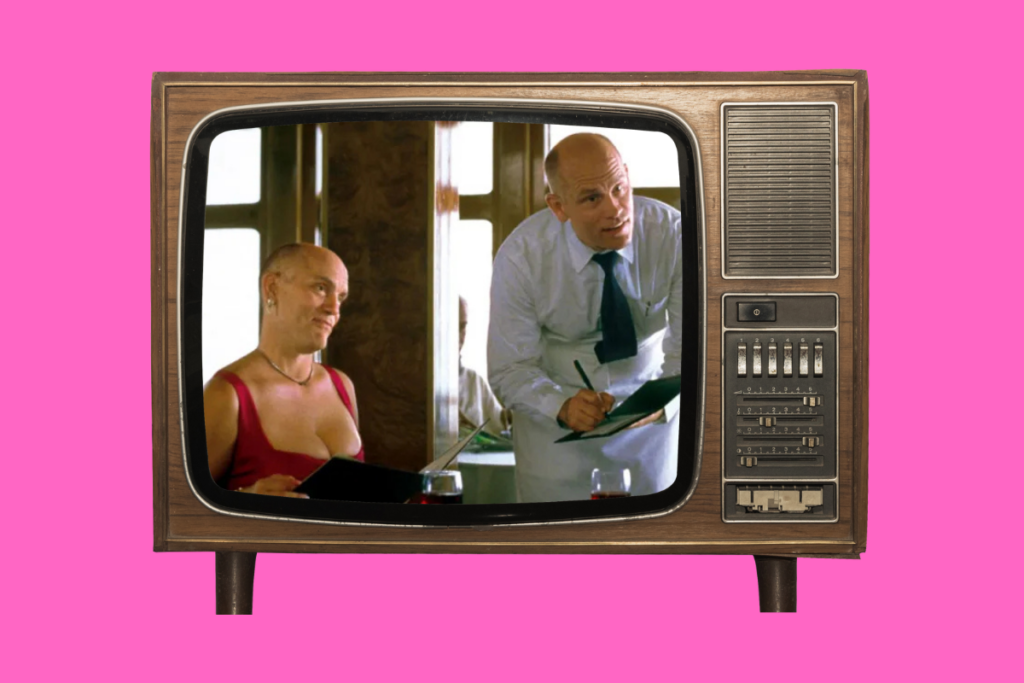
Then there’s Being John Malkovich (1999), one of the strangest and most brilliant films of the decade. The idea of a portal leading directly into the mind of actor John Malkovich sounds absurd enough, but the film constantly explores questions of identity, celebrity and performance. It feels like a movie about movies, fame and storytelling all rolled into one wonderfully bizarre package.
Why Quentin Tarantino and David Lynch Matter
No discussion of post-modern cinema would be complete without mentioning Quentin Tarantino and David Lynch. Although they approach filmmaking very differently, both have become defining post-modern directors.
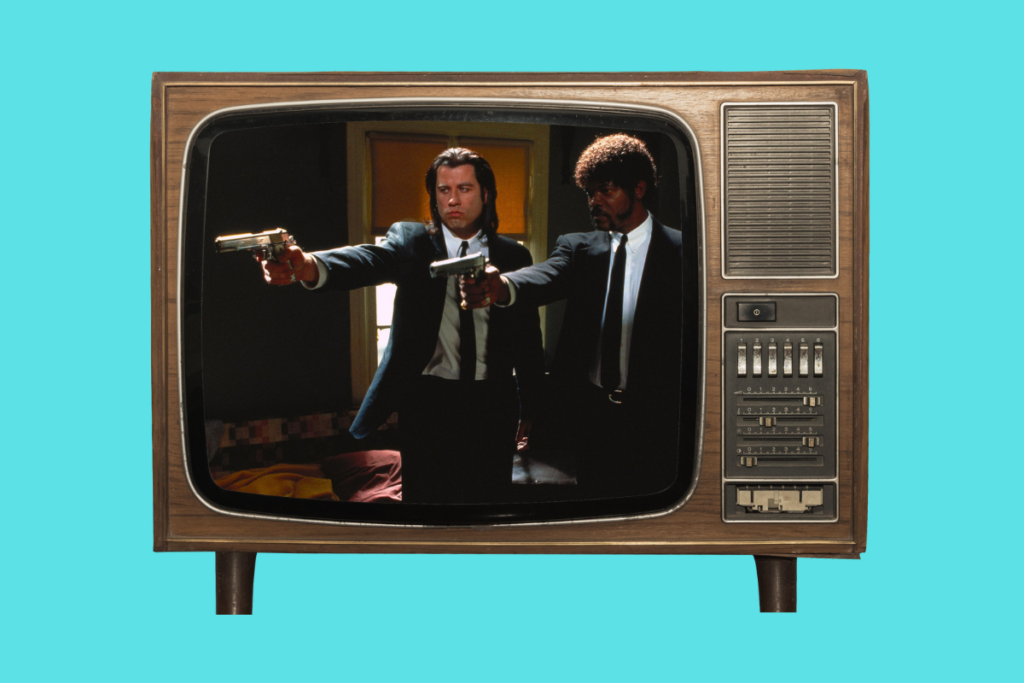
Tarantino’s films openly celebrate cinema history. Pulp Fiction feels like a giant collage assembled from crime films, exploitation cinema, television shows and pop culture references. He doesn’t hide his influences; he turns them into part of the entertainment. Watching a Tarantino film often feels like being invited into a conversation about movies themselves.
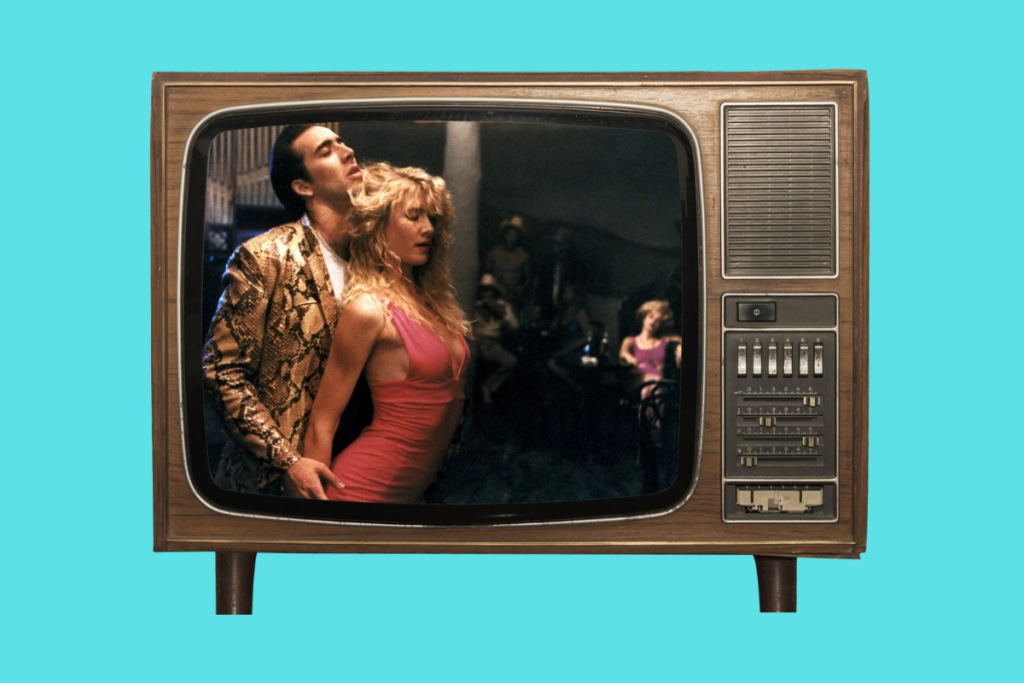
David Lynch, meanwhile, takes a more surreal route. Films such as Wild at Heart, Lost Highway and Mulholland Drive blur the boundaries between dreams, memories, fiction and reality. Lynch’s work often feels like it’s dismantling traditional storytelling while simultaneously celebrating the mythology of cinema. His films rarely provide easy answers, which is part of what makes them so endlessly fascinating.
Why Post-Modern Cinema Still Matters
What I’ve always loved about the best post-modern films is that they aren’t cynical. Beneath all the references, self-awareness and genre deconstruction, there’s usually a genuine affection for cinema itself.
New Nightmare loves horror. Scream loves slasher movies. The Matrix adores science fiction. Being John Malkovich celebrates storytelling while questioning it. Even when these films pull genres apart, they’re doing so because they understand and appreciate them.
Perhaps that’s why post-modern cinema remains so influential today. Modern audiences are incredibly media literate. We’ve grown up surrounded by films, television, streaming services, social media and endless pop culture references. We understand genre conventions instinctively.
The best post-modern films recognise that reality and turn it into part of the experience. They remind us that cinema is constantly evolving, constantly borrowing from itself and constantly finding new ways to tell old stories.
And honestly, for film obsessives like me, that’s part of the fun.
Postmodern Hollywood – M. Keith Booker
One of the most accessible introductions to post-modern themes in mainstream cinema.
Cinema Speculation – Quentin Tarantino
Essential reading for understanding how films influence filmmakers.
Lynch on Lynch – Edited by Chris Rodley
Fascinating conversations with David Lynch about his films and creative process.
Rebels on the Backlot – Sharon Waxman
Explores the filmmakers who reshaped Hollywood during the 1990s.
Nightmare Movies – Kim Newman
Brilliant coverage of horror cinema and the evolution of self-aware horror.
Easy Riders, Raging Bulls – Peter Biskind
Important context for understanding the filmmakers who paved the way for post-modern cinema.