
Poliziotteschi Films
Poliziotteschi Films Explained – Italy’s Grittiest Crime Thrillers
How I Discovered Poliziotteschi Cinema
My introduction to poliziotteschi films came through the same rabbit hole that led me into Italian horror and exploitation cinema in the first place: Dario Argento.
Once I’d discovered Argento’s gialli and horror films, I quickly realised there was an entire parallel universe of Italian genre cinema that most people around me had never heard of. Around the same time, my mate Aarron was already knee-deep in these movies. He was constantly recommending titles, lending me VHS tapes and pointing me towards films that I’d never have found on my own.
Before long, I was completely hooked.
Poliziotteschi films were loud, violent, cynical and utterly addictive. They took the ingredients of American crime thrillers and transformed them into something uniquely Italian. The result was a genre packed with corruption, organised crime, vigilante justice and some of the most spectacular car chases ever committed to film.
What Are Poliziotteschi Films?
The word “poliziotteschi” roughly translates as “police films”, but that description barely scratches the surface.
These movies exploded throughout the 1970s during Italy’s turbulent Years of Lead, a period marked by terrorism, political unrest and growing distrust of authority. Unsurprisingly, the films reflected that reality. Cities felt dangerous, institutions seemed broken and the line between police officers and criminals often became blurred.
Unlike many American cop movies, poliziotteschi rarely offered straightforward heroes. The cops were often angry, exhausted and willing to bend the rules to achieve results. Criminals were ruthless, politicians were corrupt and justice was rarely clean.
That moral ambiguity is one of the reasons the genre still feels so fresh today.
The Directors Who Defined the Genre
If there are four filmmakers who define poliziotteschi cinema, they are Fernando Di Leo, Enzo G. Castellari, Umberto Lenzi and Sergio Martino.
Fernando Di Leo brought intelligence and realism to the genre. Films like Caliber 9, The Italian Connection and High Crime remain among the finest crime thrillers Italy ever produced. His films were violent, but they were also sharply observed studies of organised crime and urban decay.
Enzo G. Castellari added pure cinematic energy. Whether it was Street Law, The Big Racket or The Tough Ones, Castellari understood action better than almost anyone working in Europe during the 1970s. His chase scenes remain breathtaking today.
Umberto Lenzi pushed the genre into darker and more exploitative territory with films such as Violent Naples, Rome Armed to the Teeth and Almost Human. His movies feel genuinely dangerous, fuelled by anger and social unrest.
Sergio Martino brought his own stylish approach to the genre, combining suspense, action and strong visual storytelling in films like The Violent Professionals and The Suspicious Death of a Minor.
Together, these directors helped create one of the most exciting movements in European cinema.

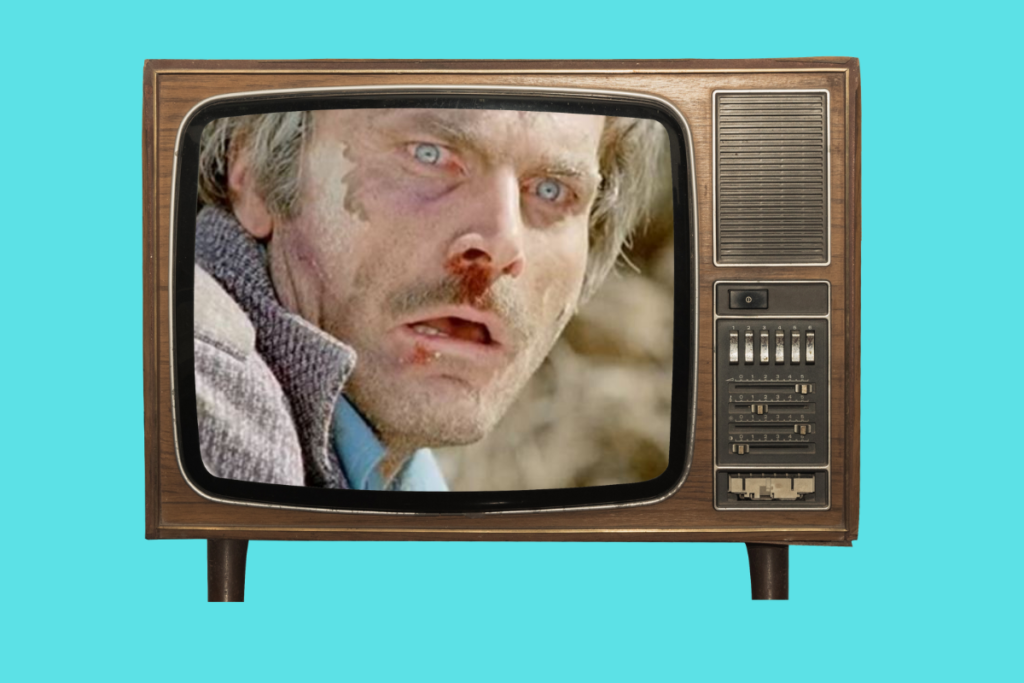
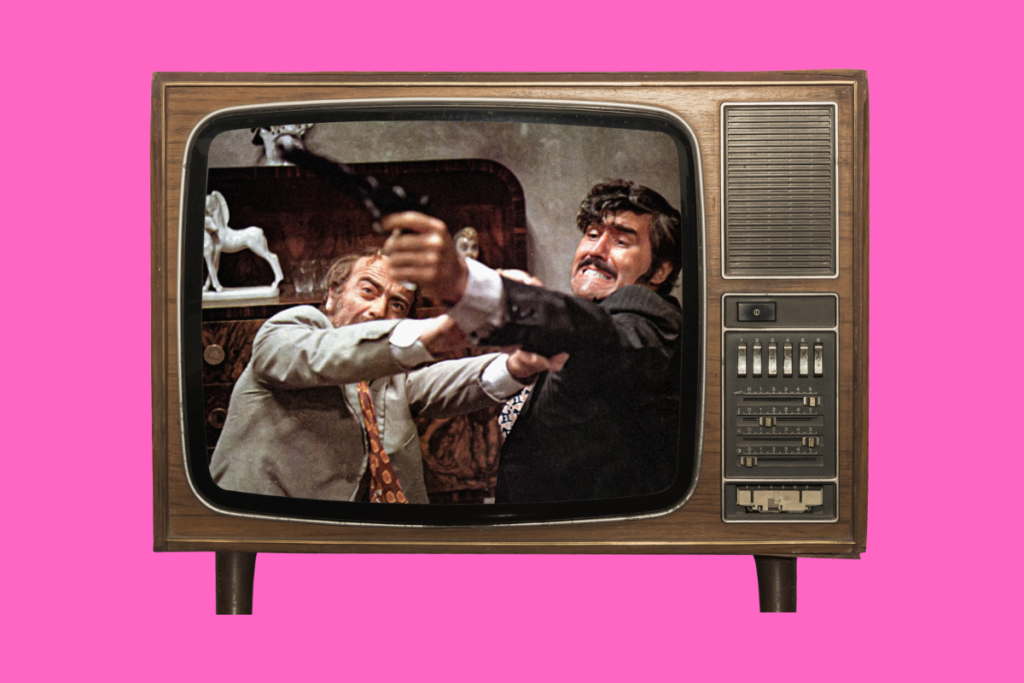
The Stars of Eurocrime
Poliziotteschi also created its own icons.
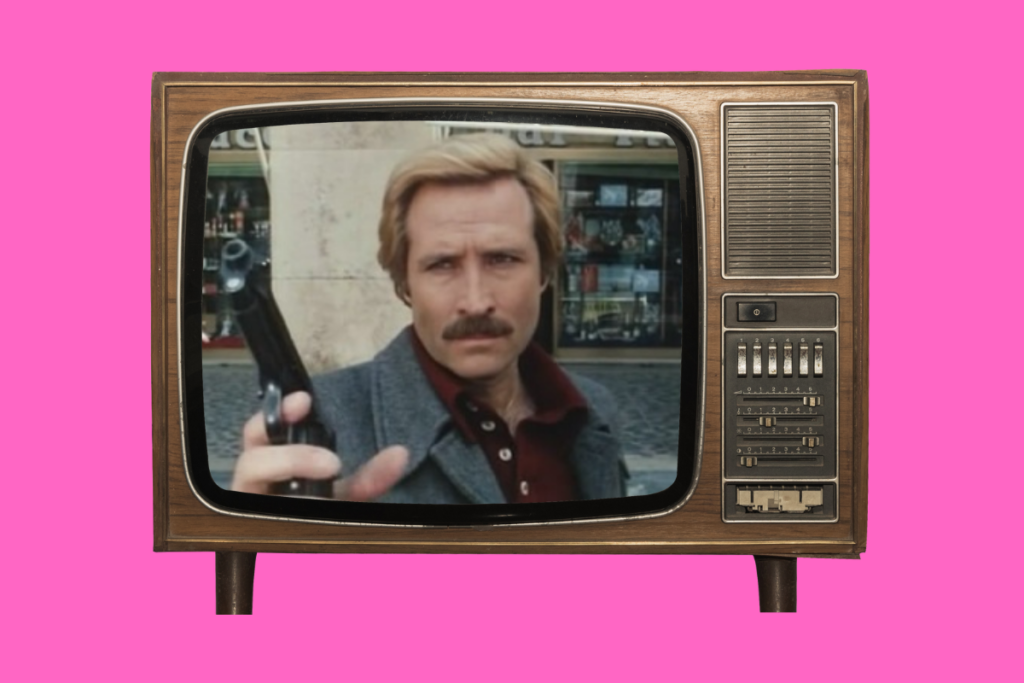
No actor became more closely associated with the genre than Maurizio Merli. With his trademark moustache and permanently furious expression, Merli embodied the hard-nosed Italian cop. Films such as Violent Naples and Rome Armed to the Teeth made him one of the defining faces of Eurocrime cinema.
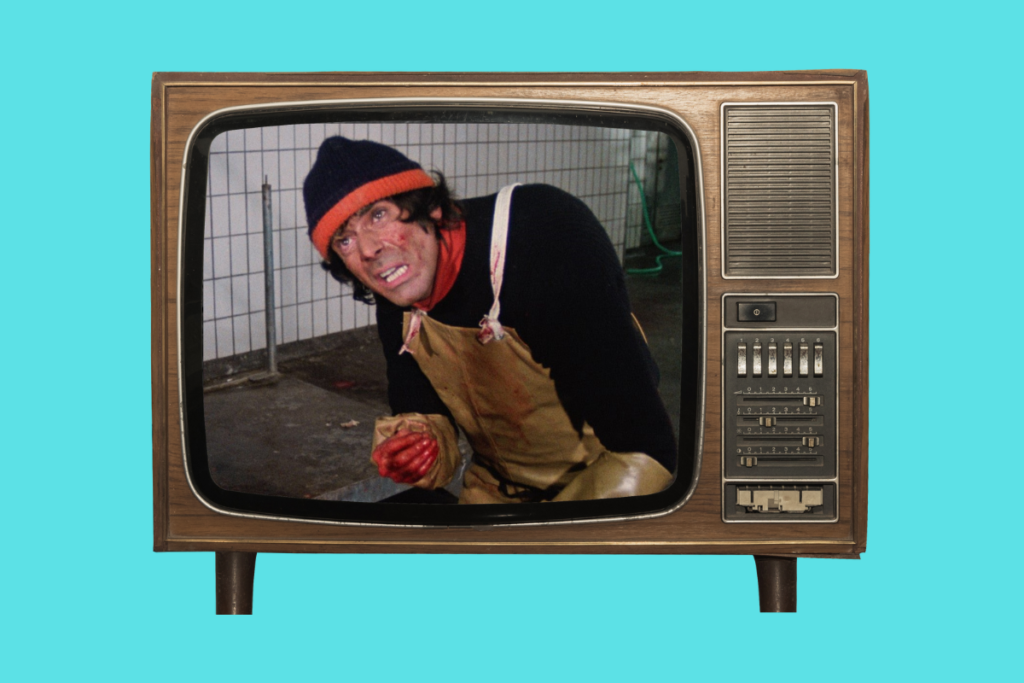
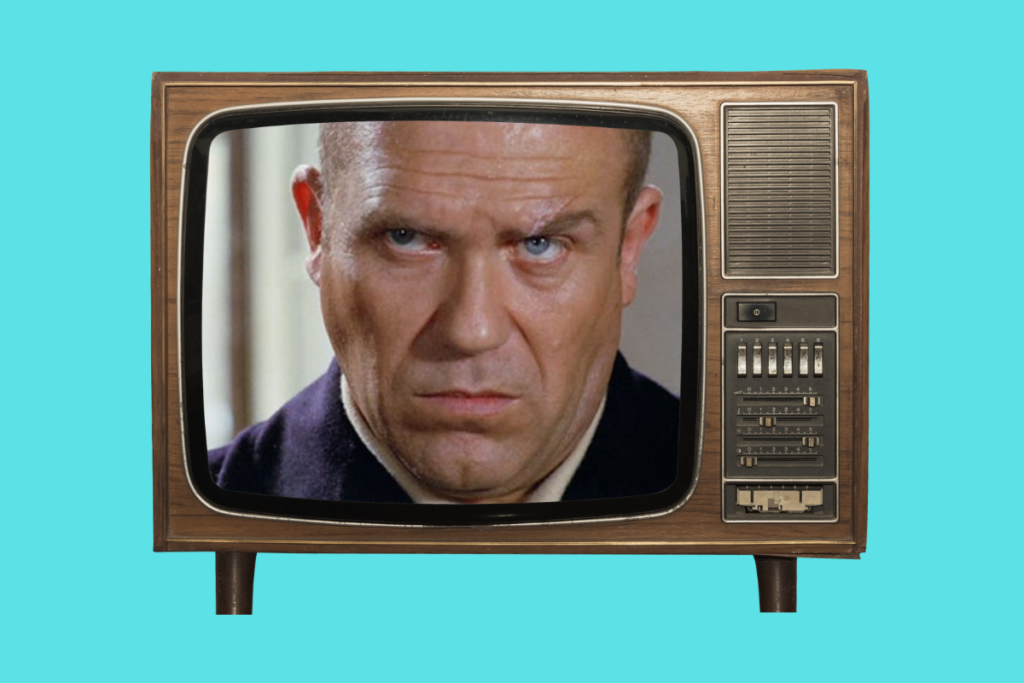
The genre also helped bolster the careers of actors already familiar to fans of spaghetti westerns. Franco Nero brought charisma and intensity to films like Street Law, while Tomas Milian became one of the genre’s most versatile performers, moving effortlessly between criminals, antiheroes and comic creations.
Alongside actors such as Luc Merenda, Fabio Testi and Henry Silva, they helped give poliziotteschi its distinctive personality.
Why Poliziotteschi Films Still Matter
One thing that struck me immediately about these films was how modern they felt.
The themes remain relevant. Political corruption, organised crime, social unrest and public frustration with institutions are hardly problems confined to 1970s Italy. These films captured a sense of societal anxiety that still resonates today.
You can also see their influence everywhere. Quentin Tarantino has frequently acknowledged his love of Italian genre cinema. Nicolas Winding Refn draws heavily from their visual style and atmosphere. Even modern crime dramas and television series owe a debt to the gritty realism and moral complexity that poliziotteschi films perfected decades ago.
They may have been exploitation movies, but many were also surprisingly sophisticated works of cinema.
Why Every Crime Fan Should Watch Poliziotteschi
For me, poliziotteschi became another gateway into world cinema.
What began with Argento, a handful of VHS tapes and conversations with Aarron opened the door to a genre that was fearless, inventive and endlessly entertaining. These films combined action, politics, social commentary and pure cinematic style in a way few other crime movies ever managed.
If you’ve never explored poliziotteschi before, start with Street Law, High Crime, Violent Naples, The Tough Ones, Caliber 9 and The Italian Connection. Chances are you’ll quickly find yourself diving much deeper into Italy’s remarkable world of Eurocrime cinema.
Trust me, once these films get under your skin, they’re very difficult to shake.
Recommended Books and Documentaries on Poliziotteschi Cinema
Eurocrime! The Italian Cop and Gangster Films That Ruled the ’70s – Mike Malloy
Italian Crime Filmography, 1968–1980 – Roberto Curti
Blood and Black Lace – Adrian Luther Smith
Italian Cult Cinema – Stefano Baschiera & Russ Hunter