
Mockumentaries
The Mockumentary Movie – When Fake Documentaries Became Comedy Gold
How I Discovered Mockumentary Movies
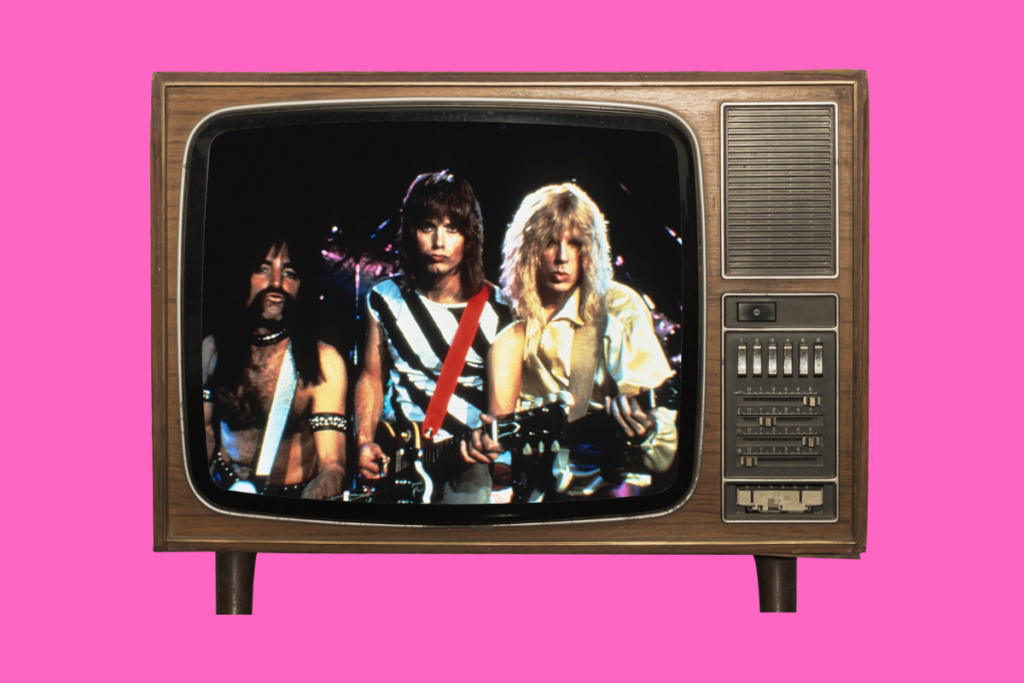
The first mockumentary I ever saw was This Is Spinal Tap (1984), and honestly, I wasn’t entirely sure what I was watching. Part of me knew it had to be fiction, yet everything about it felt so authentic that I found myself questioning whether the band actually existed. That’s the genius of great mockumentary movies. They borrow the language of documentaries – interviews, handheld cameras, awkward pauses and observational filmmaking – and use it to create comedy that feels surprisingly real. Once I discovered This Is Spinal Tap, I became fascinated by how the mockumentary format could make even the most ridiculous situations feel completely believable.
This Is Spinal Tap and the Birth of the Modern Mockumentary
If there’s a single film that defines the mockumentary genre, it’s This Is Spinal Tap. Directed by Rob Reiner and starring Christopher Guest, Michael McKean and Harry Shearer, the film follows a fading British heavy metal band on a disastrous American tour. What makes it so funny isn’t the absurdity itself, but how seriously everyone treats the situation. The band members genuinely believe they’re rock legends, even as everything falls apart around them. Famous moments like the amplifier that “goes to eleven” have become part of comedy history, but the film’s real achievement was proving that documentary realism could make comedy even funnier. It laid the foundations for almost every mockumentary that followed.
Christopher Guest and the Evolution of the Genre
While Spinal Tap started the revolution, Christopher Guest became the filmmaker who perfected it. Through films such as Waiting for Guffman (1996), Best in Show (2000), A Mighty Wind (2003) and For Your Consideration (2006), Guest transformed the mockumentary into one of cinema’s most distinctive comedy forms. What I’ve always loved about his work is that he never mocks his characters cruelly. Instead, he celebrates their passions, obsessions and eccentricities. Whether he’s exploring amateur theatre groups, dog shows or folk musicians, Guest finds humour in human behaviour rather than cheap punchlines. His improvisational approach also gave these films a naturalism that many traditional comedies struggle to achieve.
Beyond Christopher Guest – Mockumentaries Get Darker
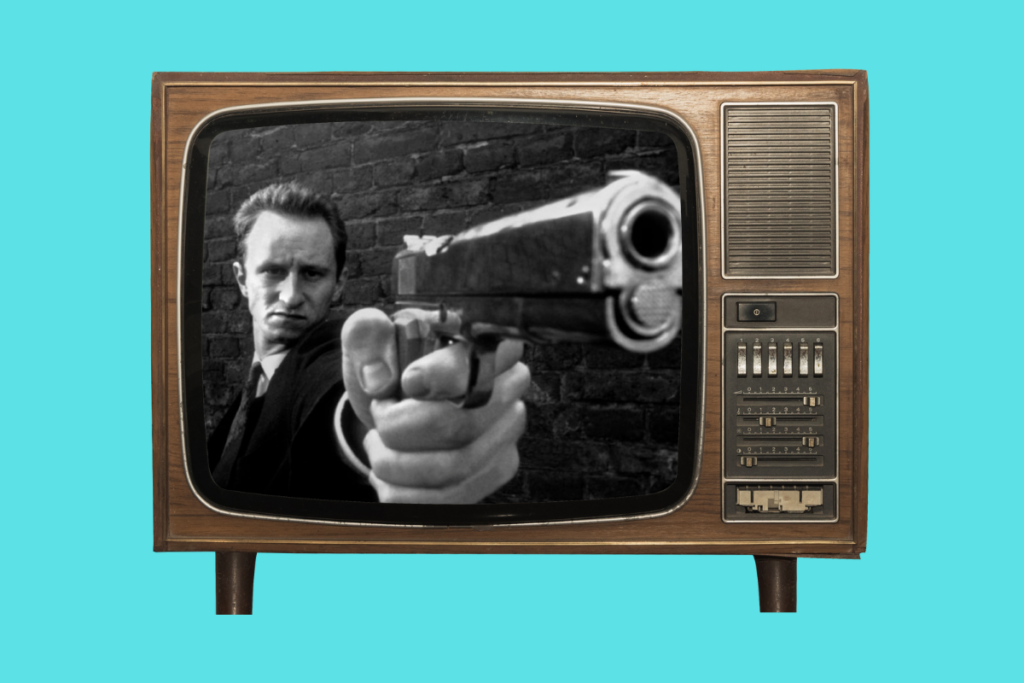
While Christopher Guest perfected the comedic side of the mockumentary, other filmmakers realised the format could be used for something far more unsettling. One of the most controversial examples is the Belgian film Man Bites Dog (1992), a pitch-black satire that follows a documentary crew filming the daily life of a charismatic serial killer.
What begins as an observational documentary slowly becomes something far more disturbing. As the film progresses, the filmmakers themselves become increasingly complicit in the violence they’re documenting. The line between observer and participant completely collapses.

Man Bites Dog and Mockumentary Controversy
At the time, Man Bites Dog caused significant controversy because of its graphic violence, dark humour and willingness to challenge audience morality. Many viewers were shocked by its content, while others praised it as one of the boldest uses of the mockumentary format ever attempted.
What fascinates me about the film is how it exposes the voyeuristic nature of both documentary filmmaking and audience consumption. It’s funny, uncomfortable, shocking and thought-provoking all at once. More importantly, it proved that mockumentaries didn’t have to be comedies. They could also be biting social criticism.
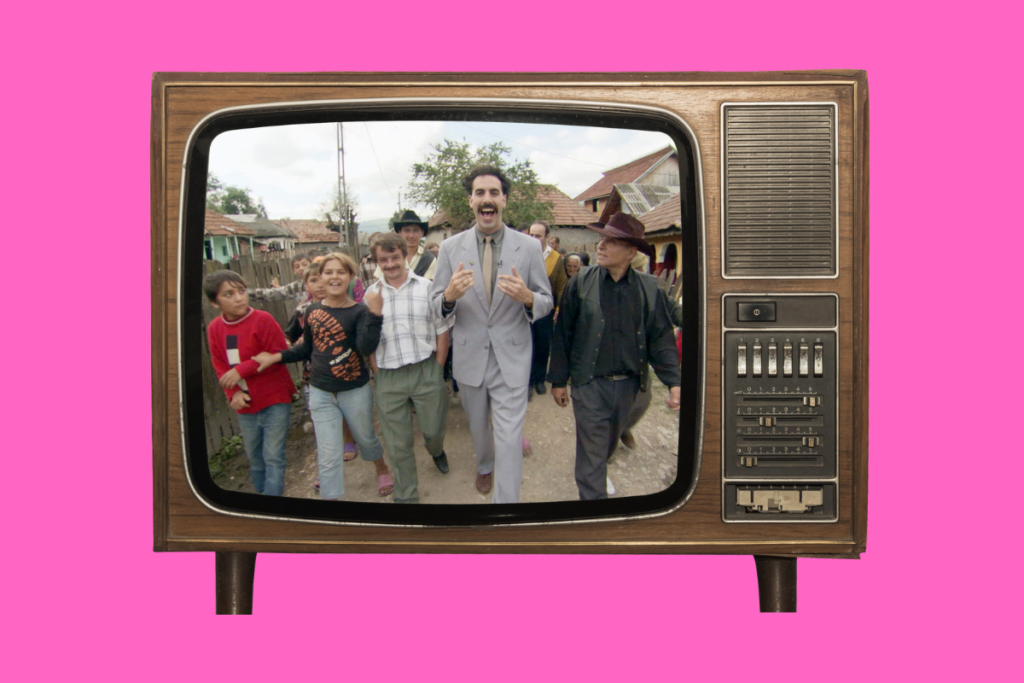
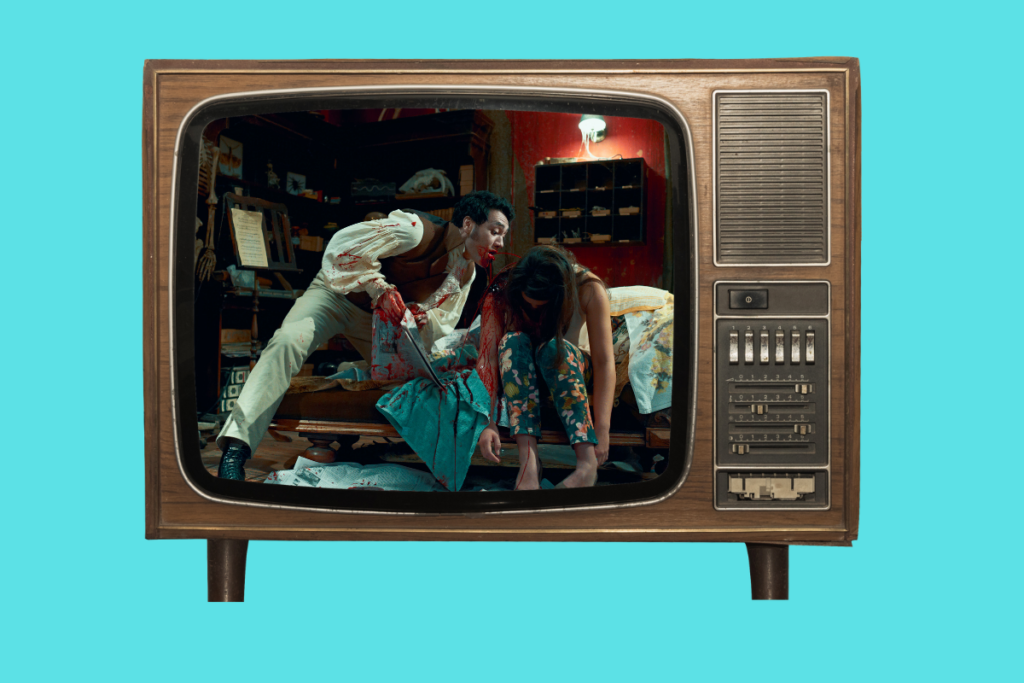
The genre would later continue evolving through films like Borat (2006), which blurred the line between fiction and reality for satirical purposes, and What We Do in the Shadows (2014), which brilliantly applied the mockumentary style to vampire mythology. Together, these films demonstrated just how flexible the format had become.
Why Mockumentary Movies Still Work Today
What continues to make mockumentary movies so effective is their ability to reveal the gap between how people see themselves and how they actually behave. Unlike traditional comedies that rely heavily on jokes and punchlines, mockumentaries often generate laughter through awkwardness, honesty and social discomfort. They feel believable enough to draw us in while remaining absurd enough to keep us laughing. From This Is Spinal Tap to What We Do in the Shadows, the genre has repeatedly shown that sometimes the funniest stories are the ones that feel almost real. And honestly, that’s why I still find myself returning to mockumentaries again and again.
Best in Show: The Films of Christopher Guest and Company – Kathryn Borel
One of the few books dedicated to Christopher Guest’s unique style of improvised comedy. It explores This Is Spinal Tap, Waiting for Guffman, Best in Show and A Mighty Wind, while examining how Guest and his collaborators helped define the modern mockumentary.
A Fine Line Between Stupid and Clever: The Story of Spinal Tap – Rob Reiner, Christopher Guest, Michael McKean & Harry Shearer
A fascinating behind-the-scenes look at the making of This Is Spinal Tap. Packed with stories, photographs and interviews, it reveals how one of the most influential comedy films ever made came together.
The Comic Imagination of Christopher Guest – Jamie S. Rich
A readable exploration of Guest’s career and creative process. It looks at improvisation, character development and the evolution of the mockumentary format through his work.
Borat: Cultural Learnings of America for Make Benefit Glorious Nation of Kazakhstan – Sacha Baron Cohen
Part companion piece, part extension of the film itself, this offers a fun insight into how Cohen developed one of the most daring mockumentary characters ever created.