Marlon Brando
Marlon Brando: The Actor Who Changed Cinema Forever
How Marlon Brando Revolutionised Screen Acting
There are movie stars, and then there is Marlon Brando. Some actors become famous because they look good on screen. Others become icons because of their charisma. Brando, however, did something far more important: he changed the language of film acting itself. The first time I truly appreciated the significance of Marlon Brando wasn’t through The Godfather, but through hearing countless actors and filmmakers speak about him with almost religious reverence. Scorsese, De Niro, Pacino, Nicholson – they all pointed back to Brando. It quickly became obvious that this wasn’t simply another great actor. Marlon Brando was the actor who altered cinema forever, creating a style of performance that still influences actors more than seventy years later.
The Arrival of a New Kind of Actor
When Marlon Brando exploded onto cinema screens in the early 1950s, audiences genuinely had never seen anything like him before. At the time, Hollywood acting was often polished, theatrical and carefully controlled. Brando arrived and smashed all of those conventions. Drawing inspiration from Method Acting, Stella Adler and the Actors Studio, he brought an emotional realism that felt startlingly authentic. He mumbled, paused, exploded with emotion and often seemed completely unpredictable. More importantly, he felt real. Rather than performing characters, Brando inhabited them. Consequently, audiences became emotionally invested in a way they had rarely experienced before. Modern screen acting owes a huge debt to the revolution that Marlon Brando began.
Marlon Brando’s Greatest Performances
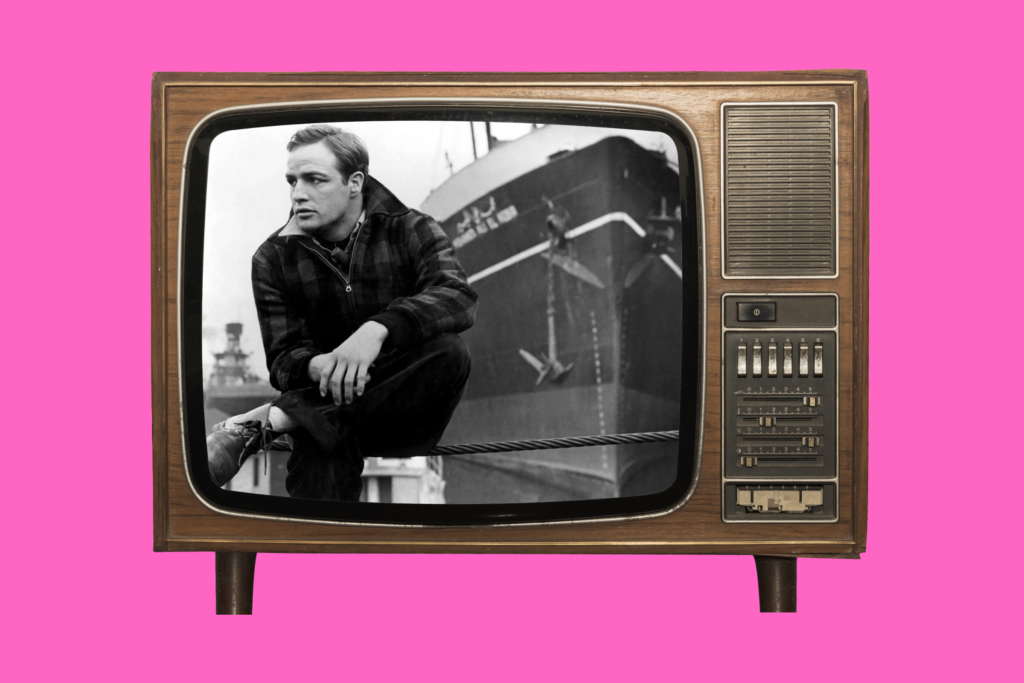
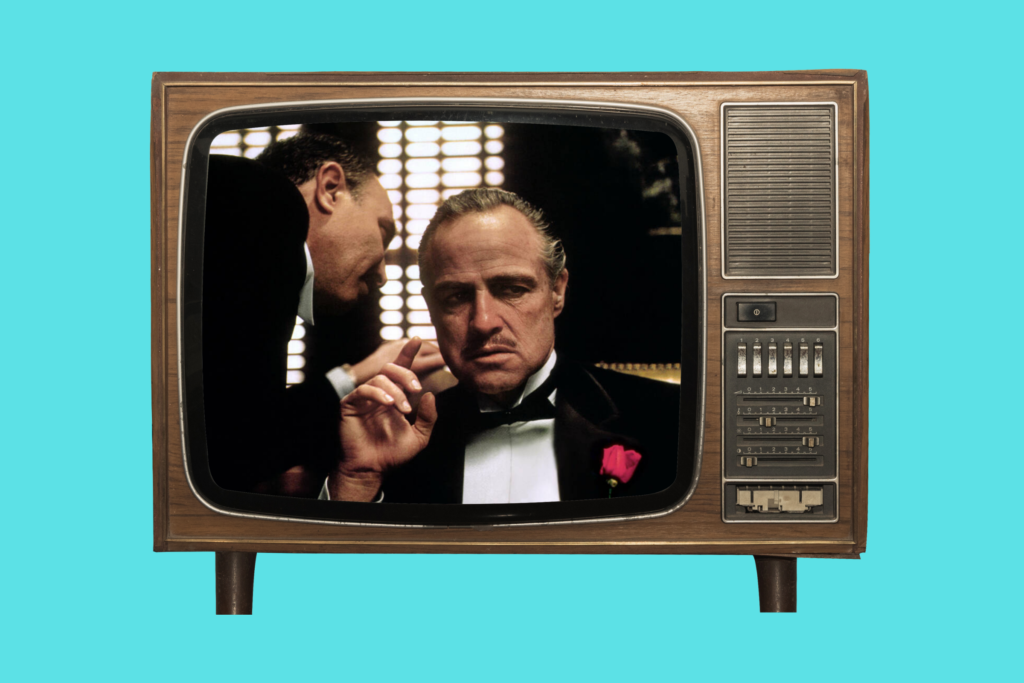
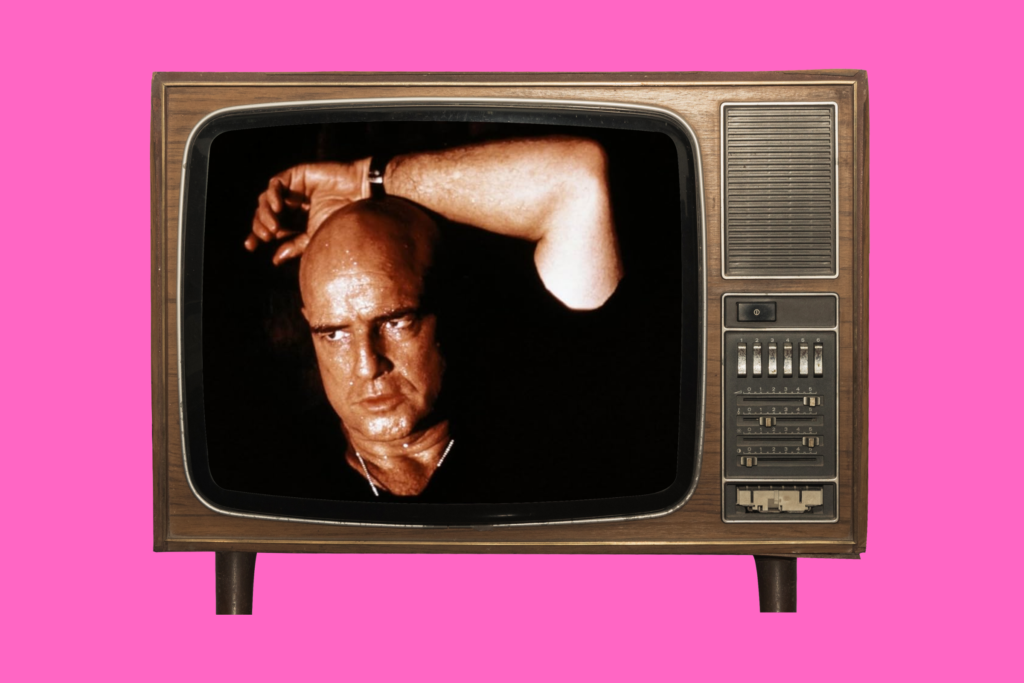
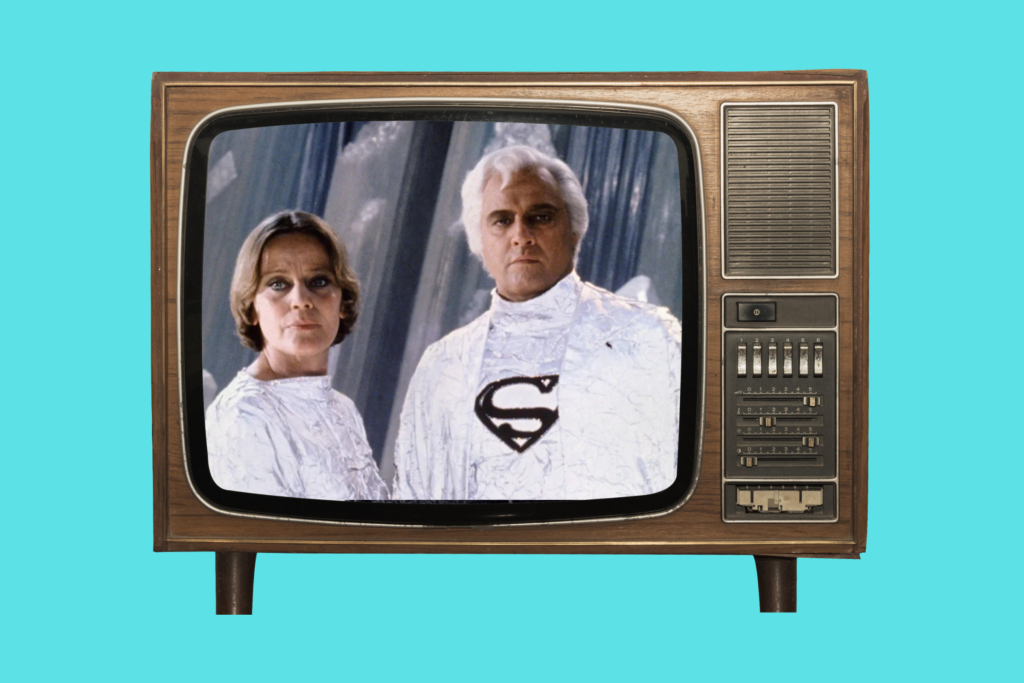
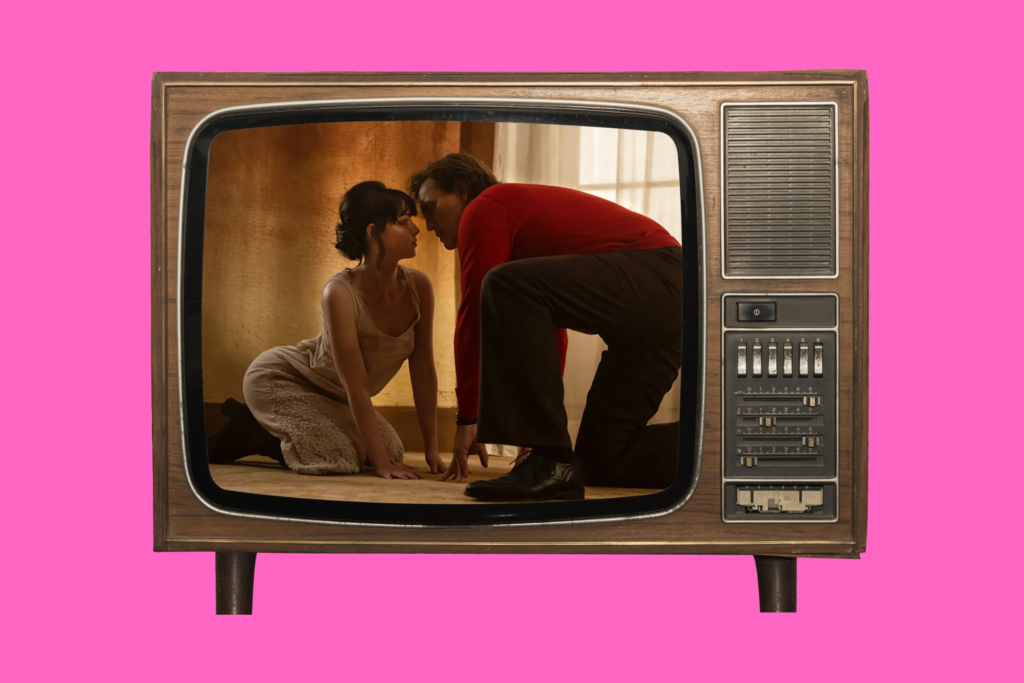
If you want to understand why Marlon Brando remains one of the greatest actors of all time, you only need to look at a handful of key performances. In A Streetcar Named Desire (1951), his portrayal of Stanley Kowalski feels raw, dangerous and emotionally exposed. A few years later, On the Waterfront (1954) delivered one of cinema’s most heartbreaking moments with the famous “I coulda been a contender” scene. Then, of course, came The Godfather (1972), where Brando reinvented himself as Don Vito Corleone and created one of the most iconic characters in film history. Finally, Apocalypse Now (1979) showcased a completely different side of his talent, transforming Colonel Kurtz into a haunting embodiment of madness. Each performance demonstrates a different aspect of Brando’s genius.
Method Acting and Emotional Truth
One of the reasons Marlon Brando had such an impact on cinema is that he helped popularise Method Acting for mainstream audiences. The Method encouraged performers to draw on personal experiences, inhabit characters fully and pursue emotional truth above theatrical technique. However, Brando’s genius wasn’t simply technical. What fascinates me is how instinctive he seemed. He understood human behaviour in a way that felt completely authentic on screen. His performances often appeared spontaneous, even when they were carefully crafted. As a result, actors such as Robert De Niro, Al Pacino, Daniel Day-Lewis, Sean Penn and Leonardo DiCaprio all owe something to the foundations Brando helped establish. His influence remains embedded in modern film acting.
Why Marlon Brando Remains So Fascinating
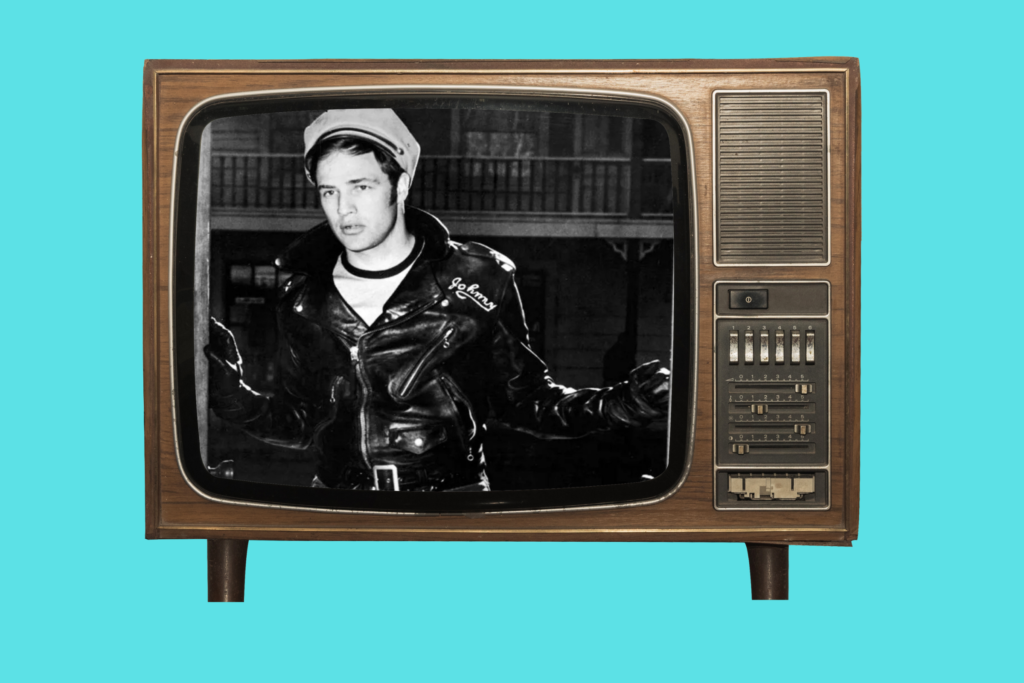
Part of what makes Marlon Brando endlessly compelling is that he never comfortably fit into Hollywood. He distrusted celebrity culture, challenged authority and frequently frustrated studio executives. At times he could be chaotic, self-destructive and difficult to work with. Yet those same qualities often fuelled his greatest performances. There is always a sense when watching Brando that anything might happen at any moment. That unpredictability became part of his legend. Whether he was leading a motorcycle gang in The Wild One, ruling a crime family in The Godfather or disappearing into darkness as Colonel Kurtz, Brando brought an electricity to the screen that few actors have ever matched.
Why Marlon Brando Still Matters Today
The legacy of Marlon Brando isn’t simply about awards, box-office success or iconic movie quotes. His lasting contribution was emotional truth. Before Brando, many actors performed for audiences. Brando made audiences feel as though they were watching real people think, struggle and suffer in real time. That shift changed cinema forever. Even today, actors are still chasing the authenticity he brought to the screen. That’s why Marlon Brando remains one of the most important figures in film history. He wasn’t merely a movie star. He was a revolutionary who permanently transformed the art of acting.
Recommended Books on Marlon Brando
Songs My Mother Taught Me — Marlon Brando
Brando’s own autobiography is funny, reflective, chaotic and surprisingly moving. It offers a fascinating glimpse into the mind of one of cinema’s greatest icons.
The Way It Was: Bringing Up Brando — George Englund
A warm, personal and often very funny portrait from one of Brando’s closest friends.
Somebody: The Reckless Life and Remarkable Career of Marlon Brando — Stefan Kanfer
An engaging account of Brando’s life, career and cultural impact.
Pictures at a Revolution — Mark Harris
While not exclusively about Brando, this brilliant book examines the changing face of Hollywood and the era Brando helped create.
The Method: How the Twentieth Century Learned to Act — Isaac Butler
An excellent exploration of Method Acting and the artistic movement that helped shape Brando’s career.